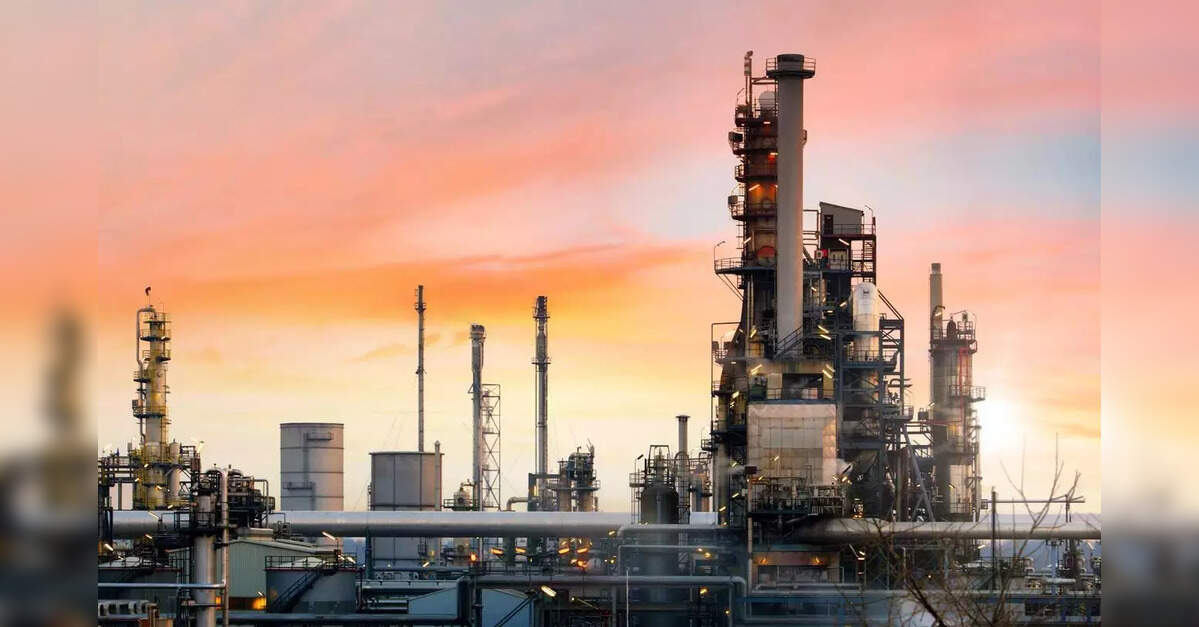
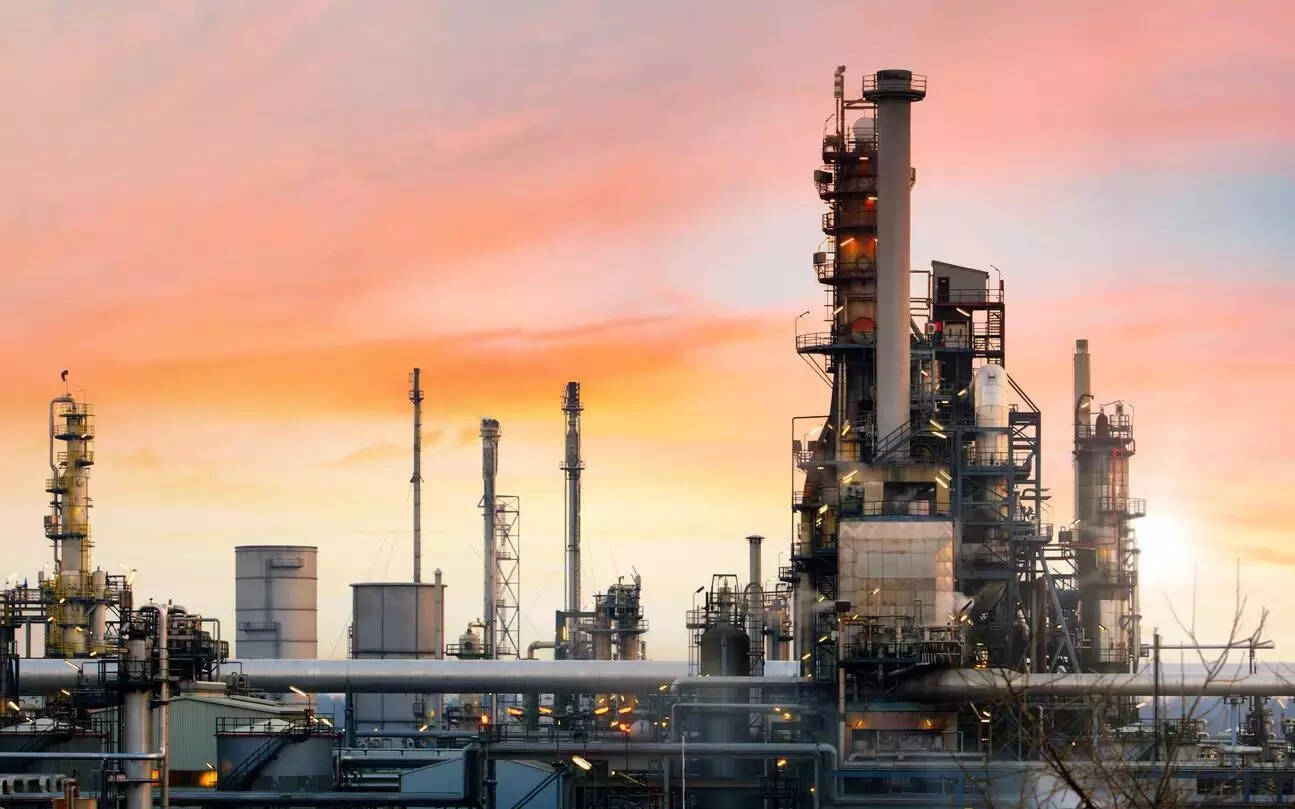
Bharat Petroleum Corporation Ltd (BPCL) and GAIL (India) Ltd solidified their partnership through two landmark agreements signed at the ongoing India Energy Week 2026, aimed at integrating cleaner energy into the Bina Refinery & Petrochemical Complex.
This collaboration marks a significant step toward reducing industrial emissions while bolstering India’s energy infrastructure through a more sustainable framework.
The centrepiece of this partnership is a long-term commitment to a clean fuel supply, with GAIL delivering approximately 1 MMSCMD of natural gas to the Bina refinery for 14 years from 2028 to 2042.
To facilitate this massive energy transfer, a new 100 km Vijaipur–Bina pipeline will be constructed, allowing the complex to transition away from carbon-intensive fuels and significantly lower its environmental footprint.
By linking the refinery directly to the National Gas Grid, the pact ensures a steady, uninterrupted energy flow, which is vital to the consistent production of essential fuels and petrochemicals used by millions across the country.
Beyond the physical supply of gas, the two energy giants have also introduced a specialised Natural Gas Parking & Lending Agreement to enhance operational agility.
This arrangement enables a smarter approach to gas management, optimising resource use and providing the flexibility needed to efficiently balance supply and demand fluctuations. Together, these initiatives ensure that the Bina complex remains both environmentally responsible and operationally resilient in a shifting global energy landscape.
The high-profile signing ceremony was led by Rahul Tandon, Business Head (Gas), BPCL, and Sumit Kishore, ED Marketing, GAIL.
Among the attendees at the signing were Sanjay Khanna, Chairman & Managing Director of BPCL, and Sandeep Kumar Gupta, Chairman & Managing Director of GAIL, along with senior directors from both firms.
Their presence underscored a shared high-level commitment to India’s “Green Grid” aspirations, proving that, through this synergy, BPCL and GAIL are not just fueling a refinery but driving a broader national mandate for sustainable industrial growth.