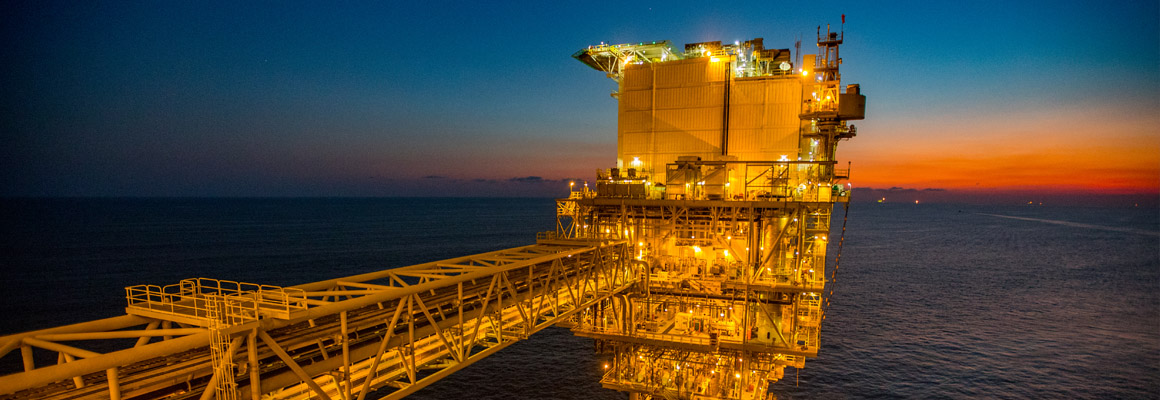
Shell Plc has made a significant strategic move, expanding its upstream portfolio through the acquisition of a 35% stake in two offshore oil blocks in Angola from Chevron Corp.’s subsidiary, Cabinda Gulf Oil Co. Ltd. This farm-in agreement marks Shell’s re-entry into Angola after a two-decade absence, signaling a renewed commitment to conventional oil and gas assets in a key African producing nation. While the financial terms of the deal remain undisclosed, the transaction, which has already received government approval and awaits final legal requirements, underscores Shell’s disciplined approach to investment, targeting opportunities that promise to sustain production well into the next decade. For investors, this move warrants close examination, as it reflects a major integrated energy company’s calculated bet on long-term oil demand and the enduring value of high-quality deepwater assets, even amidst a volatile global energy landscape.
Shell’s Strategic Return to a Proven Hydrocarbon Basin
Shell’s decision to re-engage with Angola’s upstream sector, particularly through acquiring a 35% interest in offshore blocks, is a powerful statement about the company’s long-term strategy. Having departed Angola roughly two decades ago, this return indicates a re-evaluation of the country’s hydrocarbon potential and its fit within Shell’s evolving portfolio. CEO Wael Sawan has emphasized a disciplined investment approach, and this deal aligns with that directive by focusing on established, albeit mature, basins with significant exploration upside. Angola, a prominent OPEC member, offers Shell an opportunity to bolster its global production profile and geographical diversification. The company explicitly stated that “new exploration, such as in Angola, is important to sustaining production into the 2030s,” highlighting a clear long-term vision that extends beyond short-term market cycles. This strategic re-entry also positions Shell to leverage its deepwater expertise in an area known for complex but rewarding geology, promising a robust addition to its global energy footprint.
Navigating Volatility: Shell’s Investment Amidst Shifting Oil Prices
Shell’s latest Angolan expansion comes at a fascinating juncture for the global oil market, demonstrating a long-term perspective that often contrasts with daily price swings. As of today, Brent Crude trades at $90.45, a notable figure given its recent trajectory. Just a few weeks ago, on March 31, Brent commanded $118.35 per barrel, meaning the benchmark saw a substantial decline of nearly 20% to $94.86 by April 20, before today’s slight rebound. This significant downward shift in crude prices might lead some investors to question the timing of upstream investments. However, Shell’s move suggests confidence in the long-term equilibrium of supply and demand, viewing current price volatility as a potential entry point for strategic acquisitions rather than a deterrent. For investors grappling with questions like “is WTI going up or down” or seeking predictions for “the price of oil per barrel by end of 2026,” Shell’s action provides a tangible example of a major player making moves based on a multi-year outlook, not just the daily fluctuations of $90.45 Brent or $87.32 WTI. This long-term commitment signals resilience to short-term market noise.
Forward-Looking Analysis: Aligning with Upcoming Market Catalysts
Shell’s Angolan investment, focused on sustaining production into the 2030s, inherently looks beyond immediate market signals and aligns with upcoming energy events that will shape the future landscape. The OPEC+ JMMC Meeting scheduled for April 21 is a critical near-term catalyst. As an OPEC member, Angola’s production policies are influenced by these decisions, which in turn could impact Shell’s operational strategies and profitability within its new blocks. Beyond OPEC, the regular EIA Weekly Petroleum Status Reports on April 22 and April 29, and the API Weekly Crude Inventory updates on April 28 and May 5, will provide ongoing insights into U.S. supply-demand dynamics, which invariably ripple through global markets. Furthermore, the EIA Short-Term Energy Outlook on May 2 will offer a comprehensive forecast that could either validate or challenge Shell’s long-term demand assumptions underpinning this Angolan expansion. For a project with such a long lead time, these macro-level data points are crucial for understanding the potential future operating environment and the ultimate return on investment, emphasizing the strategic foresight required for deepwater plays.
Investor Takeaways: What This Means for Your Portfolio
For investors monitoring the energy sector, Shell’s Angolan acquisition offers several key insights. Firstly, it reinforces the notion that major integrated energy companies, despite their commitments to energy transition, continue to see substantial value in conventional oil and gas assets, particularly those with long production horizons. This deal diversifies Shell’s upstream geographical footprint and adds to its deepwater portfolio, which typically commands higher margins due to the quality of crude and the scale of operations. Investors frequently ask about the future of oil prices, with questions such as “what do you predict the price of oil per barrel will be by end of 2026?” Shell’s move suggests a belief in sustained demand and profitable operating environments for the foreseeable future, even if prices fluctuate in the short term. The undisclosed financial terms make precise valuation challenging, but the strategic nature of the re-entry after two decades implies significant long-term potential. This investment signals Shell’s commitment to balancing its portfolio, maintaining a robust conventional energy base to fund its transition initiatives, and ensuring a resilient earnings stream for shareholders. Investors should view this as a strategic, long-term play that strengthens Shell’s position in a critical producing region, bolstering its overall upstream resilience and offering potential for sustained returns.