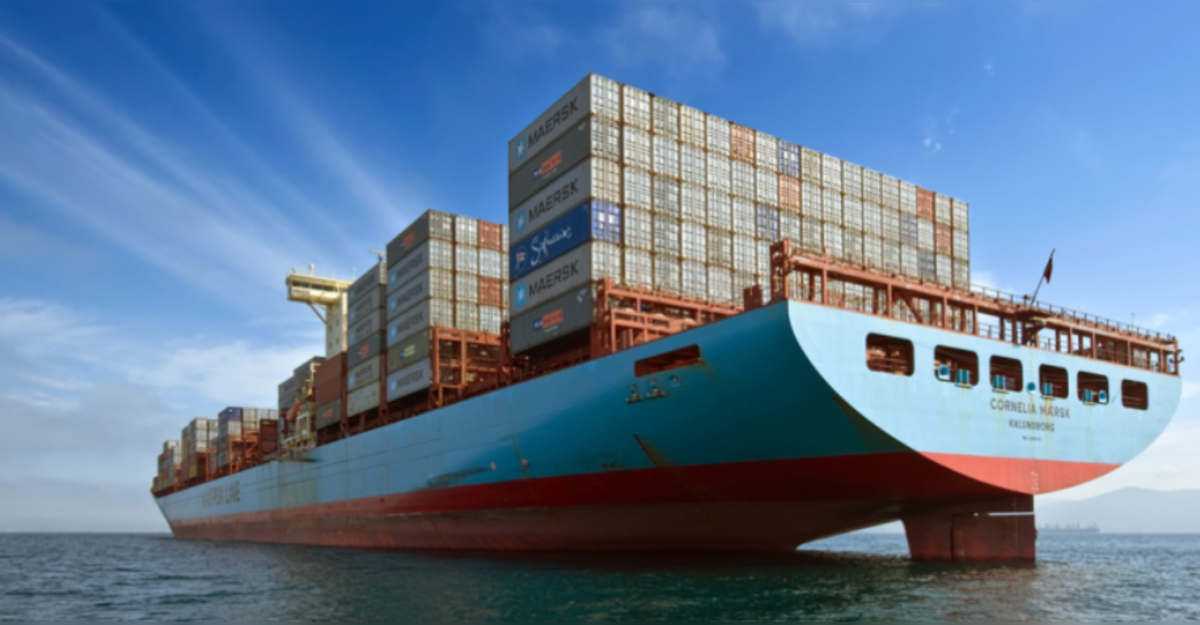
The intricate world of energy logistics and infrastructure is often shaped by seemingly niche policy decisions. Last year, a government’s move to refine its Shipbuilding Financial Assistance Scheme (SBFAS) introduced a significant ripple, excluding chemical tankers from a list of specialized vessels eligible for crucial state aid. This decision, while perhaps intended to streamline focus, has immediate and substantial ramifications for shipyards, contract values, and the broader investment landscape in maritime energy transport. For investors tracking the often-overlooked yet critical shipping sector, understanding these policy shifts is paramount to navigating risk and identifying opportunities.
Immediate Fallout: A $220 Million Deal in Jeopardy
The most immediate and concerning casualty of the Ministry’s decision centers around Swan Defence and Heavy Industries Ltd (SDHI). The shipyard had secured a Letter of Intent (LoI) on November 10, 2025, with European ship owner Rederiet Stenersen AS for the construction of six IMO Type II chemical tankers, each with an 18,000-ton capacity. This substantial deal, valued at approximately $220 million, now hangs precariously in the balance. The firms were awaiting the finalization of SBFAS guidelines, announced on December 26, 2025, before converting the LoI into a firm contract. The unexpected omission of chemical tankers from the eligibility list means SDHI stands to lose the substantial financial assistance that was likely factored into their competitive bid. The SBFAS offers significant incentives: 15 percent extra on contract values below ₹100 crore and 25 percent extra on values above ₹100 crore for specialized vessels. For a project of this scale, losing out on potentially tens of millions of dollars in subsidies makes the economics of the deal profoundly challenging, threatening the very viability of the contract and future orders in this segment for local yards.
Diverging Fortunes: Chemical Tankers vs. Other Specialized Vessels
While chemical tankers face a sudden headwind, the SBFAS explicitly supports a wide array of other critical energy-related vessels, painting a picture of diverging fortunes within the maritime sector. The list of eligible specialized vessels includes high-value assets such as LNG carriers, LPG carriers, ammonia carriers, Very Large Crude Carriers (VLCCs), Very Large Gas Carriers (VLGCs), Suezmax and Aframax tankers, Floating Production Storage and Offloading (FPSO) units, and Floating Storage and Offloading (FSO) units, among others. This selective support suggests a strategic focus on certain segments of the energy value chain, likely driven by long-term energy security goals and the global push towards cleaner fuels or larger-scale crude transport. Investors should note this distinction carefully. While chemical tanker newbuilds might struggle for financing, yards specializing in LNG carriers or FPSOs, for instance, are positioned to benefit significantly from the 15-25% financial assistance. This policy creates a clear competitive advantage for certain vessel types and the yards capable of building them, effectively redirecting capital and expertise towards specific maritime infrastructure projects.
Navigating Macro Headwinds Amidst Policy Shifts
This localized policy decision unfolds against a backdrop of considerable volatility in global energy markets. As of today, Brent Crude trades at $90.01, down 0.46% for the day, with WTI Crude at $86.38, down 1.19%. This represents a significant shift from just a few weeks ago, with Brent having plummeted from $118.35 on March 31st to $94.86 on April 20th – a staggering 19.8% decline. This kind of rapid price movement naturally leads investors to ask pressing questions, such as “Is WTI going up or down?” and “What do you predict the price of oil per barrel will be by end of 2026?” The current dip in crude prices could dampen enthusiasm for new, capital-intensive projects across the energy spectrum, including shipbuilding. While the SBFAS aims to mitigate some of this risk for supported vessel types, the exclusion of chemical tankers leaves that segment exposed to both policy-induced financial disadvantages and broader market uncertainty. For investors, this dual challenge necessitates a careful re-evaluation of exposure to the chemical shipping sector, particularly concerning newbuild orders and the long-term supply/demand dynamics for specialized chemical transport.
Forward Outlook: Strategic Implications for Energy Infrastructure Investors
Looking ahead, the long-term implications of this aid cut extend beyond individual shipyard contracts. Reduced local capacity for chemical tanker construction, coupled with the loss of significant state subsidies, could lead to increased reliance on foreign shipyards for these vessels. This might impact charter rates for chemical tankers over time if domestic supply is constrained, potentially benefiting existing fleet owners or those able to source newbuilds internationally. Investors should closely monitor upcoming energy events for broader market signals. The OPEC+ JMMC Meeting scheduled for April 21st, alongside the regular EIA Weekly Petroleum Status Reports and the Baker Hughes Rig Count, will offer critical insights into global supply, demand, and sentiment. Furthermore, the EIA Short-Term Energy Outlook on May 2nd will provide a refreshed perspective on future oil and gas price trajectories, directly influencing the appetite for all forms of energy infrastructure investment, including specialized vessels. The policy’s strategic focus on LNG carriers and FPSOs suggests a long-term commitment to gas and offshore production, segments that could see sustained growth and robust investment opportunities. For investors, the key will be to differentiate between the supported and unsupported maritime segments, aligning portfolios with the government’s strategic vision while carefully assessing the risks in areas like chemical tanker construction that now lack state backing.


