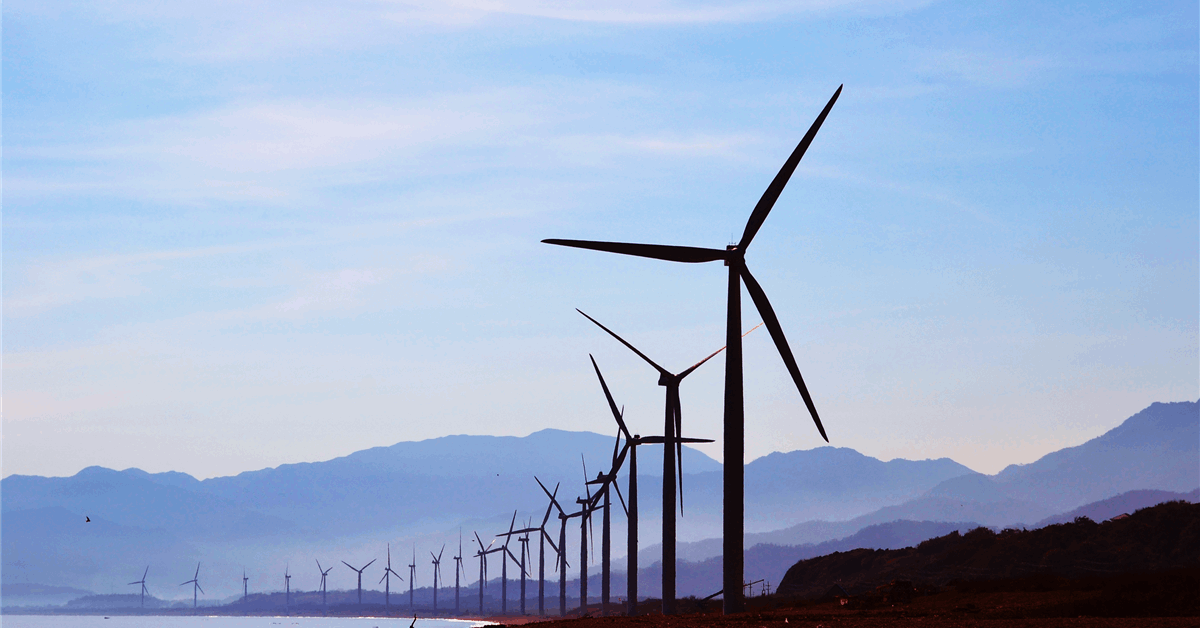
The Philippines’ ambitious energy expansion plan is sending ripples through global energy markets, signaling both opportunities and challenges for oil and gas investors. With over one gigawatt (GW) of new generation capacity brought online this year, primarily from renewable sources but notably including a new oil-run and a natural gas-fired plant, the Southeast Asian nation is grappling with rapidly escalating power demand. This dual-track approach—pursuing green targets while acknowledging immediate baseload needs—creates a complex landscape that savvy investors must navigate. Our proprietary data pipelines highlight the global market volatility that frames these domestic developments, offering critical context for evaluating investment prospects in this dynamic region.
Philippines’ Dual Energy Path: Growth & Transition
The Department of Energy (DOE) in the Philippines reported a significant surge in power capacity this year, with approximately 956 MW successfully connected to the national grids as of November. This substantial addition came from 14 new plants, underscoring the nation’s urgent requirement for increased power supply. While the majority of these—12 plants—were renewables-based, the inclusion of one oil-run and one natural gas-fired facility is a critical detail for oil and gas investors. It confirms that despite the strong push for green energy, traditional fossil fuels retain a vital role in meeting the immediate and growing energy demands of a developing economy. Furthermore, 160 MW of battery energy storage capacity was added across Luzon and Visayas, enhancing grid stability and supporting intermittent renewable generation. This momentum is part of a broader initiative launched by President Ferdinand Marcos Jr. in 2024 to commission 200 power generation projects within three years, a target that necessitates a diverse energy portfolio to ensure reliability and affordability.
Navigating Global Headwinds: Market Volatility and Local Impact
The strategic energy decisions made in the Philippines are not isolated from the broader global commodity landscape. As of today, Brent crude trades at $90.38, showing a marginal dip from its daily range of $93.87-$95.69. This current price point is a stark contrast to the market dynamics witnessed recently; our 14-day trend data reveals a significant drop from $118.35 on March 31st to $94.86 on April 20th, representing a nearly 20% decline. This volatility in crude prices directly impacts the operational economics of the newly commissioned oil-fired plant and, by extension, the natural gas plant, given the typical correlation between LNG and crude prices. For an import-reliant nation like the Philippines, such price swings can heavily influence energy costs for consumers and industries, making long-term supply contracts and diversified energy sources even more critical. Investors eyeing the region must factor in this inherent market instability, understanding how global supply and demand dynamics, as reflected in crude benchmarks, will shape the profitability and risk profile of local energy projects.
Policy Enforcement and Future Supply Dynamics: A DOE Crackdown
While the Philippines is aggressively pursuing its renewable energy targets—aiming for 35 percent renewables in its power mix by 2030 and 50 percent by 2040—the DOE is also demonstrating a firm hand in project execution. The recent termination of 84 renewable energy service contracts this year due to non-compliance with Green Energy Auction Program (GEAP) terms is a significant development. These terminated contracts represent an estimated 5,372.209 MW of potential capacity, a substantial figure previously factored into the country’s energy planning assumptions. This decisive action by the DOE, along with threats of blacklisting and forfeiture of performance bonds, signals a commitment to accountability and a more rigorous approach to project delivery. For investors, this means that while the policy framework supports renewables, only well-capitalized, technically sound projects with robust execution plans will be successful. The immediate consequence of this capacity shortfall could create an even greater short-to-medium term reliance on dispatchable power sources, potentially benefiting existing or new natural gas and even efficient oil-fired generation, as the DOE revisits its supply-demand scenarios.
Forward Outlook: Events, Demand, and Investor Questions
Looking ahead, several factors will influence the energy investment landscape in the Philippines and the broader global market. The DOE’s active monitoring of projects, including the Terra Solar Project’s Stage 1 which is expected to commence commercial operation in the first quarter of 2026, highlights specific milestones for future capacity. This 364 MW initial phase, part of a larger 2,500 MW solar capacity supported by battery storage, represents a tangible step towards the country’s renewable goals. However, the immediate energy outlook will also be shaped by global events. The upcoming OPEC+ JMMC Meeting on April 21st, for instance, could lead to significant shifts in global crude supply and, consequently, prices. Investors are keenly watching these developments, with common questions surfacing about the direction of WTI and overall oil prices by the end of 2026. While precise predictions are challenging, the interplay of global supply decisions, geopolitical stability, and rising demand from growing economies like the Philippines will dictate the trajectory. The consistent release of EIA Weekly Petroleum Status Reports and Baker Hughes Rig Counts in the coming weeks will offer further data points for market sentiment. For oil and gas investors, the Philippines represents a market where long-term decarbonization goals coexist with robust, immediate demand for reliable power, making investments in natural gas infrastructure, LNG import terminals, and efficient conventional generation attractive, especially as the DOE ensures strict adherence to project timelines.


