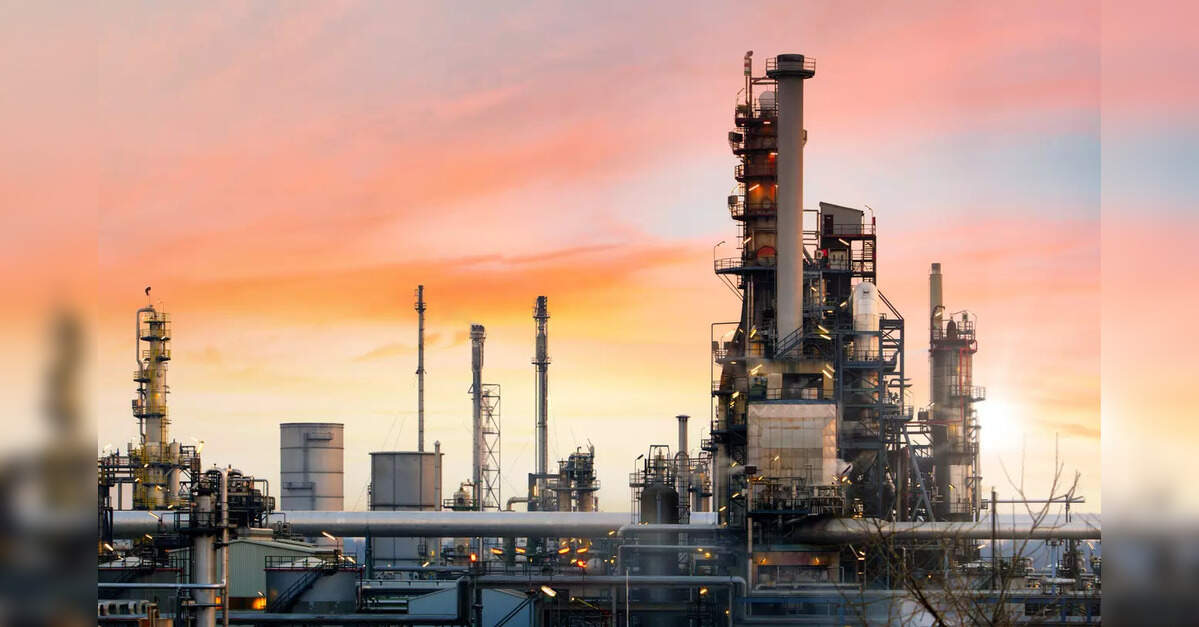
India’s energy sector, a colossal and rapidly evolving landscape, presents a compelling narrative for global oil and gas investors. The year 2025 marked a period of transformative growth and strategic recalibration, solidifying the nation’s position as a critical demand driver in the international energy markets. As investors navigate a volatile global environment, understanding the foundational shifts within India’s energy framework becomes paramount. This analysis delves into the strategic expansion of energy access, the aggressive push for infrastructure modernization, and the increasing embrace of cleaner fuels, all of which underscore India’s enduring importance for long-term investment theses in the energy space.
India’s Energy Ascent: A Pillar of Global Demand Stability
While the global crude markets continue to exhibit sensitivity to immediate supply-demand shifts and geopolitical events, India’s unwavering domestic consumption growth acts as a crucial long-term anchor. As of today, Brent Crude trades at $90.66, reflecting a modest 0.25% gain within a day range of $93.87 to $95.69. This stability stands in stark contrast to the notable decline observed over the past two weeks, where Brent fell from $118.35 on March 31 to $94.86 on April 20, representing a significant 19.8% drop. Amidst such fluctuations, India’s foundational demand story provides a counter-narrative of resilience.
A key highlight from 2025 was the extraordinary expansion of LPG access, with over 10.35 crore households gaining connections under the Pradhan Mantri Ujjwala Yojana. This initiative, reinforced by the approval of 25 lakh additional connections for FY 2025-26 and a simplified eligibility process, pushed beneficiary coverage towards saturation. The impact on consumption is tangible: average per capita LPG usage climbed from approximately three refills in 2019-20 to a pro-rated 4.85 refills per annum in FY 2025-26. Such scale in demand, supported by targeted subsidies of ₹300 per 14.2 kg cylinder for eligible beneficiaries and strengthened by biometric Aadhaar authentication covering 71% of PMUY consumers, positions India as a steadfast consumer of traditional energy sources even as it transitions towards cleaner alternatives.
The Dual Mandate: Driving Access and Cleaner Fuel Adoption
India’s energy strategy is characterized by a pragmatic dual mandate: ensuring universal access to affordable energy while aggressively pursuing cleaner fuel alternatives. Beyond the widespread LPG adoption, the nation made significant strides in ethanol blending, achieving an impressive 19% rate in 2025. This achievement not only contributes to environmental goals but also yielded substantial foreign exchange savings, bolstering the national economy. For investors, this trajectory signals burgeoning opportunities in biofuel production, processing, and distribution infrastructure.
The commitment to cleaner fuels extends beyond biofuels, with the ongoing expansion of the gas-based economy. By June 2025, operational natural gas pipelines stretched to 25,429 km, with an additional 10,459 km actively under execution. This massive infrastructure build-out, with approximately 90% of operational pipelines integrated under the ‘One Nation One Grid’ framework, creates a robust backbone for industrial and domestic gas consumption. Companies involved in gas exploration, pipeline construction, and city gas distribution stand to benefit immensely from this sustained governmental push towards a cleaner, more efficient energy mix.
Infrastructure Modernization: Building for Future Growth
The modernization of India’s energy infrastructure in 2025 was comprehensive, touching everything from fuel retail to electric mobility. Over 90,000 retail outlets were equipped with digital payment capabilities, supported by 2.71 lakh POS terminals, enhancing efficiency and consumer convenience. The deployment of more than 3,200 bowsers significantly improved door-to-door fuel delivery in remote areas, showcasing a commitment to last-mile connectivity. Furthermore, public sector oil marketing companies are actively developing 4,000 Energy Stations between 2024-25 and 2028-29, with 1,064 already operational by November 2025, indicating a strategic pivot towards integrated energy services.
Electric mobility also saw accelerated growth, crucial for sustainable urban development. Under the FAME-II scheme, 8,932 EV charging stations were installed, complemented by over 18,500 additional chargers set up by oil marketing companies. This rapid build-out of charging infrastructure, alongside the establishment of over 500 truckers’ wayside amenities, points to a clear, long-term national strategy to decarbonize transportation. Investors should closely monitor companies positioned within the EV charging ecosystem, as well as those traditional OMCs that are proactively diversifying their energy offerings to meet evolving consumer demands.
Navigating Volatility: India’s Long-Term Pull Amidst Global Swings
The persistent investor questions, ranging from “Is WTI going up or down?” to “What do you predict the price of oil per barrel will be by end of 2026?”, highlight the acute market uncertainty. Today, WTI Crude trades at $87.37, down 0.06%, within a daily range of $85.5 to $87.49, reflecting the immediate volatility that characterizes crude markets. However, for investors with a strategic long-term outlook, India’s robust energy build-out offers a compelling narrative that can help buffer against these daily and quarterly fluctuations.
While global supply-demand dynamics will always be influenced by critical events like the upcoming OPEC+ JMMC Meeting on April 21, or the insights from EIA Weekly Petroleum Status Reports on April 22 and April 29, India’s domestic energy policy and infrastructure expansion introduce a powerful, stabilizing force. The sustained push for energy access and modernization ensures a baseline of demand that is less susceptible to external shocks. As the EIA Short-Term Energy Outlook is released on May 2, investors should analyze global projections through the lens of massive, developing consumer bases like India. The nation’s blend of traditional energy consumption growth and aggressive transition towards cleaner fuels and modernized infrastructure presents a unique and attractive investment landscape, proving that even amidst global price swings, fundamental growth stories persist.


