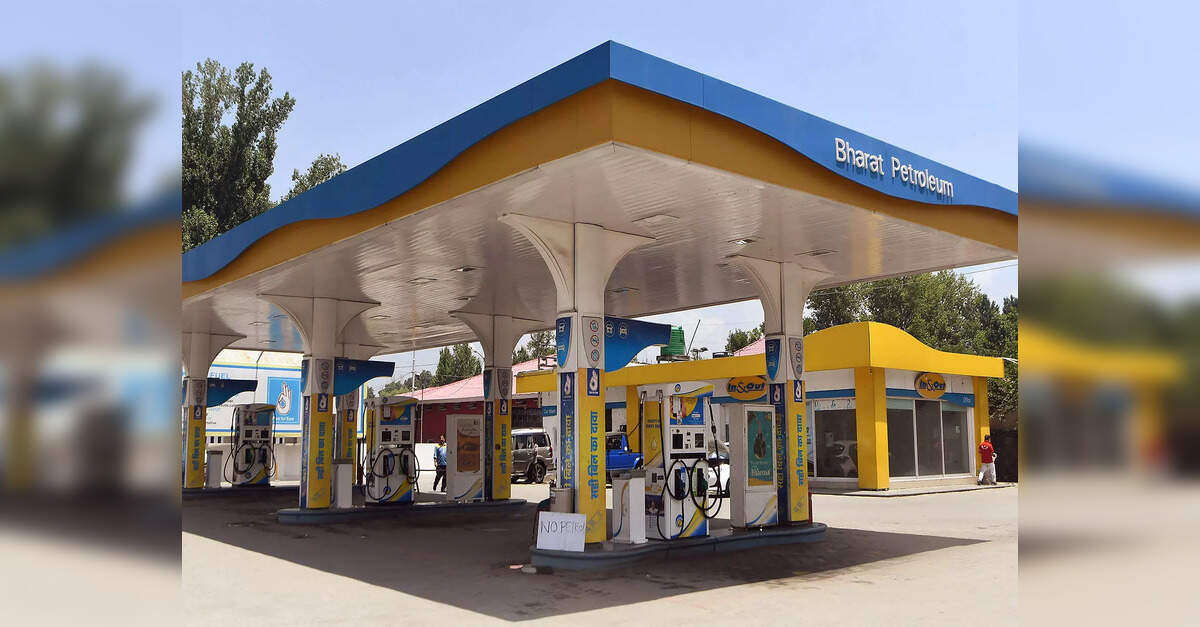
India’s energy market is undergoing a transformative period, marked by a dramatic expansion of its fuel retail infrastructure. With its petrol pump network now exceeding 100,000 outlets, India has cemented its position as the world’s third-largest fuel retail market, trailing only the United States and China. This rapid growth, which has seen the network nearly double over the past decade, has significantly improved fuel access, particularly in rural areas where such outlets now constitute 29% of the total, up from 22% a decade ago. For investors, this trajectory presents a complex mix of immense demand potential, strategic growth opportunities, and pressing economic sustainability questions. Our proprietary data on market prices, upcoming events, and investor sentiment offers critical insights into navigating this dynamic landscape.
The Paradox of Growth: Expansion Versus Viability in India’s Fuel Retail
The sheer scale of India’s fuel retail expansion is undeniable. The nation’s drive to expand its network has largely been spearheaded by state-run oil companies aiming to meet the demands of a booming vehicle population and deepen market penetration. This aggressive rollout has not only resolved many access constraints but has also intensified competition, theoretically benefiting consumers. However, this rapid growth also brings into sharp focus a critical challenge: economic viability. Industry executives express concern that the pace of expansion may have outstripped underlying demand growth, leading to an “overpopulated fuel retail country” with many outlets operating at unsustainably low volumes. Despite petrol consumption soaring 110% and diesel demand increasing 32% over the last decade, resulting in a combined volume increase of nearly 50%, this demand has reportedly not been sufficient to support every new station.
Further complicating the picture is the limited role of the private sector, which controls less than 10% of India’s fuel pumps. Major players like Reliance Industries operate approximately 2,100 outlets, while Nayara Energy runs around 6,900. This disparity is largely attributed to persistent government influence over pump prices, which has historically constrained private investment and squeezed margins. For investors eyeing this market, understanding the balance between aggressive market share grabs and the long-term profitability of these assets is paramount. The shift towards alternative fuels, with roughly one-third of outlets now offering options like CNG and EV charging, signals a strategic pivot that could mitigate some of these challenges, but its impact on overall network viability is still evolving.
Navigating Global Headwinds: Crude Prices and Indian Downstream Economics
The economic sustainability of India’s expansive fuel retail network is intrinsically linked to global crude oil prices, which have seen significant volatility recently. As of today, Brent Crude trades at $89.95, reflecting a 0.53% decrease. WTI Crude is at $86.28, down 1.3%, while Gasoline is priced at $3.03, a marginal decline of 0.33%. This current snapshot comes against a backdrop of considerable swings; our proprietary data shows Brent crude, for instance, has trended downwards from $118.35 on March 31st to $94.86 on April 20th, a substantial decrease of $23.49 or 19.8% in just 14 days. Such pronounced price fluctuations directly impact the import costs for India, a major net importer of crude oil.
For investors, the interplay between these global price movements and India’s domestically controlled fuel prices creates a challenging environment. When crude prices are high, state-owned companies and, by extension, private retailers operating under price caps, face immense pressure on their margins. The recent downward trend in Brent could offer some temporary relief on import bills, potentially easing some of the pressure on retail pricing. However, the underlying issue of viability for low-volume pumps persists, especially outside urban centers. Monitoring global crude benchmarks remains critical for assessing the financial health of companies with significant exposure to India’s downstream sector, as their profitability is highly sensitive to the spread between international procurement costs and regulated domestic selling prices.
Forward Outlook: Key Events Shaping India’s Energy Investment Landscape
Investors are consistently seeking clarity on future market direction, with queries ranging from the trajectory of WTI to predictions for year-end crude prices. Our forward-looking analysis, informed by upcoming calendar events, provides crucial context for these questions and for understanding India’s energy future. The OPEC+ JMMC Meeting scheduled for April 21st is a pivotal event. Any decision from this body regarding production quotas will directly influence global crude supply and, consequently, international price benchmarks. For India, a major crude importer, these decisions have immediate implications for its energy import bill and the financial health of its fuel retailers.
Further insights will come from the EIA Weekly Petroleum Status Reports on April 22nd and 29th, which detail U.S. crude inventory levels. While focused on the U.S., these reports are global market movers, impacting sentiment and short-term price movements that ripple across the world, including India. More broadly, the EIA Short-Term Energy Outlook on May 2nd will offer updated forecasts for global supply, demand, and prices through 2026. This outlook will be instrumental for investors trying to project the long-term viability of India’s fuel retail network, providing a macro backdrop against which to evaluate the sustainability of current expansion trends and the potential for shifts in government pricing policies. For those invested in India’s energy sector, tracking these events is not merely about predicting price, but about understanding the foundational economics that will shape their returns.
Beyond traditional fuels, the strategic imperative for India’s energy sector lies in diversification. With one-third of its expanded network now offering alternative fuels, the trajectory towards cleaner energy sources is clear. Investors should keenly watch for developments in policies supporting EV infrastructure and natural gas distribution, as these areas represent significant growth opportunities that could circumvent some of the regulatory challenges faced by conventional fuel retailing. The sheer scale of India’s market, coupled with its evolving energy mix, positions it as a critical region for long-term energy investment, provided one can navigate the inherent complexities of its regulated but rapidly expanding landscape.


