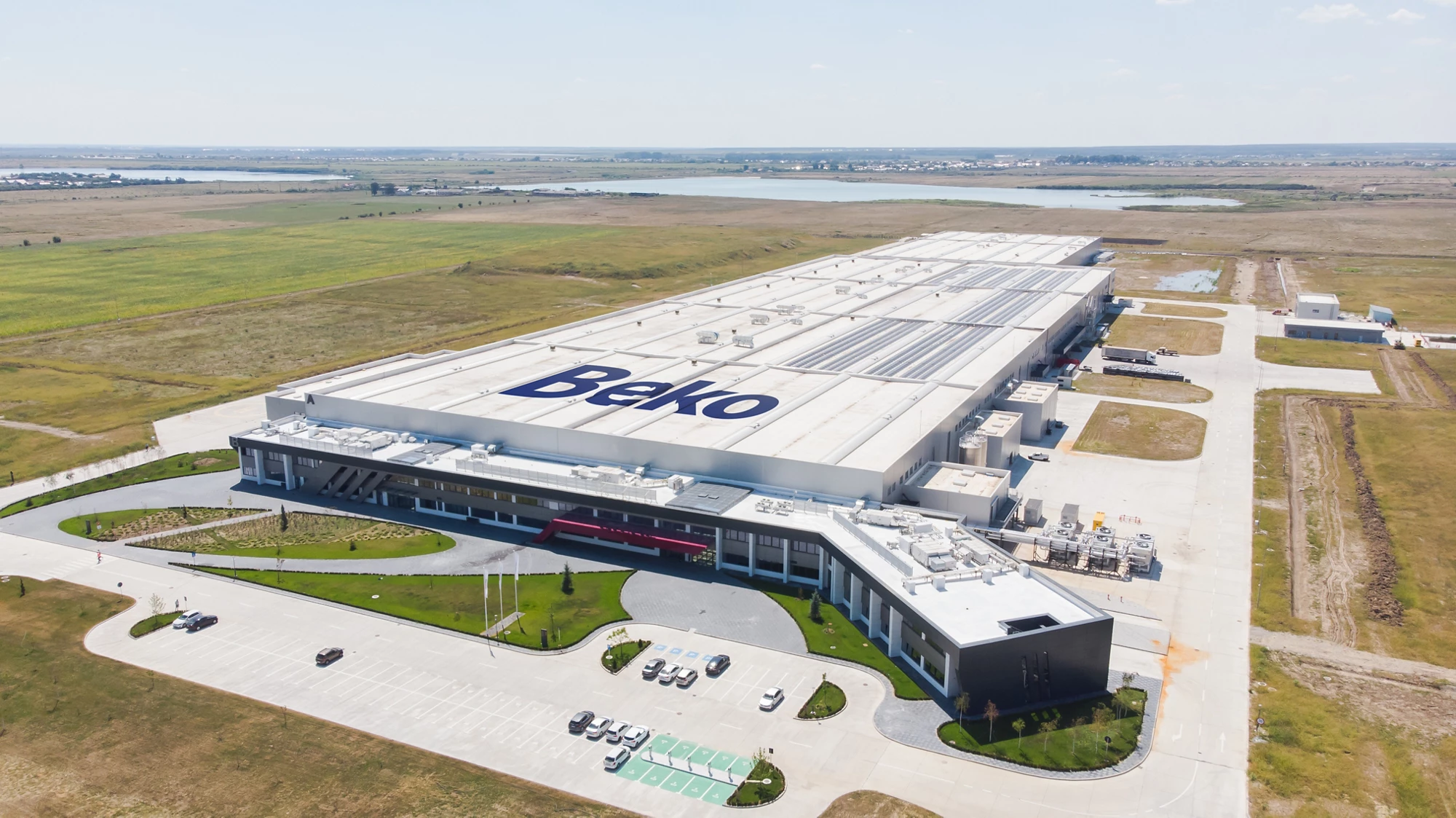
The recent $108 million sustainability-linked loan secured by Beko from the International Finance Corporation (IFC) is far more than a simple corporate financing deal; it signals a significant inflection point in how capital is being deployed across global industrial sectors. This five-year facility, valued at approximately €100 million, targets critical areas like renewable energy operations, enhanced manufacturing resilience, and product innovation, setting a clear precedent for future investment flows. For sophisticated energy investors, this transaction highlights a broadening mandate for capital, moving beyond traditional upstream and midstream plays to encompass the entire energy consumption value chain, where efficiency and climate resilience are becoming non-negotiable pillars of long-term value creation.
The Strategic Imperative of ESG in Industrial Competitiveness
Beko’s proactive move to secure this substantial financing underscores a deepening commitment to environmental, social, and governance (ESG) principles, not merely as a compliance exercise but as a core driver of competitive advantage. The $108 million injection is earmarked for critical investments, including bolstering the operation of Beko’s two existing solar power plants, a strategic step towards energy independence and reduced operational emissions. Furthermore, significant funds will be allocated to reinforce six manufacturing sites, enhancing their resilience against seismic activity – a direct response to tangible climate-related risks. Coupled with research and development into digitalization and smart, resource-efficient appliances, this comprehensive approach positions sustainability and operational fortitude at the heart of Beko’s long-term growth strategy. This type of sustainability-linked financing, tied to measurable performance targets such as 2030 emissions reductions and gender diversity, reflects a growing trend where access to capital is directly contingent upon a company’s commitment and progress on its ESG agenda. For investors, this structure offers a transparent mechanism to assess a company’s dedication to sustainable practices, mitigating risks and potentially enhancing returns over the long haul.
Navigating Market Volatility with Strategic Resilience
The timing and nature of Beko’s investment in energy efficiency and self-generation are particularly pertinent given the current dynamics in global energy markets. As of today, Brent crude trades at $90.06, reflecting a -0.41% dip, while WTI crude sits at $86.5, down -1.05% within a day range of $85.5-$87.47. This snapshot follows a notable 14-day trend where Brent crude declined from $118.35 on March 31st to $94.86 by April 20th, representing a nearly 20% reduction. Such significant price fluctuations underscore the inherent volatility in the energy commodity markets. For industrial manufacturers like Beko, reliance solely on grid electricity or externally sourced energy exposes them directly to these unpredictable price swings and geopolitical risks. By investing in renewable self-generation capabilities, such as their solar power plants, Beko effectively hedges against future energy price volatility, stabilizes operational costs, and reduces its carbon footprint simultaneously. This proactive strategy translates directly into improved long-term financial predictability and operational security, making the company a more attractive proposition for investors seeking stable returns in a turbulent energy landscape.
Forward-Looking Investments and Upcoming Market Catalysts
Beko’s focus on climate resilience, particularly the earthquake mitigation efforts across its manufacturing sites, and its continued investment in R&D for smart, resource-efficient appliances, highlights a strategic foresight that extends beyond immediate operational concerns. These initiatives are designed to future-proof the company against evolving environmental challenges and consumer demands for more sustainable products. For energy investors, understanding these forward-looking strategies is crucial, especially when juxtaposed with impending market catalysts. Investors will be keenly observing the OPEC+ JMMC Meeting scheduled for April 21st, as any decisions on production levels could significantly impact crude prices and, by extension, the broader energy cost environment for industrial players. Following this, the EIA Weekly Petroleum Status Reports on April 22nd and April 29th, alongside the Baker Hughes Rig Count on April 24th and May 1st, will offer vital insights into supply-demand balances and drilling activity, which directly influence future energy price trajectories. The EIA Short-Term Energy Outlook on May 2nd will provide a comprehensive forecast that can shape long-term energy investment decisions. Companies like Beko, by actively managing their energy consumption and resilience, demonstrate an understanding that external market forces necessitate internal strategic adjustments. This proactive stance suggests a more robust and adaptable business model, potentially mitigating the impact of unforeseen market shifts flagged by these upcoming industry reports.
Investor Sentiment and the Shifting Landscape of Energy Capital
Our proprietary intent data reveals a significant preoccupation among investors regarding the trajectory of crude oil prices. Queries such as “is WTI going up or down” and “what do you predict the price of oil per barrel will be by end of 2026?” consistently rank high, indicating a strong focus on traditional commodity market speculation. However, the increasing prevalence of sustainability-linked financing, exemplified by Beko’s $108 million deal, signals a parallel evolution in investor focus. While the allure of commodity price movements remains strong, a growing segment of capital is now being allocated towards companies demonstrating concrete steps in managing their environmental footprint and building operational resilience. This shift reflects a broader recognition that climate risks and energy transition imperatives are fundamentally reshaping industrial economics. Investors are increasingly evaluating companies not just on their immediate profitability but also on their long-term sustainability and adaptability. Deals like Beko’s provide a blueprint for how industrial players can access substantial capital by aligning their growth strategies with global sustainability goals, offering a compelling alternative or complementary investment thesis to pure upstream energy plays. This trend suggests that a diversified energy investment portfolio in the coming years will increasingly include industrial giants who are effectively decarbonizing and de-risking their operations through strategic ESG initiatives.


