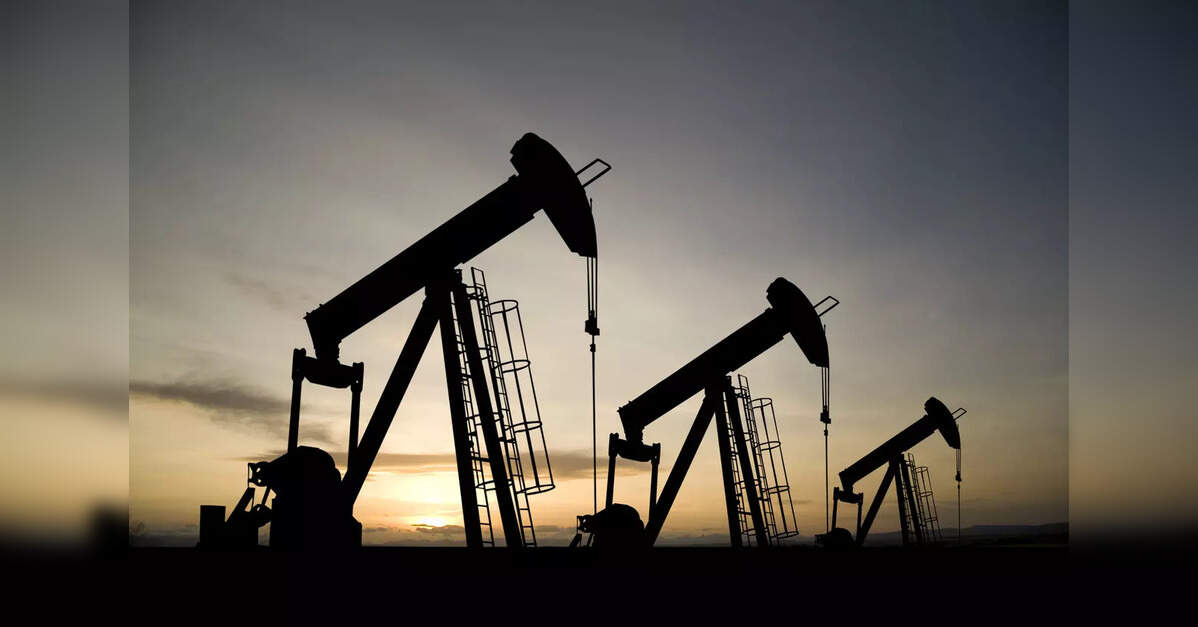
Indonesia, a nation grappling with a decade-long decline in its domestic oil and gas production, has unveiled an ambitious strategy to rejuvenate its energy sector. The Ministry of Energy and Mineral Resources recently announced a significant tender round, offering eight new oil and gas blocks to prospective contractors. This move signals a resolute commitment to bolstering the country’s energy reserves and reversing the downtrend that has characterized its output. For sophisticated investors in the global energy landscape, these tenders represent a compelling opportunity to secure long-term assets in a resource-rich region, aligning with Indonesia’s strategic vision for energy independence and growth.
Indonesia’s Strategic Drive for Reserve Growth and Resource Potential
The core of Indonesia’s energy strategy is a proactive push to unlock new hydrocarbon resources. Facing diminishing returns from mature fields, the government is making good on its pledge to open up dozens of new blocks in the coming years. This latest tender round highlights several promising areas. Key among them are the Tapah block, located across South Sumatra and Jambi provinces, boasting an estimated 439.5 million barrels of oil and 23 billion cubic feet of gas. The Nawasena block, spanning both onshore and offshore East Java, presents an even larger potential with an estimated 1.313 billion barrels of oil resources. Further significant opportunities include the Rangkas block in Banten and West Java, estimated at 874 million barrels of oil or 789 billion cubic feet of gas, and the vast Akimeugah I and Akimeugah II blocks in South Papua and Papua Mountains, each with an estimated 15 billion barrels of oil. These figures underscore the substantial untapped potential Indonesia offers, making these blocks attractive targets for E&P companies seeking material reserve additions.
Navigating Volatility: Market Context for Indonesia’s Offshore Ambitions
While Indonesia’s long-term vision is clear, the current global crude oil market presents a dynamic backdrop for these tenders. As of today, Brent crude trades at $91.87, reflecting a notable 7.57% decrease from yesterday’s close and an 18.5% decline over the past two weeks, dropping from a high of $112.78. Similarly, WTI crude stands at $84, down 7.86% in the same period. This recent downturn, which has seen gasoline prices also fall to $2.95, introduces a layer of complexity for potential bidders. Companies must weigh the long-term resource potential against short-to-medium term price volatility. Lower current prices might temper aggressive bidding strategies, yet the strategic importance and sheer scale of resources like the Akimeugah blocks could still command premium interest from major players looking decades ahead. This environment demands a nuanced evaluation of project economics, balancing upfront investment against the potential for robust returns when market conditions inevitably shift.
Upcoming Catalysts and the Investor Outlook
The timing of Indonesia’s tender round, with bid submissions for blocks like Tapah, Nawasena, and Mabelo extending until February 5, 2026, provides a lengthy window for market participants to assess both the geological prospects and the evolving macro environment. This extended timeline allows investors to factor in critical upcoming events that could reshape the global energy landscape. For instance, the imminent OPEC+ Ministerial Meeting scheduled for April 18th is a key catalyst, with any decisions on production quotas likely to influence crude oil prices and, by extension, the perceived value of new exploration acreage. Subsequent weekly data releases, such as the API and EIA Crude Inventory reports and the Baker Hughes Rig Count, will provide ongoing insights into supply-demand dynamics. These forward-looking data points are crucial for companies evaluating multi-year exploration and development projects, offering signals that could either bolster or temper confidence in long-term price trajectories. Savvy investors will closely monitor these events to inform their bidding strategies for Indonesia’s promising blocks.
Addressing Investor Concerns: Risk, Reward, and Strategic Positioning
Our proprietary reader intent data reveals that investors are keenly focused on future oil price trajectories, frequently asking questions like “what do you predict the price of oil per barrel will be by end of 2026?” This directly impacts the perceived value and risk of participating in new exploration tenders. Investing in frontier blocks, particularly those with significant resource estimates, carries inherent risks—geological uncertainty, substantial capital expenditure, and long lead times to production. However, the potential rewards are equally significant. Indonesia’s government support for these initiatives, coupled with the sheer scale of the estimated resources, offers compelling upside. The recent awarding of the Gagah oil and gas block in Southern Sumatra to PT Proteknik Utama demonstrates that there is indeed active interest and successful participation in these tenders. For E&P firms, securing these blocks could be transformative, providing a foundation for sustained growth and a strong hedge against future supply constraints. Companies like Repsol, or others with a similar global footprint, must weigh these opportunities carefully, considering how they align with their long-term portfolio strategies and risk appetites in a volatile but fundamentally energy-hungry world.
Strategic Implications for Global Energy Portfolios
Indonesia’s aggressive push to tender new oil and gas blocks is more than just a domestic policy; it’s a critical component of the global energy supply picture. As major economies continue to demand reliable energy sources, nations like Indonesia, with significant untapped potential, become increasingly important. For international E&P companies, these tenders represent a strategic entry point or expansion opportunity in Southeast Asia, a region characterized by growing energy demand. Successful bidders stand to add substantial, long-life reserves to their portfolios, enhancing their resilience and strategic positioning in an evolving energy landscape. This initiative is a clear signal that despite global decarbonization efforts, the pursuit of conventional hydrocarbon resources remains a vital undertaking for national energy security and economic stability. Investors looking for long-term growth in the energy sector should meticulously analyze these Indonesian opportunities, recognizing their potential to shape future supply dynamics and generate significant value.


