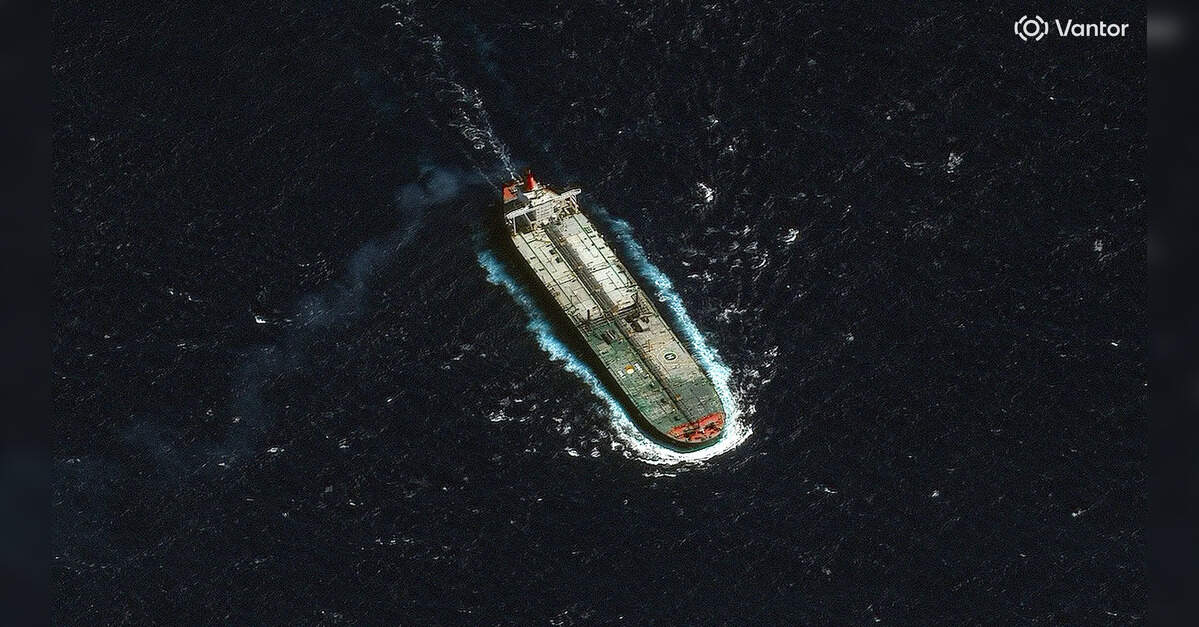
The global oil market is grappling with a fresh wave of geopolitical uncertainty as the United States significantly escalates its enforcement actions against Venezuelan oil exports. In a move that signals a hardening stance against sanctions evasion, the US Coast Guard has initiated a series of aggressive pursuits of tankers in international waters near Venezuela, marking three such operations in less than two weeks. This intensified crackdown, targeting what officials describe as “dark fleet” vessels engaged in illegal sanctions evasion, introduces a critical new risk factor into the delicate balance of global oil supply and demands immediate attention from energy investors. While US officials have downplayed the impact on global prices, the potential for broader disruptions and retaliatory measures is a palpable concern that could reshape market dynamics.
Escalation in the Caribbean: A Hardening Stance on Sanctions Evasion
The recent surge in US Coast Guard activity near Venezuela represents a decisive shift in enforcement strategy. Officials confirm the active pursuit of a sanctioned vessel “flying a false flag and under a judicial seizure order,” part of a larger campaign to disrupt Venezuela’s illicit oil trade. This operation follows two other seizures, bringing the total to three significant interdictions in a concentrated period. While the White House has emphasized that these actions target “black market ships” and will not impact US domestic prices, the market’s initial reaction suggests a more nuanced reality. The aggressive posture, including the pursuit of vessels not explicitly under US sanctions in at least one instance, signals a willingness to expand the scope of enforcement, thereby increasing the risk profile for any vessel involved in Venezuelan oil exports, sanctioned or otherwise. This proactive approach could further constrict Venezuela’s already struggling output, adding a layer of supply-side risk that warrants careful monitoring.
Market Response and Investor Sentiment Amidst Volatility
The current market landscape presents a complex picture for oil investors, with the Venezuelan situation adding a distinct geopolitical tremor. As of today, Brent crude trades at $91.87, representing a notable decline of 7.57% within the day’s range of $86.08 to $98.97. Similarly, WTI crude has fallen to $84, down 7.86%, fluctuating between $78.97 and $90.34. This immediate downturn reflects broader macroeconomic headwinds and demand concerns that have dominated sentiment. Looking at the 14-day trend, Brent has experienced a significant drop from $112.78 on March 30 to its current level, shedding $20.91 or 18.5% of its value. Despite this overarching bearish pressure, the Venezuelan crackdown introduces an undeniable bullish risk factor. Many investors are keenly asking about the trajectory of oil prices by the end of 2026, and while the current market is reacting to immediate pressures, the potential for supply shocks from regions like Venezuela cannot be ignored. Even a modest tightening of the “shadow fleet” operations, which account for a significant portion of sanctioned oil moving globally, could quickly translate into upward price pressure, particularly if combined with a rebound in global demand or other unforeseen disruptions. The perceived risk of “more Venezuelan barrels at risk” is already prompting analysts to consider modest price increases at the opening of Asian trading sessions, highlighting the market’s sensitivity to even incremental supply threats.
Geopolitical Ripple Effects and the Dark Fleet’s Future
The implications of the US’s escalated tanker crackdown extend far beyond Venezuela’s immediate shores. This aggressive enforcement sets a precedent that could profoundly impact the global “dark fleet” – the clandestine network of vessels transporting oil from sanctioned nations like Russia and Iran. Analysts suggest that the US seizures could legitimize and even encourage other nations to target Moscow-linked vessels or further embolden Ukraine in its naval actions against Russian shipping. Such a development would not only raise geopolitical friction but also significantly increase the operational costs, insurance premiums, and overall risk associated with moving oil globally, regardless of origin. The shadow fleet plays a crucial role in balancing global supply, and any widespread disruption to its operations, even if technically legal under international sanctions, could remove a substantial volume of oil from the market. This heightened friction adds another layer of complexity for investors evaluating the long-term stability of global oil supply chains and the potential for wider geopolitical confrontations.
Forward Outlook: Navigating Key Events Amidst Rising Risk
For investors charting their course in this volatile environment, the interplay between the escalating Venezuelan situation and upcoming market events will be paramount. A critical date on the immediate horizon is the OPEC+ Ministerial Meeting scheduled for April 18. Investors are actively seeking insights into OPEC+’s current production quotas and how the group might react to evolving supply dynamics. While the US crackdown on Venezuelan tankers might not directly influence OPEC+’s core strategy, it could provide an additional rationale for the alliance to maintain existing cuts or even consider slight adjustments if they perceive a growing risk of supply tightness from non-OPEC+ sources. Beyond OPEC+, the market will closely monitor the API Weekly Crude Inventory reports on April 21 and 28, followed by the EIA Weekly Petroleum Status Reports on April 22 and 29. These crucial data points will offer real-time insights into US supply and demand fundamentals, providing a counter-narrative or amplification to the geopolitical risks emanating from Venezuela. Finally, the Baker Hughes Rig Count on April 24 and May 1 will signal future US production trends, which could either alleviate or exacerbate concerns over global supply. The confluence of these scheduled events with the unpredictable nature of geopolitical enforcement means investors must remain agile, ready to reassess positions as new information emerges from both the physical and political landscapes of oil production and transport.


