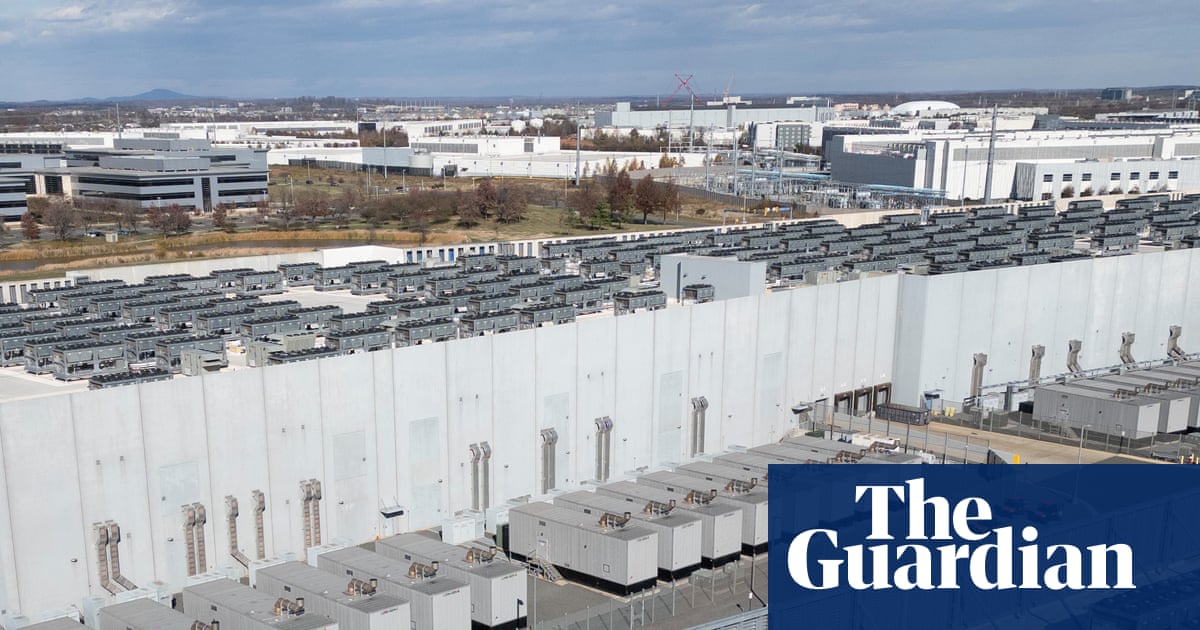
The relentless march of artificial intelligence and digital transformation is fueling an unprecedented demand for datacentre capacity. However, as these hyperscale facilities proliferate, a critical and often understated challenge is emerging: the true environmental footprint of their operations. Recent analysis reveals that a major proposed datacentre in the UK, despite marketing “water-free” cooling, is significantly understating its indirect water consumption, painting a stark picture of the hidden resource demands inherent in the digital economy. For oil and gas investors, this isn’t merely an environmental footnote; it represents an evolving landscape of energy demand, regulatory risk, and redefined ESG accountability that demands immediate attention.
The Hidden Cost of Hyperscale AI: A New Resource Burden for Energy
The scale of the discrepancy is striking. The first phase of the hyperscale campus in Cambois, Northumberland, developed by US operator QTS, officially estimates an annual direct water consumption of 2.3 million litres for its initial two data halls. Yet, applying a robust methodology to account for the electricity generation required to power the site’s AI servers reveals an indirect water footprint more than 50 times higher, at an estimated 124 million litres per year. When all ten planned data halls become operational, the total indirect water consumption could soar to approximately 621 million litres annually, equivalent to the average yearly water use of over 11,000 people. This embedded water use, tied to the massive energy demands of AI infrastructure, is a critical blind spot. Even as QTS states its power is often carbon neutral, sourced from renewables, the process of generating that electricity still carries a significant, indirect water demand. This scenario underscores a growing challenge for energy providers: meeting the burgeoning power needs of the digital sector while grappling with the full spectrum of resource accountability. Furthermore, the analysis points to another understated problem: potential air pollution from increased power generation and the greater use of diesel generators than initially stated. Such emissions, including fine particulate matter and nitrogen oxides, from power plants and backup systems, represent direct health and environmental risks that will inevitably draw regulatory scrutiny, impacting the fossil fuel-based infrastructure that often supports these facilities.
Navigating Volatility: Traditional Drivers Meet Emerging ESG Risks
In the immediate term, traditional market forces continue to dictate investment sentiment. As of today, Brent crude trades at $91.87 per barrel, down 7.57% from its daily high and a notable 18.5% decline from its $112.78 level just two weeks prior. WTI crude mirrors this trend, currently at $84.00, marking a 7.86% drop from its daily peak. Gasoline prices have also softened, now at $2.95 per gallon, down 4.85%. This significant downward pressure on prices reflects a complex interplay of supply dynamics and demand forecasts, often overshadowed by broader macroeconomic concerns. However, the datacentre water-use controversy introduces a critical, evolving dimension to energy investing: ESG risk. While investors are acutely focused on immediate price movements and traditional supply-demand indicators, the indirect environmental footprint of major energy consumers like AI datacentres cannot be ignored. The lack of transparency and potential understatement of resource use creates significant reputational and regulatory exposure for the energy companies that supply these facilities, particularly those relying on conventional power generation. This emerging risk factor demands a more granular understanding of energy end-use and its associated externalities, compelling investors to broaden their due diligence beyond the barrel and into the full life cycle of energy consumption.
Beyond the Barrel: Anticipating Future Energy Demand and Regulatory Headwinds
Looking forward, the energy sector is bracing for a series of key events that will shape the near-term outlook. The OPEC+ Full Ministerial Meeting on April 18th is poised to influence global supply strategies, followed by the API Weekly Crude Inventory (April 21st, 28th) and EIA Weekly Petroleum Status Report (April 22nd, 29th) providing crucial insights into US supply and demand. The Baker Hughes Rig Count on April 24th and May 1st will offer a pulse check on upstream activity. While these events remain paramount for short-term price discovery and production quotas—a frequent query among our readers, alongside predictions for oil prices by the end of 2026—the datacentre issue signals a more profound, structural shift in energy demand. The insatiable appetite of AI for electricity will increasingly necessitate substantial baseload and peak power, a significant portion of which, even in ‘green’ grids, will continue to rely on natural gas and, for backup, refined products like diesel. We anticipate that as the environmental scrutiny on these datacentres intensifies, regulators will inevitably move to mandate more comprehensive disclosure of indirect energy and water footprints. This forward-looking analysis suggests that future permitting for energy-intensive projects could face stricter environmental impact assessments, longer approval cycles, and potentially higher compliance costs. For energy companies, this translates to increased operational complexity and a heightened need for transparent reporting across their entire value chain, impacting long-term project viability and investment returns. Investors asking about the future price of oil by late 2026 must factor in these evolving regulatory and resource constraints as significant, albeit often overlooked, drivers of future market dynamics.
Investment Implications: Due Diligence in a Resource-Constrained Future
For investors navigating the oil and gas markets, the revelations regarding datacentre water use are a clear signal to expand their analytical lens. Companies involved in natural gas production, power generation, and even refining (given the reliance on diesel for backup generators) must assess their indirect exposure to the environmental risks posed by their largest consumers. The narrative that a datacentre is “carbon neutral” due to renewable energy contracts is increasingly insufficient; the full embedded resource cost, including water and local air quality impacts, is becoming a critical component of ESG evaluation. Investors should demand greater transparency from energy suppliers regarding the environmental footprint of their end-users, pushing for a more holistic accountability across the entire energy supply chain. This means scrutinizing not just the direct emissions or water usage of an energy producer, but also the indirect impacts facilitated by the energy they provide. As the world becomes more resource-constrained and environmentally aware, the ability of energy companies to demonstrate a clear understanding and mitigation strategy for these embedded footprints will become a significant differentiator, influencing capital allocation and long-term shareholder value. The future of oil and gas investing will increasingly hinge on identifying companies that can adapt to this broader definition of environmental responsibility, ensuring sustainable growth in an era where ‘carbon neutral’ no longer equates to ‘resource neutral.’


