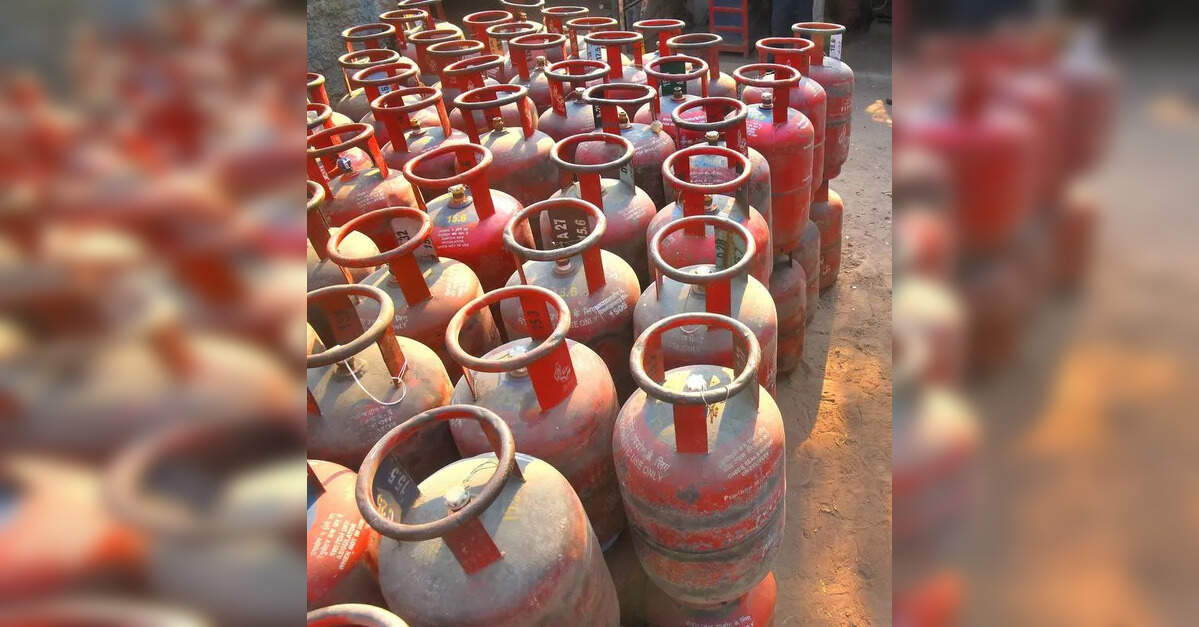
The intricate dance between energy supply and demand often plays out on a global stage, yet its most profound impacts are frequently felt at the regional level. The Guru Gobind Singh Refinery shutdown in Bathinda during December 2025, while a localized event, served as a potent reminder of the inherent fragility within energy supply chains. This temporary disruption, which led to significant LPG delivery delays across Punjab, Himachal Pradesh, and Jammu and Kashmir, underscores critical lessons for investors scrutinizing the resilience and operational efficiency of downstream energy companies. For Hindustan Petroleum Corporation Ltd (HPCL), the immediate challenge was logistical, shifting supply routes from Bathinda to Kandla and extending delivery times from a typical one to two days to upwards of ten. For investors, this incident highlights the vulnerabilities that can manifest even in seemingly stable markets, affecting consumer confidence, brand reputation, and ultimately, a company’s financial performance.
The Echo of Bathinda: A Microcosm of Supply Chain Fragility
The December 2025 shutdown of the Bathinda refinery for repairs, occurring during a peak demand season for LPG, presented a stark illustration of how quickly localized supply can tighten. Distributors faced immense pressure as waiting periods for domestic LPG cylinders from HPCL stretched dramatically. While the refinery was slated to resume operations by December 19, 2025, the interim period exposed a critical dependency. This event, though now resolved, offers valuable insights into the operational risks faced by integrated oil and gas companies. Investors must evaluate not just the capacity of a refiner, but the redundancy and flexibility of its supply chain. The ability to pivot quickly to alternative sources, even if at a higher logistical cost from a distant port like Kandla, is a testament to operational contingency planning, but the resulting delays highlight areas for improvement in regional distribution resilience. Such disruptions, even short-lived, can erode market share and necessitate significant efforts to restore consumer trust.
Current Market Headwinds and Regional Price Dynamics
Against the backdrop of such regional operational challenges, the broader energy market continues its volatile trajectory. As of today, Brent crude trades at $91.87 per barrel, reflecting a significant 7.57% drop within the day’s trading, having moved from a high of $98.97 to a low of $86.08. Similarly, WTI crude sits at $84 per barrel, down 7.86% for the day, traversing a range of $78.97 to $90.34. This intraday volatility follows a broader downward trend for Brent, which has fallen from $112.78 on March 30 to its current level, marking an 18.5% decline in just over two weeks. While gasoline prices have also seen a downturn, currently at $2.95 per gallon, down 4.85%, the dramatic swings in crude prices have profound implications for refining margins and product pricing, including LPG. For companies like HPCL, navigating periods of regional supply constraint while simultaneously contending with a highly fluctuating global crude market adds layers of complexity, impacting procurement costs, inventory valuation, and ultimately, profitability. The ability to manage these dual pressures effectively is a key differentiator for investment appeal.
Navigating Future Supply Chains: Investor Focus on Resilience and Upcoming Catalysts
Looking forward, the lessons from Bathinda underscore the importance of robust infrastructure and diversified supply channels, especially as global energy dynamics remain in flux. Investors are keenly watching upcoming events for signals on global supply stability and their potential impact on regional product markets. This weekend, the OPEC+ Ministerial Meeting on April 18th is a primary focus, with any decisions on production quotas directly influencing crude price stability. Following this, the market will closely monitor the API Weekly Crude Inventory report on April 21st and the EIA Weekly Petroleum Status Report on April 22nd, with subsequent releases scheduled for April 28th and 29th. These inventory figures provide crucial insights into supply-demand balances in major consuming regions. Furthermore, the Baker Hughes Rig Count on April 24th and May 1st will offer a snapshot of upstream activity and future supply potential. For refiners and distributors, the outcomes of these events dictate the cost of feedstock and the competitive landscape for refined products like LPG. Companies with proactive risk management strategies and investments in supply chain optimization are better positioned to weather future disruptions, whether they stem from geopolitical shifts or localized operational incidents, making them more attractive long-term holdings.
Addressing Investor Concerns: LPG Demand, Price Outlook, and Regional Growth
Our proprietary reader intent data reveals a strong investor focus on the future price of oil per barrel by the end of 2026 and the effectiveness of OPEC+ production quotas. These questions are intrinsically linked to the regional LPG market. A stable or rising crude price typically translates to higher feedstock costs for LPG production, which can either be passed on to consumers or absorbed by refiners, impacting margins. The efficacy of OPEC+ quotas in balancing the market directly influences this price outlook. Beyond crude prices, investors are also examining the underlying demand trends for LPG in regions like Punjab, Himachal Pradesh, and Jammu and Kashmir. These areas represent significant domestic consumption bases, driven by population growth and government initiatives promoting clean cooking fuels. Sustained demand puts continuous pressure on existing infrastructure and necessitates ongoing investment in refining capacity, storage, and distribution networks. Therefore, while global oil prices dictate the broad economic environment, the specific investment thesis for companies heavily involved in regional product markets like LPG must also factor in localized demand growth, regulatory support, and the proven ability to maintain consistent supply despite logistical hurdles. Analyzing these granular details helps identify companies that are not just surviving, but thriving by effectively meeting critical regional energy needs.


