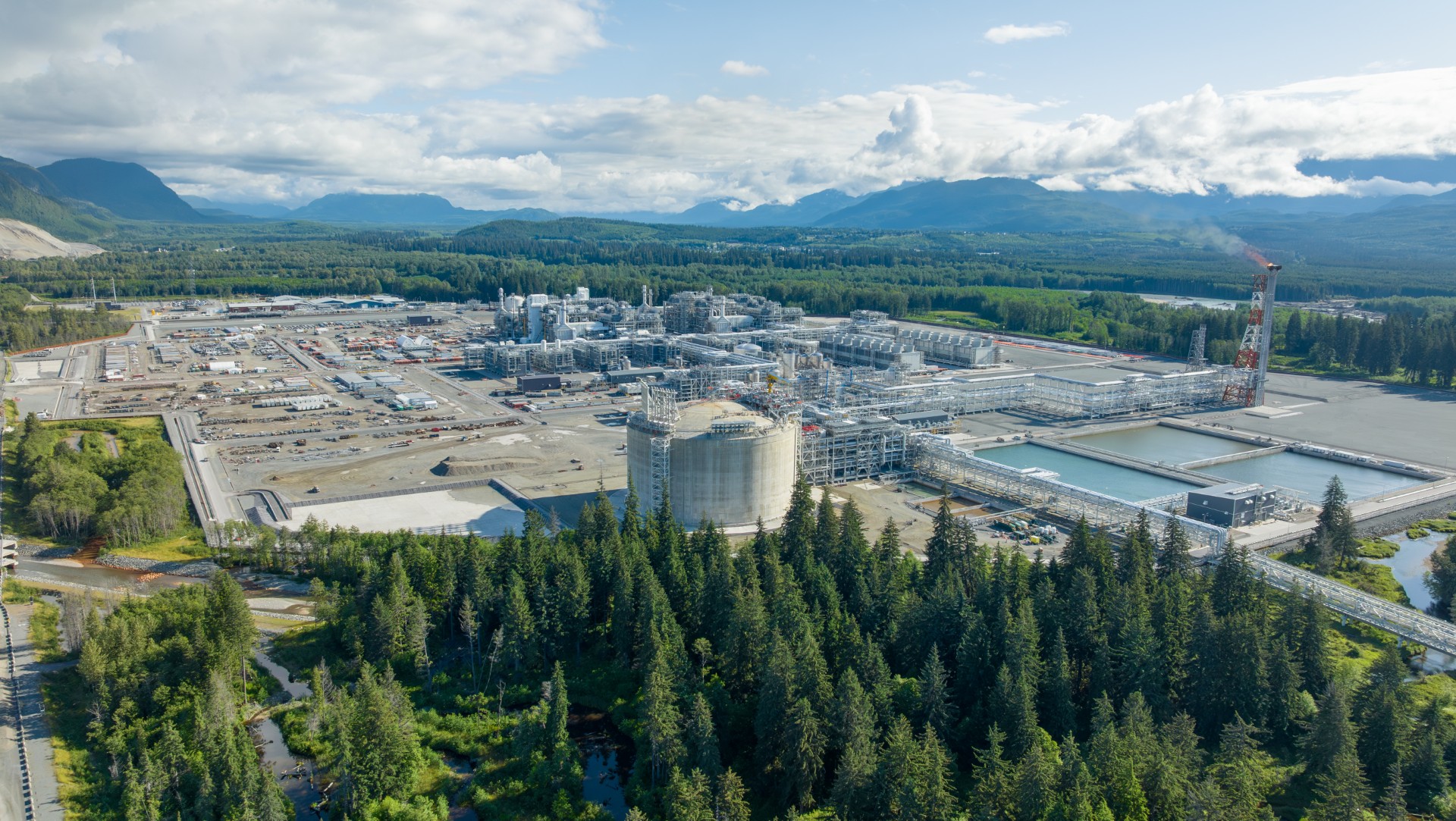
The global energy landscape is undergoing a profound transformation, and a pivotal moment has arrived with the completion of Train 2 at the LNG Canada project in Kitimat, British Columbia. This milestone signifies the full operational readiness of Phase 1, marking Canada’s entry as a major player in global liquefied natural gas exports. With its substantial capacity and strategic positioning, this development is poised to reshape supply dynamics, bolster energy security for Asian markets, and offer a compelling long-term value proposition for investors navigating the complexities of the energy transition.
LNG Canada Phase 1: A Strategic Gateway to Global Markets
The handover of Train 2 by Fluor and JGC Corp. officially completes the initial phase of the LNG Canada development, a monumental undertaking designed to leverage Western Canada’s vast natural gas reserves. This first phase brings online two liquefaction trains boasting a combined nameplate capacity of up to 14 million tonnes per year (MTPA). Beyond the liquefaction facilities, the integrated project includes a state-of-the-art marine terminal, extensive LNG storage tanks, a rail yard, and robust utility systems, all designed to facilitate efficient and reliable export. The strategic choice of Kitimat, British Columbia, with its year-round ice-free harbor, provides a significant logistical advantage, enabling direct access to key Asian markets without the need for Panama Canal transit. The project’s ownership structure, a consortium of global energy giants including Shell (40%), PETRONAS (25%), PetroChina (15%), Mitsubishi Corp. (15%), and KOGAS (5%), underscores its international significance and the strong demand signals underpinning its development. This diverse partnership not only provides robust financial backing but also ensures a broad market reach for the produced LNG, cementing its role as a cornerstone of future energy supply.
Navigating Volatility: Crude Headwinds vs. LNG’s Enduring Demand
While the long-term outlook for natural gas and LNG remains robust, investors are currently observing significant volatility in the broader energy market. As of today, Brent crude futures are trading at $91.87 per barrel, marking a substantial 7.57% decline from yesterday’s close and reflecting a turbulent trading day with prices ranging from $86.08 to $98.97. Similarly, WTI crude has fallen to $84 per barrel, down 7.86%, while gasoline prices have dipped to $2.95, a 4.85% decrease. This recent downturn extends a trend observed over the past two weeks, where Brent has shed 12.4% from its $112.57 perch on March 27th. Many investors are keenly asking about the trajectory of oil prices, with a frequent query being, “What do you predict the price of oil per barrel will be by end of 2026?” While crude oil faces immediate pressures from macroeconomic concerns and inventory shifts, the narrative for LNG is distinct. Natural gas demand, particularly in Asia, is driven by long-term energy security goals, industrial growth, and a transitional role in decarbonization efforts. This fundamental demand provides a crucial hedge against the short-term speculative pressures impacting crude markets, suggesting that while crude may be facing headwinds, the structural demand for LNG projects like Canada’s remains resilient.
Future Supply Dynamics and Upcoming Market Catalysts
The introduction of 14 MTPA of new LNG supply from Canada will undoubtedly influence global gas markets, particularly as it targets Asian importers. This additional volume enhances supply diversity and provides crucial optionality for buyers, potentially moderating price volatility in a market historically susceptible to geopolitical disruptions. However, the broader energy market remains highly dynamic, with several key upcoming calendar events poised to influence sentiment and prices. Investors will be closely watching the OPEC+ Joint Ministerial Monitoring Committee (JMMC) meeting tomorrow, April 17th, followed by the full OPEC+ Ministerial Meeting on April 18th. These gatherings often dictate crude production quotas and can send ripple effects across the entire energy complex, impacting investor confidence in energy stocks. Furthermore, the weekly API and EIA crude inventory reports on April 21st and 22nd, respectively, along with the Baker Hughes Rig Count on April 24th, will provide fresh data on supply and demand fundamentals in North America. While these events primarily focus on crude, their outcomes can influence the broader energy investment landscape. For LNG, the long-term supply contracts typically underpinning such projects offer a degree of insulation from daily price swings, but the overarching sentiment in energy markets can still affect valuations and investor appetite for future development.
Investor Outlook: Diversifying Portfolios with Long-Term LNG Assets
For sophisticated investors, LNG Canada represents more than just a new supply source; it’s a critical piece in the evolving global energy puzzle. The significant investment, including over C$3.3 billion in contracts with Indigenous businesses and joint ventures and C$550 million with local companies, highlights the complex stakeholder engagement and long-term commitment required for such mega-projects. This local integration is a de-risking factor for large-scale infrastructure developments, ensuring community buy-in and operational stability. With Phase 1 now complete and nearing full operations, the focus shifts to the revenue generation and strategic benefits for the joint venture partners. Shell, as the largest stakeholder, bolsters its integrated gas portfolio, while Asian partners like PETRONAS, PetroChina, Mitsubishi, and KOGAS secure reliable, diversified energy imports. While investors are asking about immediate market specifics, such as “What are OPEC+ current production quotas?”, the completion of LNG Canada Phase 1 underscores a more fundamental investment thesis: the enduring demand for reliable, lower-carbon energy sources in a world transitioning away from coal. LNG provides that bridge, offering stable, long-term cash flows for energy portfolios seeking exposure to global growth and energy security themes. Despite short-term crude market fluctuations, the strategic importance and long-term contractual nature of LNG assets like Canada’s flagship project make them an attractive component for diversified energy investment strategies.