Close Menu
  • Home
  • Market News
    • Crude Oil Prices
    • Brent vs WTI
    • Futures & Trading
    • OPEC Announcements
  • Company & Corporate
    • Mergers & Acquisitions
    • Earnings Reports
    • Executive Moves
    • ESG & Sustainability
  • Geopolitical & Global
    • Middle East
    • North America
    • Europe & Russia
    • Asia & China
    • Latin America
  • Supply & Disruption
    • Pipeline Disruptions
    • Refinery Outages
    • Weather Events (hurricanes, floods)
    • Labor Strikes & Protest Movements
  • Policy & Regulation
    • U.S. Energy Policy
    • EU Carbon Targets
    • Emissions Regulations
    • International Trade & Sanctions
  • Tech
    • Energy Transition
    • Hydrogen & LNG
    • Carbon Capture
    • Battery / Storage Tech
  • ESG
    • Climate Commitments
    • Greenwashing News
    • Net-Zero Tracking
    • Institutional Divestments
  • Financial
    • Interest Rates Impact on Oil
    • Inflation + Demand
    • Oil & Stock Correlation
    • Investor Sentiment

Subscribe to Updates

Subscribe to our newsletter and never miss our latest news

Subscribe my Newsletter for New Posts & tips Let's stay updated!

What's Hot

U.S. Energy Secretary says oil price spike driven by ‘fear premium’ – Oil & Gas 360

March 9, 2026

G-7 ministers weigh emergency oil reserve release amid market turmoil

March 9, 2026

Natural Gas, WTI Oil, Brent Oil Forecasts – Oil Pulls Back Below $100 As Traders Wait For G7 Decision On Reserves

March 9, 2026
Facebook X (Twitter) Instagram Threads
Oil Market Cap – Global Oil & Energy News, Data & Analysis
  • Home
  • Market News
    • Crude Oil Prices
    • Brent vs WTI
    • Futures & Trading
    • OPEC Announcements
  • Company & Corporate
    • Mergers & Acquisitions
    • Earnings Reports
    • Executive Moves
    • ESG & Sustainability
  • Geopolitical & Global
    • Middle East
    • North America
    • Europe & Russia
    • Asia & China
    • Latin America
  • Supply & Disruption
    • Pipeline Disruptions
    • Refinery Outages
    • Weather Events (hurricanes, floods)
    • Labor Strikes & Protest Movements
  • Policy & Regulation
    • U.S. Energy Policy
    • EU Carbon Targets
    • Emissions Regulations
    • International Trade & Sanctions
  • Tech
    • Energy Transition
    • Hydrogen & LNG
    • Carbon Capture
    • Battery / Storage Tech
  • ESG
    • Climate Commitments
    • Greenwashing News
    • Net-Zero Tracking
    • Institutional Divestments
  • Financial
    • Interest Rates Impact on Oil
    • Inflation + Demand
    • Oil & Stock Correlation
    • Investor Sentiment
Oil Market Cap – Global Oil & Energy News, Data & Analysis
Home » ADB, IAEA Form Alliance to Guide Safe Nuclear Deployment in Asia Pacific
ESG & Sustainability

ADB, IAEA Form Alliance to Guide Safe Nuclear Deployment in Asia Pacific

omc_adminBy omc_adminNovember 27, 2025No Comments5 Mins Read
Share
Facebook Twitter Pinterest Threads Bluesky Copy Link


• ADB and the IAEA sign a formal cooperation framework to guide safe, sustainable nuclear deployment, including small modular reactors, across developing Asia-Pacific economies.
• The agreement follows ADB’s updated energy policy, which now recognizes nuclear power as a baseload option alongside its climate and energy security ambitions.
• The partnership strengthens technical capacity, governance, safeguards, and decision-making for countries exploring nuclear pathways.

A New Era of Nuclear Governance and Finance

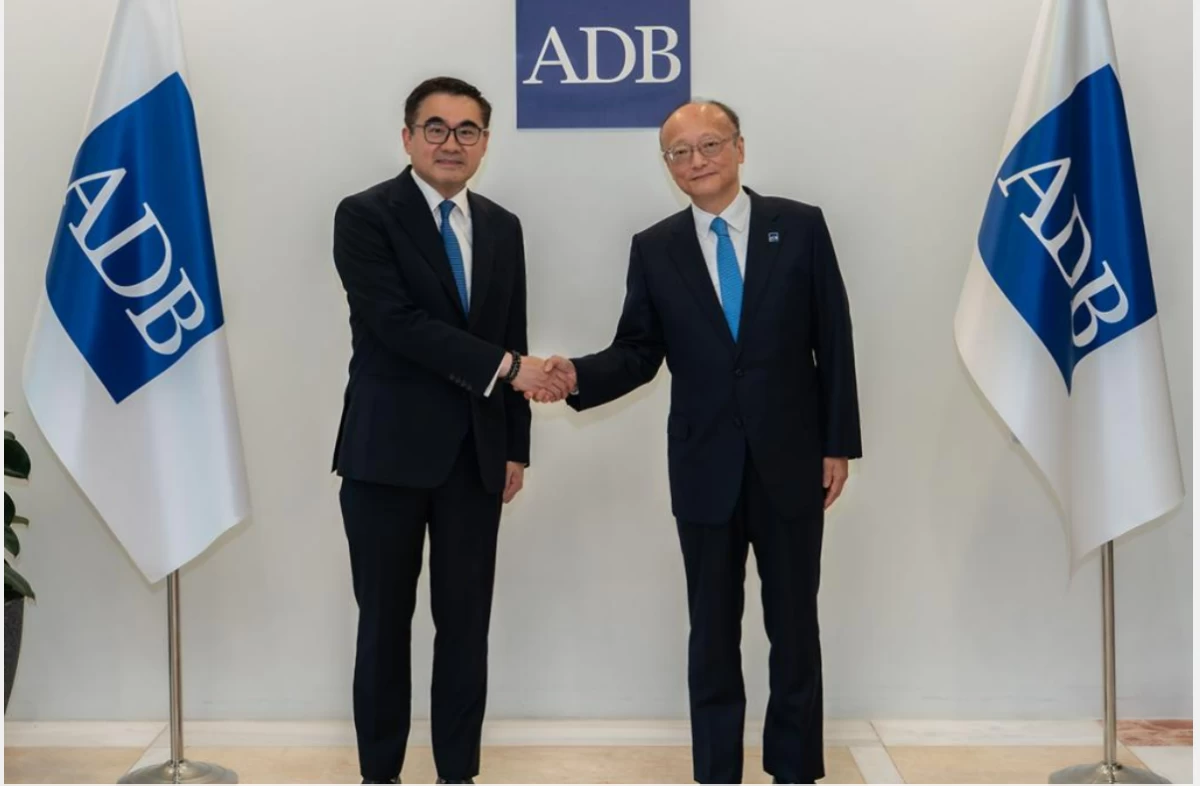
The Asian Development Bank and the International Atomic Energy Agency have formalized a partnership aimed at shaping how nuclear power enters the next phase of Asia-Pacific’s energy transition. The memorandum of understanding, signed in Manila by ADB President Masato Kanda and IAEA Director General Rafael Mariano Grossi, creates a structured collaboration that combines ADB’s financing and governance reach with the IAEA’s technical authority.

It is the first agreement of its kind between the IAEA and a regional development bank, and it comes at a moment when several emerging Asian economies are weighing nuclear power as a hedge against volatile fuel markets, rising electricity demand, and decarbonization pressures.

“With ADB’s updated energy policy recognizing nuclear power as an alternative to fossil fuels for baseload generation, this agreement ensures that developing member countries choosing this path do so with robust safeguards, strong governance, and a clear commitment to sustainability,” Mr. Kanda said. “We are committed to helping the region make informed choices that balance the need for energy access with the imperative of energy security and a sustainable future.”

Expanding Access to Nuclear Options, Including SMRs

The partnership lays out support for governments evaluating nuclear energy, from early planning to long-term project governance. This includes advisory work on next-generation technologies such as small modular reactors, which several economies view as potential complements to renewable expansion, rural electrification, and grid reliability efforts.

According to the agreement, both institutions will work with countries to assess nuclear feasibility within national energy strategies, strengthen regulatory systems, and incorporate best-practice controls across the fuel cycle and waste management. The IAEA’s role includes providing safety, security, safeguards, and stakeholder-engagement guidance to ensure decisions are grounded in international standards.

“Today’s agreement marks an important step forward. As ADB opens the door to financing nuclear power, we will move quickly to identify practical areas of collaboration that respond to rising energy needs of countries across the region,” Mr. Grossi said. “ADB’s new direction on nuclear financing and the IAEA’s technical leadership create a powerful combination. Our teams will now begin shaping concrete initiatives that deliver reliable, low-carbon energy and strengthen resilience for millions of people.”

Governance, Risk, and Regional Priorities

The shift is notable in a region where governments must manage rising climate exposure, constrained fiscal space, and the need to diversify power systems. For C-suite and investor audiences, the partnership signals that future nuclear development in Asia-Pacific will be tied to governance credibility, transparent decision-making, and higher expectations around operational risk management.

ADB’s involvement is especially significant given its historic stance on nuclear projects. By updating its energy policy and aligning with the IAEA, the bank is giving developing members a coordinated framework to evaluate nuclear alongside renewables, gas-transition strategies, and grid investments. The agreement places safeguards and public-engagement requirements at the center of project preparation, positioning nuclear not as a standalone solution but as one possible component of broader security and decarbonization portfolios.

Beyond Energy: Collaboration Extends to Plastics and Ocean Health

Before the signing ceremony, Mr. Kanda addressed the International High Level Forum on Nuclear Technology for Controlling Plastic Pollution, known as NUTEC Plastics, attended by Philippines President Ferdinand Marcos Jr. His remarks highlighted that the ADB–IAEA relationship extends beyond electricity systems. Both institutions are collaborating on initiatives that use nuclear science to protect ocean health and to address the region’s accelerating microplastics crisis.

This linkage matters for policymakers seeking to integrate environmental priorities across ministries. It also suggests that nuclear cooperation—often viewed solely through the lens of reactors and grid systems—can serve wider sustainability agendas.

RELATED ARTICLE: EMA and Asian Development Bank Partner to Promote Clean Energy

Technical Capacity and Long-Term Lifecycle Management

Under the new framework, ADB and the IAEA will coordinate on capacity building across the full nuclear lifecycle. This includes early-stage planning, fuel-cycle oversight, radioactive-waste strategies, and long-term asset management. The aim is to build institutional capability that persists beyond political cycles and withstands shifts in energy markets.

For investors, this reflects a maturing approach to nuclear governance in Asia-Pacific. Countries exploring these pathways will have access to structured support on regulatory architecture, financial planning, and risk controls, reducing uncertainties that have historically complicated nuclear investment.

Regional and Global Significance

Asia-Pacific’s electricity demand is projected to continue rising at one of the fastest rates globally. For many governments, the options to secure supply while reducing emissions are narrowing. Nuclear energy is returning to policy debates, but with sharper questions around cost, waste, public trust, and resilience in a climate-affected world.

The ADB–IAEA partnership places these issues within a more disciplined framework. It ties potential nuclear deployment to international safety rules, transparent governance, and stronger institutional capacity. It also signals to global markets that if nuclear power expands in the region, it will do so under conditions intended to manage risk, align with sustainability priorities, and support long-term climate objectives.

As the region navigates the next decade of energy demand, the partnership gives governments and investors a clearer structure for evaluating nuclear’s role in diversified, low-carbon systems—deepening the policy and technical groundwork for a transition that is increasingly shaped by energy security pressures and global climate commitments.

Follow ESG News on LinkedIn


Source link

Share. Facebook Twitter Pinterest Bluesky Threads Tumblr Telegram Email
omc_admin
  • Website

Related Posts

Tech And Finance Giants Back $100M Global Push To Cut Methane, Other Superpollutants

March 9, 2026

LSEG Launches New ESG Scoring Framework To Improve Transparency Across Global Markets

March 9, 2026

Envision Energy Secures $600M Sustainability-Linked Loan

March 9, 2026
Add A Comment
Leave A Reply Cancel Reply

Top Posts

Federal Reserve cuts key rate for first time this year

September 17, 202513 Views

Inflation or jobs: Federal Reserve officials are divided over competing concerns

August 14, 20259 Views

Cheap parcels from China will no longer be duty-free. Here’s what it means for buyers and sellers

May 1, 20259 Views
Don't Miss

G-7 ministers weigh emergency oil reserve release amid market turmoil

By omc_adminMarch 9, 2026

(Bloomberg) – Group of Seven finance ministers said they were ready to take any steps…

Woodside launches Trion drilling campaign in ultra-deepwater Gulf of Mexico

March 9, 2026

Saudi Arabia begins oil cuts as Hormuz shipping disruption worsens

March 9, 2026

Tech And Finance Giants Back $100M Global Push To Cut Methane, Other Superpollutants

March 9, 2026
Top Trending

Bill Gates’ TerraPower Gets Green Light to Build First U.S. Advanced Nuclear Reactor

By omc_adminMarch 9, 2026

Shellworks Raises $15 Million to Scale Plant-Based Biodegradable Plastic Packaging Alternative

By omc_adminMarch 9, 2026

HSBC Climate Tech Team Joins Sustainable Investment Firm Bridges

By omc_adminMarch 9, 2026
Most Popular

The 5 Best 65-Inch TVs of 2025

July 3, 202517 Views

AI’s Next Bottleneck Isn’t Just Chips — It’s the Power Grid: Goldman

November 14, 202514 Views

The Layoffs List of 2025: Meta, Microsoft, Block, and More

May 9, 202510 Views
Our Picks

Woodside launches Trion drilling campaign in ultra-deepwater Gulf of Mexico

March 9, 2026

Iran Names New Supreme Leader as Trump Downplays Oil Spike

March 9, 2026

USA Crude Oil Stocks Rise Week on Week

March 9, 2026

Subscribe to Updates

Subscribe to our newsletter and never miss our latest news

Subscribe my Newsletter for New Posts & tips Let's stay updated!

Facebook X (Twitter) Instagram Pinterest
  • Home
  • About Us
  • Advertise With Us
  • Contact Us
  • DMCA
  • Privacy Policy
  • Terms & Conditions
© 2026 oilmarketcap. Designed by oilmarketcap.

Type above and press Enter to search. Press Esc to cancel.


