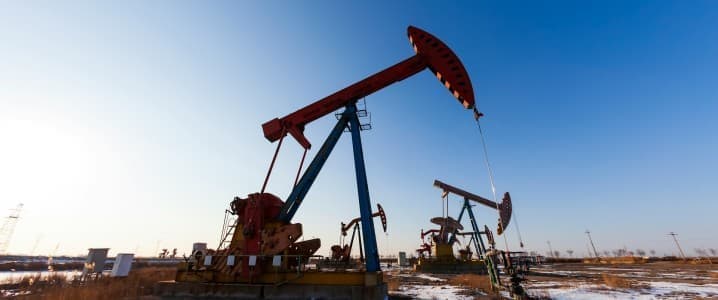
The intricate dance between energy security, geopolitical pressure, and global finance is once again taking center stage as Indian banks reportedly begin exploring mechanisms to facilitate payments for Russian oil. This development signals a potential pivot in India’s energy procurement strategy, which had seen a recent sharp withdrawal from Russian crude markets following intensified U.S. sanctions. For investors tracking the global oil trade, this isn’t merely a news item; it’s a critical indicator of shifting supply chains, evolving risk profiles, and the persistent quest for discounted barrels in an increasingly volatile market.
Indian Refiners Re-Evaluate Russian Crude Amid Sanctions Fallout
India, a nation with insatiable energy demand, has historically been a pragmatic player in the global oil market, prioritizing affordability and supply security. Earlier this year, before the latest round of sanctions, Russian crude constituted approximately one-third of India’s total oil imports, a testament to the attractive pricing offered by Moscow. However, the imposition of U.S. sanctions on major Russian producers and exporters like Rosneft and Lukoil sent shockwaves through the Indian refining sector. This led to a swift and decisive pull-back, with nearly all Indian refiners opting out of placing orders for Russian crude for December, unwilling to test the resolve of the U.S. Treasury on potential secondary sanctions. The risk of losing access to the vital U.S. financial system was simply too high. Now, the landscape is subtly shifting. Reports indicate that some Indian banks are actively drafting compliance frameworks, signaling a willingness to finance trades with non-sanctioned Russian entities, provided the transactions adhere strictly to sanctions-compliant pricing and payment protocols. These proposed payment channels would reportedly utilize alternative currencies such as UAE dirhams or Chinese yuan, bypassing the traditional dollar-denominated financial infrastructure.
Market Volatility and the Geopolitical Undercurrent
The current market environment underscores the fragility of global energy supply and the significant impact of geopolitical developments. As of today, Brent Crude trades at $94.55 per barrel, reflecting a 0.97% decrease within its daily range of $93.87 to $95.69. Similarly, WTI Crude stands at $86.33, down 1.25%, moving between $85.50 and $86.78. This minor daily dip masks a more significant trend: Brent crude has seen a substantial correction over the past two weeks, falling from $118.35 on March 31st to $94.86 on April 20th, a decline of nearly 20%. This steep drop highlights market sensitivity to perceived oversupply, demand concerns, and geopolitical maneuvering. The potential re-entry of Indian demand for Russian oil, even under strict compliance, could inject a degree of stability into Russian crude flows, preventing a further glut elsewhere and potentially offering some support to global prices by maintaining existing trade channels. Investors must recognize that while current prices reflect broader market sentiment, the re-establishment of these payment rails could fundamentally alter the geopolitical risk premium associated with certain crude streams, influencing long-term price trajectories and refiner profitability.
Investor Queries and Upcoming Market Catalysts
Our proprietary reader intent data reveals a palpable sense of uncertainty among investors regarding the future direction of oil prices. Common questions include “Is WTI going up or down?” and “What do you predict the price of oil per barrel will be by end of 2026?” This sentiment underscores the critical need for granular analysis of factors influencing supply and demand. Several upcoming energy events could serve as significant catalysts, shaping market expectations and, consequently, investment decisions. The OPEC+ Joint Ministerial Monitoring Committee (JMMC) Meeting on April 21st, for instance, is a pivotal event where producers will review market conditions and potentially adjust output strategies. Any decision to maintain or alter current production levels will directly impact global supply. Further insights will emerge from the EIA Weekly Petroleum Status Reports on April 22nd and April 29th, along with the API Weekly Crude Inventory updates on April 28th and May 5th, which provide crucial data on U.S. crude stocks and refinery activity. Moreover, the EIA Short-Term Energy Outlook on May 2nd will offer official forecasts that heavily influence investor sentiment. Against this backdrop, the ability of India to reliably source Russian crude could significantly alter demand projections for other suppliers, thereby impacting global benchmarks and the operational efficiency of refiners worldwide. Investors should closely monitor how these events intersect with the evolving situation in Indian-Russian oil trade.
The Compliance Tightrope: Risks and Opportunities for Investment
While the intent to resume Russian oil payments signals a renewed push for energy arbitrage by India, the practicalities are daunting. Indian banks and refiners are reportedly intensifying scrutiny to ensure only non-sanctioned entities, vessels, traders, and insurers are involved in any transaction. This “very difficult verification process” stems from years of complex mechanisms used to evade sanctions, making due diligence an arduous task. The primary risk remains severe: any perceived breach of U.S. sanctions could lead to devastating secondary sanctions, effectively cutting off Indian financial institutions and businesses from the U.S. dollar-based global financial system. For investors, this creates a complex risk-reward scenario. Companies successfully navigating this compliance maze could secure highly competitive crude pricing, boosting refining margins and profitability. However, the operational overheads for enhanced due diligence, the potential for reputational damage, and the ever-present threat of regulatory missteps introduce significant downside risk. We advise investors to scrutinize the compliance frameworks adopted by Indian refiners and their banking partners, assessing the robustness of their internal controls and their ability to withstand intense international scrutiny. The long-term viability of these payment mechanisms will hinge on their ironclad adherence to sanctions, making transparency and meticulous record-keeping paramount for all parties involved.


