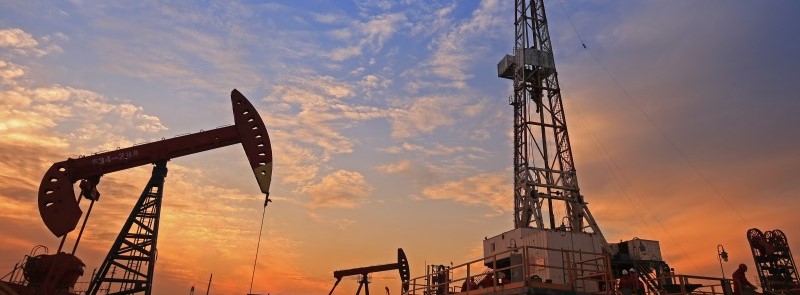
Diversified Energy’s recent completion of its $550 million acquisition of Canvas Energy marks a significant expansion in the Midcontinent, strategically bolstering its operated position in central Oklahoma. This transaction, which boosts Diversified’s daily production by approximately 13%, is more than just an asset transfer; it represents a calculated move to enhance scale, realize operational synergies, and optimize its portfolio amidst evolving market dynamics. For investors tracking the independent energy sector, understanding the underlying value, financing structure, and the broader market context of this deal is crucial to assessing Diversified’s trajectory and the potential impact on shareholder value.
Strategic Expansion in the Midcontinent: A Deep Dive
The acquisition of Canvas Energy injects a substantial operated position into Diversified’s portfolio, adding roughly 24 MMboed to its daily production. This represents a material increase in output, reinforcing Diversified’s focus on mature, cash-flowing assets. The deal encompasses approximately 1.6 million net acres across Oklahoma, providing both immediate production and an inventory of development locations, indicating a balanced approach between current yield and future growth optionality. With proved reserves estimated at 200 MMboe and a compelling PV-10 value of about $690 million, the assets demonstrate a clear economic rationale for the $550 million price tag. Management’s emphasis on capturing “meaningful annual run-rate synergies” from integrating these overlapping positions suggests a disciplined strategy aimed at maximizing efficiency and profitability, a hallmark of Diversified’s operational model.
Financing Prowess and Shareholder Structure
Diversified Energy’s approach to financing the Canvas acquisition is particularly noteworthy. The company secured $400 million through an asset-backed securitization (ABS XI), structured via a master trust and privately rated by Carlyle-managed funds and other co-investors. The “A” tranche notes, priced at a blended coupon of 5.97% and backed by an investment-grade rating, underscore a sophisticated and cost-effective method of leveraging existing assets to fund growth without undue strain on the balance sheet. This financing mechanism is often favored for its ability to isolate asset-specific cash flows, providing attractive terms. Beyond the debt component, Diversified also issued 3.72 million new shares to the former Canvas owners. These shares commenced trading on both the New York Stock Exchange and the London Stock Exchange on November 25, integrating new shareholders into Diversified’s capital structure. With these new shares, the company now reports 80.45 million common shares outstanding, a figure that investors will monitor closely for any potential dilution or changes in market capitalization following the integration of the new assets.
Navigating Volatile Markets: Current Price Realities
The completion of this significant acquisition occurs against a backdrop of notable volatility in global energy markets. As of today, Brent crude trades around $90.55, experiencing an 8.89% decline within a day’s range stretching from $86.08 to $98.97. WTI crude mirrors this downward pressure, priced at $83.07, also down 8.88% within its daily range of $78.97 to $90.34. This recent daily downturn follows a broader bearish trend for Brent, which has shed approximately $14, or 12.4%, over the past two weeks, moving from $112.57 on March 27 to $98.57 just yesterday. Such price fluctuations directly impact the realized value of Diversified’s newly acquired 24 MMboed production and could influence the current PV-10 valuation. Meanwhile, domestic gasoline prices, currently at $2.93 and down 5.18%, could signal shifts in consumer demand that might indirectly affect crude prices. Diversified’s strategy of acquiring mature, lower-decline assets with significant operational synergies is particularly well-suited to mitigate some of the risks associated with price volatility, as stable production and cost efficiencies become paramount in managing margins during softer market cycles.
Forward Outlook: Key Events and Investor Focus
Investors are understandably keen on anticipating future oil price movements, with many asking about predictions for the price of oil per barrel by the end of 2026. Another recurring inquiry revolves around OPEC+ current production quotas, highlighting the market’s sensitivity to supply-side decisions. These questions underscore the critical importance of upcoming calendar events that could shape the energy landscape. The immediate focus is on the OPEC+ Joint Ministerial Monitoring Committee (JMMC) meeting tomorrow, April 17, followed by the Full Ministerial meeting on April 18. Any announcements regarding production adjustments or compliance levels could significantly influence market sentiment and price direction, directly impacting the profitability of Diversified’s expanded asset base. Closer to Diversified’s operational footprint in the US, the API Weekly Crude Inventory reports on April 21 and April 28, along with the EIA Weekly Petroleum Status Reports on April 22 and April 29, will provide vital insights into domestic supply, demand, and inventory levels. Furthermore, the Baker Hughes Rig Count, scheduled for April 24 and May 1, will offer a crucial barometer of drilling activity and future production trends in the US onshore sector. Diversified’s stated “optionality for future portfolio optimization” will be highly responsive to these market signals, allowing the company to strategically adapt its development and divestment plans based on evolving price environments and regulatory landscapes.