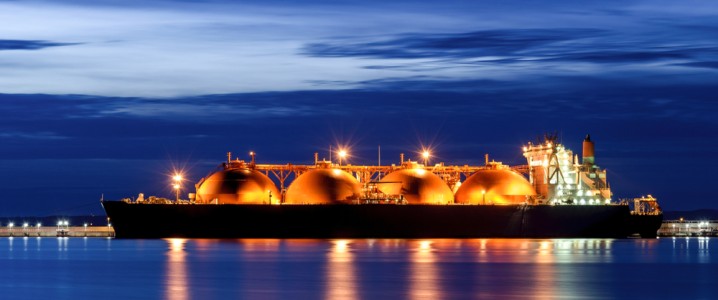
The global energy landscape continues to present a complex mosaic for investors, characterized by shifting demand centers and dynamic supply chain pressures. Amidst this volatility, the liquefied natural gas (LNG) shipping sector has emerged as a standout performer, with charter rates soaring to levels not seen in nearly two years. This sharp ascent is not merely a transient spike but signals a deeper structural realignment driven by robust U.S. export growth and strategic market positioning by traders, creating significant opportunities and challenges across the energy investment spectrum.
The Atlantic’s Tight Squeeze and Soaring Shipping Rates
The Atlantic Basin LNG shipping market is experiencing unprecedented tightness, driving spot charter rates for the crucial U.S. to Europe route to a remarkable $130,750 per day. This figure, representing a substantial 12% surge on Friday alone, marks the highest daily rate recorded since December 2023. The underlying catalysts for this dramatic rise are two-fold: an aggressive ramp-up in U.S. LNG export projects and a strategic decision by traders to leverage floating storage. Since October, freight rates have steadily climbed as more vessels are committed to ferrying super-chilled gas from the U.S. Gulf Coast to energy-hungry markets in Europe and Asia.
Adding to the demand for vessel capacity, the volume of LNG held in tankers on water has significantly increased. Traders, anticipating a potential price rally during the upcoming winter months, are opting to store fuel aboard vessels, positioning themselves to capitalize on higher prices as colder temperatures typically boost demand across the northern hemisphere. This proactive strategy further tightens the available fleet, pushing charter rates higher. While the broader crude market shows some retreat, with Brent trading at $90.55 today, reflecting an 8.89% decline from its opening, and WTI at $83.07, down 8.88%, the LNG shipping sector demonstrates a distinct bullish momentum. This daily dip in crude follows a two-week trend where Brent has shed over 12% of its value, moving from $112.57 on March 27th to $98.57 just yesterday. This divergence underscores the unique demand dynamics currently insulating LNG shipping from broader energy market softness, signaling a resilient segment for investors.
Shifting Global LNG Demand Dynamics and Regional Disparities
The surge in Atlantic LNG shipping rates is closely intertwined with a significant geographical shift in global LNG demand. Europe has emerged as a dominant force in the LNG market, substantially increasing its imports over the past year. In the first ten months of the year, European nations imported 101.38 million tons of LNG, marking a substantial increase of 16.75 million tons compared to the same period a year prior. This robust demand reflects ongoing efforts to diversify energy supplies and enhance energy security, particularly following geopolitical events that reshaped natural gas flows.
Conversely, Asia’s LNG import trajectory tells a different story. Over the same ten-month period, Asian imports of liquefied natural gas saw a decline of over 14 million tons year-on-year, totaling 225.8 million tons. China, historically a prodigious LNG importer, has been a primary driver of this trend, recording year-on-year import declines every month since November 2024. While specific domestic factors contribute to China’s reduced appetite, this regional divergence highlights the re-routing of global LNG trade flows, with a greater emphasis on Atlantic Basin exports meeting European demand. Despite this, Pacific LNG shipping rates have also seen a surge, reaching their highest level in over a year, though they currently remain below the $100,000 per day threshold.
Investor Focus: Navigating the LNG Shipping Boom Amidst Broader Energy Volatility
Investors are currently scrutinizing the broader energy complex, seeking clarity on future price trajectories and the impact of geopolitical and economic factors. Our internal data reveals that investors are actively seeking clarity on the future of oil prices, with a notable number of inquiries regarding predictions for crude per barrel by the end of 2026, and specific questions about OPEC+’s current production quotas. This intense focus on crude market fundamentals underscores the broader uncertainty, making the distinct bullish drivers in LNG shipping even more salient for portfolio strategists. Against this backdrop of crude market uncertainty, the robust fundamentals driving LNG shipping rates offer a compelling counter-narrative, highlighting a segment with distinct demand drivers.
Strategic investors are keenly awaiting the outcomes of the OPEC+ Joint Ministerial Monitoring Committee (JMMC) meeting tomorrow, April 17th, followed by the full Ministerial meeting on April 18th. These gatherings are critical for understanding future crude production policies, which, while not directly impacting LNG, significantly shape the broader energy sentiment and capital allocation decisions. Weekly inventory reports from API and EIA, due April 21st and 22nd respectively, will offer fresh insights into crude and product balances, further informing market participants. Additionally, the Baker Hughes Rig Count, scheduled for April 24th and May 1st, provides a pulse check on upstream activity. While these upcoming events primarily center on crude, their collective impact on the overall energy market narrative can influence investment flows into adjacent sectors like LNG, particularly as investors seek segments demonstrating clear growth and robust demand signals in an otherwise mixed environment.
The Outlook for LNG Shipping: Sustained Demand and Strategic Positioning
The current dynamics suggest that the upward pressure on LNG shipping rates is likely to persist in the near to medium term. The continued ramp-up of U.S. LNG export capacity, coupled with Europe’s sustained need for diversified gas supplies, forms a strong demand floor for vessel utilization. Furthermore, the strategic use of floating storage by traders, a tactic that ties up vessels for extended periods, will continue to limit available tonnage and support high charter rates, particularly as the market approaches the northern hemisphere winter when demand typically peaks.
For investors, this environment presents clear opportunities in companies with significant exposure to LNG shipping assets. Higher charter rates directly translate to improved profitability for vessel owners and operators. However, it also raises questions about newbuild capacity and the long-term supply-demand balance of the global LNG fleet. Companies that have strategically positioned themselves with modern, efficient vessels and long-term charters are best placed to capitalize on these trends. The enduring shift in global energy flows, with the Atlantic Basin playing an increasingly central role in LNG supply, solidifies the strategic importance of this sector within the broader oil and gas investment landscape. As global energy transitions unfold, the agility and resilience of the LNG supply chain, anchored by its shipping infrastructure, will remain a critical determinant of energy security and market stability.


