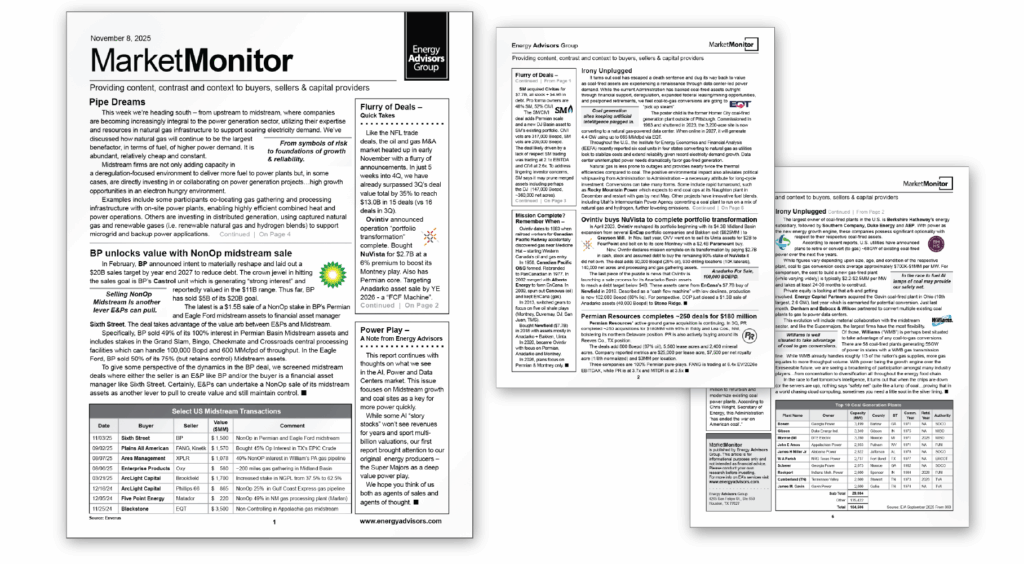
The energy landscape is undergoing a profound transformation, driven by an insatiable demand for power from artificial intelligence and burgeoning data centers. This surge isn’t just a fleeting trend; it represents a fundamental shift in energy consumption patterns that positions traditional oil and gas companies, often overlooked in the hype cycle, as critical enablers of the digital future. While “story-metric” AI firms capture headlines with multi-billion-dollar valuations often devoid of immediate revenue, the bedrock of their existence relies on a constant, reliable power supply – a domain where the energy sector has decades of expertise. This analysis delves into how SuperMajors and the midstream sector are strategically pivoting to capitalize on this immense opportunity, leveraging their existing infrastructure and expertise to become indispensable players in the AI power grab, all against a backdrop of dynamic market conditions.
SuperMajors: Powering the Digital Revolution
For years, the narrative around SuperMajors focused on their traditional roles in exploration and production. However, as the energy transition gains momentum and AI’s power needs escalate, these giants are demonstrating remarkable agility, re-establishing their relevance as direct power generators. Natural gas, with its abundance, competitive pricing, and dispatchable nature, has emerged as the preferred fuel for meeting the U.S.’s escalating electricity demands. Confirming this strategic pivot, industry giant Chevron recently announced a significant gas-fired power generation project in West Texas. This ambitious undertaking, initially slated for 2.5 GW and expandable to a massive 5.0 GW, is a clear signal of the attractive returns available in this nascent market. Crucially for investors, the necessary equipment for Chevron’s project is already secured, targeting a startup in 2027, underscoring both the speed and commitment with which these established players are moving into the power sector.
Midstream’s Strategic Pivot: Beyond Transportation
Beyond the SuperMajors, the midstream sector is rapidly emerging as a central player in meeting the nation’s accelerating power needs. Historically focused on transporting fuels, these companies are now extending their reach, becoming direct contributors to power generation and critical grid stability. The insight from industry observers is clear: midstream operators are quietly evolving into the utility-like backbone of power growth, layering a robust, power-related growth engine onto their dependable, yield-oriented businesses. Companies are responding by expanding capacity in deregulated markets and investing directly in generation assets, strengthening their strategic positioning. This includes co-locating gathering systems with power plants for highly efficient combined heat and power operations, and pursuing distributed generation projects utilizing conventional natural gas, renewable natural gas (RNG), and even hydrogen blends. The scale of this opportunity is substantial; gas-fired demand from AI data centers alone could add up to 3.3 Bcf/d of incremental load by 2030. Major players like Williams, Energy Transfer, Kinder Morgan, and Enbridge have already begun allocating billions toward new or expanded gas-fired generation capacity. Williams, for instance, a critical transporter of roughly one-third of the nation’s natural gas, has earmarked over 75% of its 2025 capital expenditure for growth initiatives, and recently committed an additional $3 billion to enhance its gas-fired power generation capacity.
Navigating Volatility: Market Signals and Investor Focus
While the long-term structural demand from AI provides a compelling investment thesis, investors must remain keenly aware of current market dynamics. As of today, Brent crude trades at $90.17, marking a significant 9.28% dip from its daily high, with its range spanning $86.08 to $98.97. Similarly, WTI crude has seen a substantial decline of 9.83%, settling at $82.21 after trading between $78.97 and $90.34. This daily drop extends a broader trend, with Brent having declined by $14, or 12.4%, from $112.57 on March 27th to $98.57 just yesterday. Such volatility naturally prompts investor questions, with many asking about the factors influencing oil prices and their trajectory, particularly with queries like “what do you predict the price of oil per barrel will be by end of 2026?” and “What are OPEC+ current production quotas?”
The immediate future holds several key events that will shape market sentiment. The upcoming OPEC+ Joint Ministerial Monitoring Committee (JMMC) meeting on April 17th, followed by the Full Ministerial meeting on April 18th, will be closely watched for any indications of changes to current production quotas. These decisions directly impact global supply and can introduce significant price fluctuations. Furthermore, the API Weekly Crude Inventory reports (April 21st, 28th) and the EIA Weekly Petroleum Status Reports (April 22nd, 29th) will provide crucial insights into U.S. supply and demand balances, offering clearer signals on inventory levels and refinery activity. For investors evaluating the long-term outlook and anticipating end-of-year price levels, these upcoming reports, alongside the Baker Hughes Rig Count on April 24th and May 1st, will offer vital data points to contextualize the prevailing market volatility against the backdrop of increasing industrial demand for natural gas.
Strategic Repurposing: Coal-to-Gas Conversions and Future Growth
Another strategic avenue for expanding power generation, particularly relevant for its efficiency and existing infrastructure, lies in the repurposing of retired or soon-to-be-retired coal-fired power plants. With over 68 GW of coal capacity slated for retirement or conversion within the next five years, these sites present an attractive opportunity for rapid redevelopment. The irony is not lost on seasoned energy investors: former bastions of coal power are now prime candidates for conversion to modern, efficient natural gas-fired facilities. The primary advantage of these sites is their existing transmission interconnects and ample acreage, which significantly de-risks and accelerates the development timeline for new power generation. This approach bypasses the often-lengthy and complex processes of securing new land and grid connections, allowing for quicker deployment of much-needed capacity. By leveraging existing infrastructure, traditional energy companies can efficiently bring more reliable, gas-fired power online, directly addressing the growing demands of AI data centers and reinforcing their role as indispensable architects of the evolving energy landscape. This strategic repurposing underscores the adaptability and forward-thinking approach of the oil and gas sector in meeting future power challenges.