The energy investment landscape is in constant flux, a dynamic environment where immediate market volatility often competes with the long-term promise of innovative technologies. A recent demonstration by RWE Power, a key partner in the ECO2Fuel project, offers a compelling glimpse into the future of sustainable energy, specifically in the critical area of backup power generation. This breakthrough involves the successful demonstration of a novel method for producing environmentally friendly synthetic fuels, or e-fuels, through a closed-loop carbon cycle. For investors navigating an increasingly complex market, this development represents a tangible step towards decarbonized energy systems, potentially creating new avenues for growth even as traditional oil and gas markets face their own immediate pressures.
The Evolving Landscape of Backup Power and Decarbonization
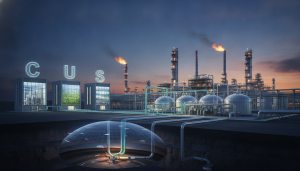
RWE Power’s site demonstration at its Innovation Centre in Niederaussem marks a significant milestone in the quest for sustainable energy solutions. Utilizing a stationary diesel genset with an electrical output of 200 kW, the project successfully showcased the generation of backup power from synthetic fuels. Crucially, the exhaust gases from this engine are directed to a carbon capture pilot plant, which employs an amine-based chemical process to capture carbon dioxide. This plant has demonstrated impressive efficiency, capturing 7.2 tonnes of CO2 per day with rates consistently above 90%, and at times exceeding 99.8%. This captured CO2 is then repurposed as a raw material for the ECO2Fuel demonstrator, which is designed to have a 1 MW capacity and produce carbon-based e-fuels. These e-fuels can subsequently be reused in the engine, effectively closing the carbon loop and replacing fossil carbon with recycled carbon, thereby avoiding emissions from conventional fossil feedstocks.
This innovative process stands out because it does not rely on hydrogen or other critical raw materials, addressing supply chain concerns and potential cost escalations that plague other green energy initiatives. Furthermore, the project targets an attractive system CAPEX of 400–600 €/kW, which could make e-fuel production genuinely cost-competitive. The high-temperature exhaust gas from the engine is also being studied for potential reuse in heating, further enhancing overall energy efficiency. This holistic approach to energy generation, capture, and reuse positions e-fuels as a viable long-duration alternative to batteries for backup power, especially during extended periods of low renewable output, a critical challenge in a fully decarbonized grid.
Navigating Volatility: Traditional Crude vs. Future Fuels
While the long-term outlook for e-fuels brightens, the immediate landscape for traditional crude remains characterized by significant volatility. As of today, Brent crude trades at $89.81 per barrel, marking a sharp decline of 9.64% within the day, having ranged from $86.08 to $98.97. Similarly, WTI crude has experienced a notable drop of 9.97% to $82.08, oscillating between $78.97 and $90.34. Gasoline prices have also seen a significant dip, falling 5.5% to $2.92, with a daily range of $2.82 to $3.1. This recent downturn extends a broader trend for Brent, which has fallen from $112.57 just fourteen days ago on March 27th to $98.57 yesterday, representing a $14 or 12.4% decrease.
Such pronounced swings in commodity prices underscore the inherent risks and opportunities in the conventional oil and gas sector. For investors, this volatility highlights the strategic importance of diversifying portfolios with assets that offer a hedge against fossil fuel price fluctuations and increasing regulatory pressures. The development of cost-competitive e-fuels, as demonstrated by RWE, provides a compelling counter-narrative to the short-term crude market gyrations, pointing towards a future where energy sources are more localized, circular, and less susceptible to geopolitical and supply chain shocks. This juxtaposition of immediate market headwinds and long-term technological promise is central to informed energy investment decisions today.
Strategic Implications and Upcoming Market Catalysts
The strategic importance of RWE’s e-fuel innovation gains further clarity when viewed against the backdrop of upcoming market catalysts for the traditional energy sector. Over the next fourteen days, several critical events are poised to influence crude oil prices and broader investor sentiment. The OPEC+ Joint Ministerial Monitoring Committee (JMMC) meeting tomorrow, April 17th, followed by the full Ministerial OPEC+ meeting on April 18th, will be closely watched for any signals regarding production quotas. Any decisions from these gatherings could significantly impact global crude supply and, consequently, price stability. Following these, the API Weekly Crude Inventory reports on April 21st and 28th, alongside the EIA Weekly Petroleum Status Reports on April 22nd and 29th, will provide crucial insights into U.S. supply and demand dynamics. Additionally, the Baker Hughes Rig Count on April 24th and May 1st will offer a snapshot of drilling activity and future production trends.
While these events directly concern the traditional oil market, their outcomes implicitly shape the attractiveness of alternative energy investments. Persistent volatility or renewed supply concerns stemming from OPEC+ decisions, or unexpected inventory shifts, could accelerate the transition towards more stable, domestically sourced, and carbon-neutral fuels. The regulatory environment, particularly within the EU, provides a strong tailwind for projects like ECO2Fuel. Initiatives such as the EU’s Green Deal, the Net-Zero Industry Act, and the Renewable Energy Directive actively promote the development and deployment of sustainable energy technologies, offering financial incentives and policy support that can de-risk early-stage investments in e-fuel production and carbon capture. This confluence of market dynamics and policy support creates a fertile ground for growth in the advanced fuels sector.
Addressing Investor Concerns: Long-Term Outlook for Energy Investment
Our proprietary reader intent data reveals a clear focus among investors on the long-term trajectory of the energy market. Questions regarding “what the price of oil per barrel will be by end of 2026” and inquiries about “OPEC+ current production quotas” highlight a pervasive concern for future market stability and the enduring role of traditional producers. RWE’s advancements in e-fuel production offer a strategic response to these very uncertainties. By demonstrating a viable path to producing synthetic fuels without reliance on critical raw materials and with a closed carbon loop, this technology provides a hedge against the unpredictability of fossil fuel prices and the increasing stringency of carbon regulations.
Investors are seeking not just short-term gains but sustainable growth avenues, and projects like ECO2Fuel represent a significant shift in the investment paradigm. The ability to produce e-fuels for not only backup power but also as starting materials for synthetic aviation and transport fuels opens up vast market potential. This expands investment beyond conventional upstream exploration and production into high-tech manufacturing, carbon capture infrastructure, and the circular economy. The long-term vision of a circular energy system, where fossil carbon is continually replaced by recycled carbon, aligns perfectly with global decarbonization goals and offers a more resilient energy future. For astute investors, identifying and supporting these transformative technologies now could yield substantial returns as the global energy transition accelerates and new value chains emerge.