Brazil’s Green Grid Draws Significant European Capital: A Blueprint for Energy Investors
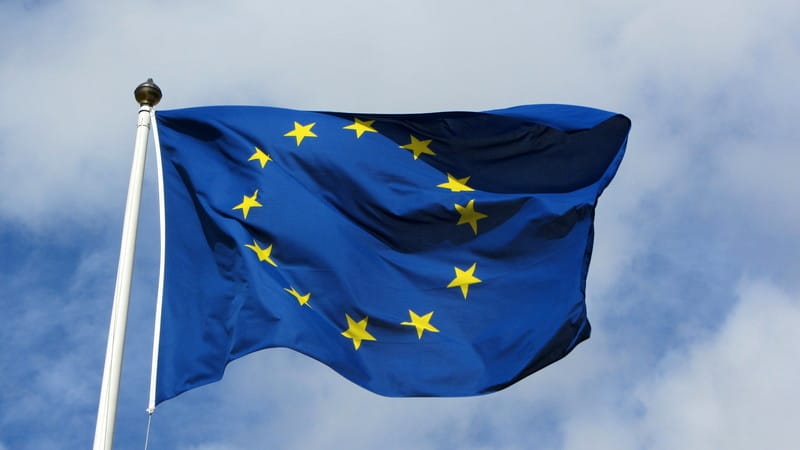
The global energy landscape continues its dynamic shift, with significant capital increasingly flowing into renewable infrastructure, even as traditional oil and gas markets navigate persistent volatility. A prime example of this strategic pivot is the recent €300 million ($327 million) green loan from the European Investment Bank (EIB) to Neoenergia, earmarked for a substantial modernization of Bahia’s electricity distribution network in Brazil. This landmark financing package not only underscores the accelerating drive towards decarbonization but also offers a compelling case study for investors seeking resilient, long-term growth opportunities outside conventional fossil fuel plays. For astute energy investors, understanding the strategic implications of such investments, particularly against a backdrop of fluctuating crude prices and an evolving regulatory environment, is paramount to optimizing portfolio performance.
Bahia’s Grid Modernization: A Cornerstone of Brazil’s Energy Transition
Neoenergia’s ambitious project to upgrade Bahia’s electricity distribution network, backed by a robust €300 million ($327 million) from the EIB, represents more than just a capital injection; it’s a foundational element in Brazil’s broader energy transition. This investment targets a critical region, serving over six million customers across 415 municipalities in Brazil’s fifth-largest state. The financing is designed to expand distribution lines, accommodate new consumer connections, and integrate advanced automation equipment, all essential for enhancing grid resilience and efficiency. Crucially, the project aligns directly with Brazil’s national goals for decarbonization and energy efficiency through 2030, which emphasize integrating new renewable resources and digitalizing infrastructure. Bahia itself is a hub for wind and solar development, making a robust distribution system vital to absorb future clean energy capacity and prevent bottlenecks. The EIB’s involvement, part of its broader strategy to boost energy investments in Latin America and the EU’s Global Gateway program (targeting €300 billion in clean and digital infrastructure financing by 2027), highlights the international recognition of Brazil’s renewable potential and the stringent environmental and technical due diligence met by Neoenergia, qualifying it for highly attractive financing terms typically reserved for a select few.
Navigating Crude Volatility: Green Infrastructure as a Strategic Hedge
For many oil and gas investors, the recent volatility in crude markets has prompted a re-evaluation of portfolio diversification strategies. As of today, Brent crude trades at $90.38, reflecting a significant 9.07% daily decline. This marks a sharp drop from its March 30th peak of $112.78, representing a substantial 19.9% reduction in less than three weeks. Similarly, WTI crude has experienced considerable fluctuation, currently sitting at $82.59, down 9.41% for the day. This price action creates uncertainty, with many investors grappling with the short-term direction of crude prices and seeking clarity on whether WTI is poised for gains or further declines. Against this backdrop, investments in stable, long-term infrastructure projects like Neoenergia’s grid modernization offer a distinct risk profile. While traditional upstream oil and gas investments are directly exposed to the ebb and flow of global commodity prices, regulated utility assets and essential green infrastructure projects provide more predictable revenue streams and are often less susceptible to the immediate swings of crude benchmarks. For investors forecasting the price of oil per barrel by the end of 2026, the appeal of a diversified portfolio that includes such resilient, decarbonization-aligned assets becomes increasingly clear, offering a potential hedge against the inherent unpredictability of the global oil market.
Upcoming Market Catalysts and Long-Term Energy Shifts
The broader energy market is poised for several key events in the coming weeks that will undoubtedly influence short-term sentiment and commodity prices, indirectly shaping investment decisions across the entire energy spectrum. Upcoming on April 19th and 20th are the critical OPEC+ JMMC and Ministerial Meetings. These gatherings are closely watched for any indications of production adjustments, which could significantly impact crude supply and price stability. Following these, the API Weekly Crude Inventory reports on April 21st and 28th, alongside the EIA Weekly Petroleum Status Reports on April 22nd and 29th, will provide crucial insights into U.S. supply and demand dynamics. Additionally, the Baker Hughes Rig Count on April 24th and May 1st will offer a gauge of drilling activity, indicating future production trends. While these events primarily affect crude markets, their outcomes can influence capital allocation. A period of heightened crude price volatility, potentially exacerbated by OPEC+ decisions or inventory surprises, may steer more capital towards the relative stability and growth potential of green infrastructure. The EIB’s commitment to Neoenergia, notably announced during the COP30 summit, underscores a strategic long-term alignment between international finance and Brazil’s climate objectives, signaling that the momentum for sustainable energy investments is building, irrespective of short-term crude market gyrations.
Investor Focus: Balancing Traditional and Transformative Energy Opportunities
The questions we are seeing from our investor base reflect a clear focus on understanding the future trajectory of energy markets. Beyond immediate price concerns for WTI and end-of-year oil price predictions, there’s a growing appetite for understanding the underlying data and strategic shifts driving the sector. The Neoenergia-EIB partnership serves as a compelling answer to some of these deeper questions, illustrating how significant capital is being deployed into transformative energy projects. For investors seeking long-term value, these types of grid modernization efforts, backed by international development banks and aligned with national decarbonization goals, present an attractive investment thesis. They offer exposure to a growing sector that benefits from strong regulatory support, increasing demand for reliable clean energy, and a lower correlation to geopolitical risks that often plague traditional oil and gas. While traditional oil and gas will remain a vital component of the global energy mix for the foreseeable future, the accelerating trend of large-scale, de-risked investments in green infrastructure, such as the €300 million flowing into Brazil’s grid, indicates a clear path for portfolio diversification and growth in the evolving energy landscape.


