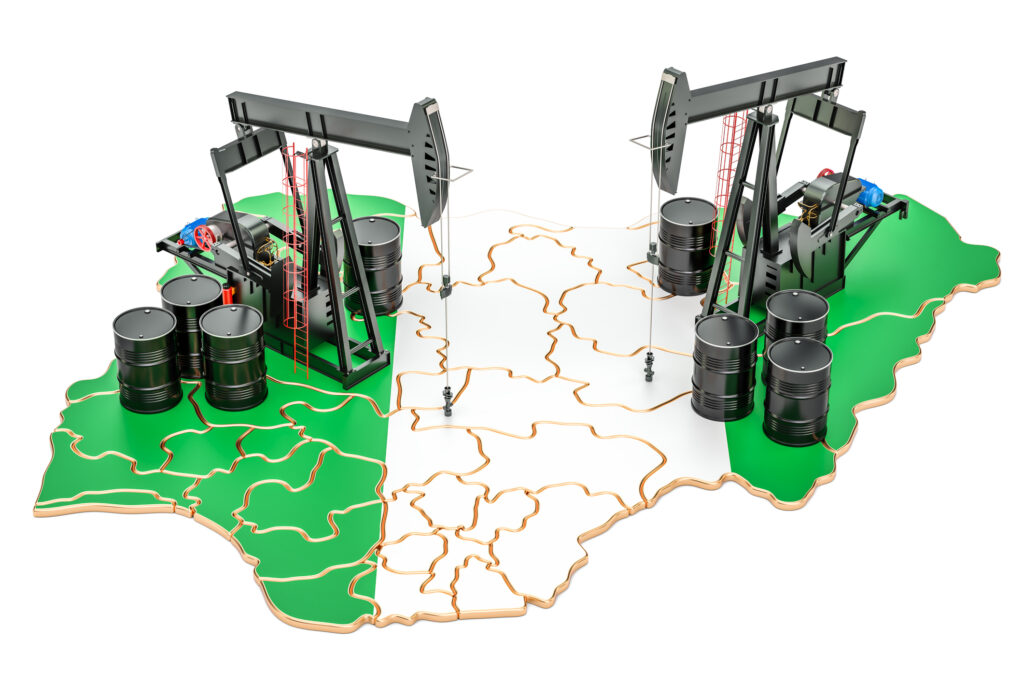
Nigeria’s Upstream Resurgence: A Deep Dive for Energy Investors
Nigeria is signaling a significant revitalization of its upstream oil and gas sector, with ambitious plans to unlock substantial new supply and attract billions in fresh investment. This renewed focus comes at a pivotal time for global energy markets, where supply stability and diversification remain key concerns for investors. The West African nation’s initiatives, backed by recent legislative reforms and concrete project approvals, present a compelling narrative for those seeking growth opportunities in the evolving energy landscape. Our analysis delves into the specifics of these developments, examining their potential impact against a backdrop of fluctuating crude prices and shifting investor priorities.
Unlocking New Reserves: Billions in Barrels and Trillions in Gas
The Nigerian Upstream Petroleum Regulatory Commission (NUPRC) has recently approved 43 field development plans, a move poised to unlock an estimated 1.7 billion barrels of new oil supply alongside a staggering 7.7 trillion cubic feet of natural gas. This represents a monumental commitment to expanding Nigeria’s hydrocarbon production capabilities, backed by an impressive $20 billion in pledged investments. Such figures underscore the vast untapped potential within the country’s basins and the renewed governmental resolve to monetize these resources.
Further cementing this trajectory, three Final Investment Decisions (FIDs) have been made this year, committing an additional $7.5 billion. These include Shell’s Bonga North project, securing $5 billion, and its HI Gas Project with $2 billion, alongside TotalEnergies’ Ubeta Gas project at $500 million. These FIDs alone are set to contribute approximately 2 trillion cubic feet of new natural gas supply, highlighting a balanced strategy that recognizes the growing global demand for gas as a transition fuel. For investors, these specific project commitments offer tangible evidence of progress, moving beyond mere policy announcements to actionable development.
Navigating Market Headwinds: Nigeria’s Role Amidst Price Volatility
Nigeria’s push for increased production arrives at a dynamic moment for the global oil market. As of today, Brent crude trades at $90.38 per barrel, marking a significant 9.07% daily decline. Similarly, WTI crude is priced at $82.59, down 9.41% within the day. This recent dip follows a broader trend; our proprietary data indicates Brent has fallen by nearly 20% over the past two weeks, from $112.78 on March 30th to its current level. Such volatility underscores the market’s sensitivity to supply-demand signals, geopolitical events, and macroeconomic indicators. Gasoline prices have also seen a decline, currently at $2.93, down 5.18%.
Our analysis of investor sentiment reveals a keen focus on the future trajectory of oil prices and the strategic decisions of major producers. Investors are actively asking about the predicted price of oil per barrel by the end of 2026, and critically, about current OPEC+ production quotas. Nigeria, as a significant OPEC+ member, plays a delicate balancing act. Its ambitious production targets—aiming for 2 million barrels daily within two years and 3 million barrels daily by 2030 from the current 1.7-1.83 million barrels daily—will need to be aligned with or influence OPEC+ agreements. Increased output from Nigeria could provide a crucial supply buffer, potentially easing price pressures in the long term, but also necessitates careful coordination within the cartel. For investors, monitoring how Nigeria’s rising output integrates with OPEC+ strategy will be key to understanding future market dynamics.
Addressing Structural Challenges: Reforms and Security
For years, Nigeria’s upstream sector has grappled with significant challenges, notably oil theft and pipeline vandalism, which have severely deterred investment and impacted production. An audit commissioned by Nigeria’s parliament revealed interim losses of approximately $300 billion due to these illicit activities, a figure that could climb higher. This systemic issue, coupled with a strategic shift by some supermajors away from Nigerian assets in favor of other global opportunities, contributed to a decline in production and investor confidence.
However, the administration of President Bola Tinubu has initiated crucial legislative reforms aimed at stimulating investments and is actively prosecuting those involved in pipeline theft and vandalism. These efforts are designed to create a more secure and predictable operating environment, essential for attracting and retaining the substantial capital required for these new field developments. The success of these security and policy reforms will be a critical determinant in whether Nigeria can truly reverse its production trends and meet its ambitious targets. Investors will be closely watching for sustained improvements in operational security and the rule of law, as these factors directly impact project viability and returns.
Forward Momentum: Key Dates and Production Catalysts
Looking ahead, the next few weeks hold several critical events that could shape the near-term outlook for the energy sector, and by extension, for Nigeria’s investment attractiveness. The upcoming OPEC+ Joint Ministerial Monitoring Committee (JMMC) Meeting on April 19th, followed by the full OPEC+ Ministerial Meeting on April 20th, will be crucial. Decisions made regarding production quotas could significantly influence the strategic context for Nigeria’s planned output increases. Any adjustments to collective output levels will directly impact the global supply narrative into which Nigeria aims to inject substantial new volumes.
Beyond OPEC+, regular data releases will continue to inform market sentiment. The API Weekly Crude Inventory (April 21st, April 28th) and the EIA Weekly Petroleum Status Report (April 22nd, April 29th) provide vital snapshots of U.S. supply and demand. Furthermore, the Baker Hughes Rig Count (April 24th, May 1st) will offer insights into North American drilling activity. For Nigeria, the successful execution of its recently approved field development plans and the sustained commitment to the $20 billion investment, alongside the $7.5 billion FIDs, represent the real catalysts. If Nigeria can consistently deliver on these fronts, while effectively mitigating historical security challenges, it could transform into a more reliable and attractive destination for long-term energy capital, fundamentally shifting its position in the global supply matrix and providing substantial upside for discerning investors.