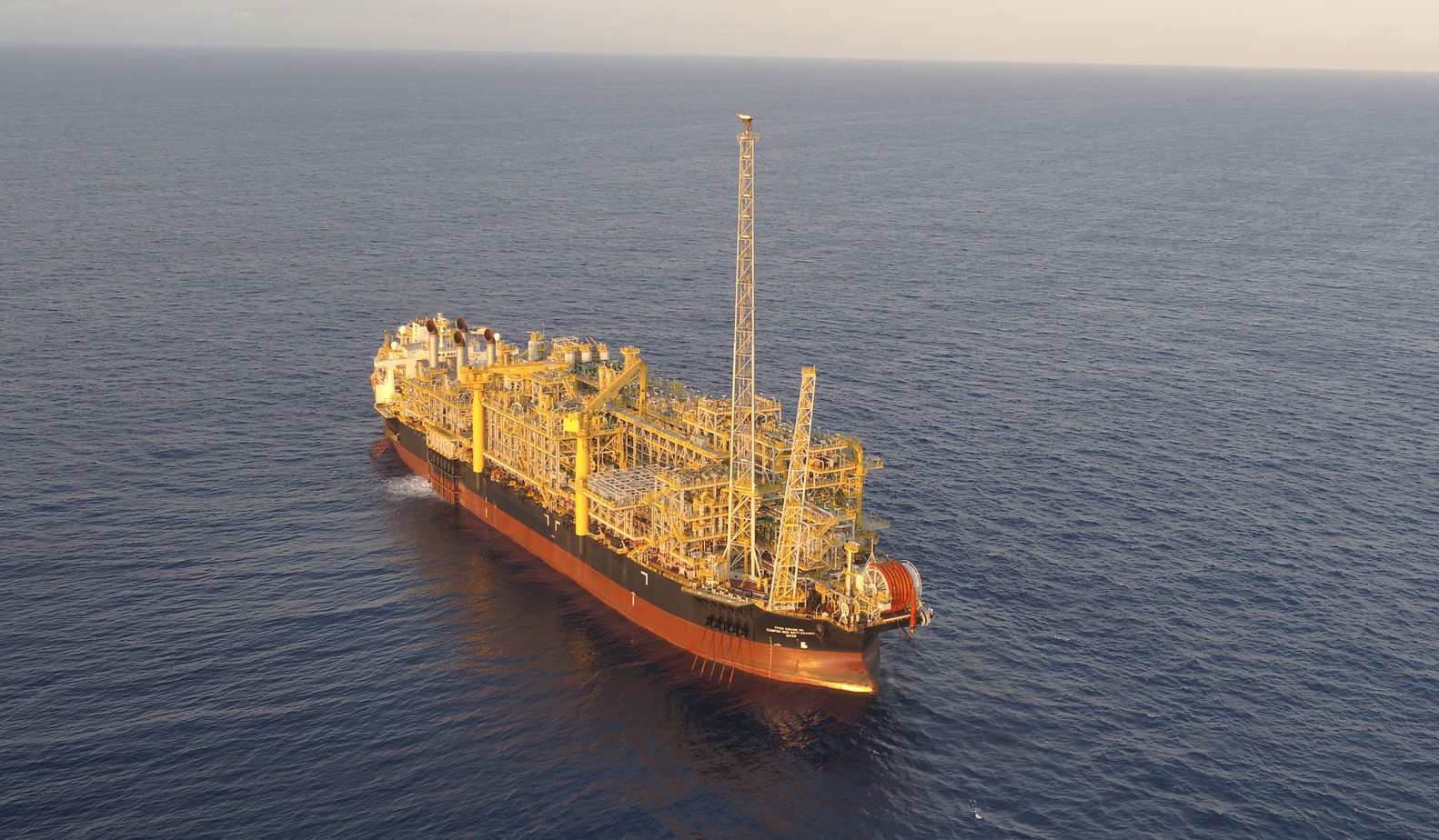
The recent contract award to TMC Compressors by MODEC for the FPSO Gato do Mato project offshore Brazil signals a deeper trend in the energy investment landscape: a persistent, strategic commitment to deepwater production despite short-term market volatility. This isn’t just a supplier deal; it’s a reaffirmation of Brazil’s pivotal role in future global oil supply and the critical importance of reliable, maintainable technology for remote, high-value assets. For investors, understanding the implications of such agreements, particularly within the context of fluctuating crude prices and an evolving geopolitical environment, is key to identifying long-term value in the energy sector.
Brazil’s Deepwater: A Strategic Anchor for Oil & Gas Investment
The Gato do Mato FPSO, destined for operation approximately 200 km from shore in water depths of 2,000 meters, underscores the significant capital and technological commitment required for deepwater developments. With an anticipated oil production capacity of 120,000 barrels per day, this project represents a substantial addition to global supply once operational. The consortium behind it – comprising Shell (50% operator), Ecopetrol (30%), and TotalEnergies (20%), with PPSA managing the contract – highlights the collaborative, high-stakes nature of such ventures. For investors, these projects offer exposure to long-life assets with predictable production profiles, providing a degree of stability against the backdrop of more erratic onshore or unconventional plays. The selection of TMC, a long-standing partner to MODEC, further emphasizes the preference for proven reliability and reduced operational risk in these challenging environments. This commitment to deepwater Brazil suggests major players are looking well beyond the next quarter, signaling confidence in sustained long-term oil demand.
Navigating Volatility: Strategic Offshore Plays Amidst Market Swings
The current market environment provides a stark reminder of the inherent volatility in crude prices, making strategic investments in long-term, resilient projects even more critical. As of today, Brent Crude trades at $90.38, having experienced a notable intraday decline of 9.07%, fluctuating between $86.08 and $98.97. Similarly, WTI Crude stands at $82.59, down 9.41% within the same period, with a daily range of $78.97 to $90.34. This immediate downturn follows a broader trend, with Brent having fallen by $22.4, or nearly 20%, from $112.78 on March 30th to its current level. Such rapid price movements often lead investors to question the future trajectory of oil, with many asking what the price of oil per barrel will be by the end of 2026. While short-term forecasts remain challenging, investments in robust deepwater infrastructure like the Gato do Mato FPSO serve as a hedge against this volatility. Companies backing these projects are betting on a foundational demand for crude that transcends temporary price dips, focusing on the long-term cash flow generation from assets designed to operate for decades. The emphasis on high reliability and easy onboard maintenance for TMC’s compressors directly addresses the need to minimize downtime and operating costs, enhancing project economics regardless of daily price fluctuations.
The Critical Role of FPSO Technology and Supplier Resilience
The FPSO (Floating Production, Storage, and Offloading) unit is the backbone of deepwater production, and the choice of equipment suppliers like TMC is paramount. TMC’s contract to supply a large-capacity marine compressed air system, consisting of multiple compressors for control and service air, underscores the intricate technical requirements of these vessels. A key differentiator highlighted by TMC’s Director of Sales and Business Development, Hans-Petter Tanum, is the design for easy maintenance by offshore crew, eliminating the need for external service technicians. This feature is not merely a convenience; for a facility operating 200 km offshore, it directly translates into reduced operating expenses and significantly minimized downtime – a crucial factor for projects with multi-billion-dollar price tags. The fact that TMC has a long-standing collaboration with MODEC, having supplied systems for multiple previous FPSOs, speaks volumes about the value placed on proven performance and trust within this specialized industry. Investors recognize that the longevity and profitability of an FPSO project are heavily reliant on the operational efficiency and resilience of its core components, making supplier relationships built on decades of reliability a valuable asset.
Forward Outlook: Project Timelines and Market Catalysts
While the Gato do Mato FPSO project represents a long-term commitment, the broader energy market is highly sensitive to immediate catalysts. Investors are keenly watching upcoming events that could influence short-to-medium term sentiment and crude prices. The OPEC+ Joint Ministerial Monitoring Committee (JMMC) Meeting on April 19th, followed by the full OPEC+ Ministerial Meeting on April 20th, are critical dates. Potential adjustments to production quotas, a frequent topic of investor inquiry, could trigger significant market shifts. Furthermore, weekly data releases such as the API Weekly Crude Inventory (April 21st, April 28th), the EIA Weekly Petroleum Status Report (April 22nd, April 29th), and the Baker Hughes Rig Count (April 24th, May 1st) provide ongoing insights into supply, demand, and drilling activity. For long-term investors in deepwater projects, these events offer opportunities to gauge market sentiment and position portfolios. While the Gato do Mato FPSO will take years to complete and install, the sustained investment in such projects, even amidst immediate market dynamics, confirms a strategic vision for continued oil and gas production well into the next decade. This balance of short-term market monitoring and long-term project commitment is essential for navigating the complex energy investment landscape.