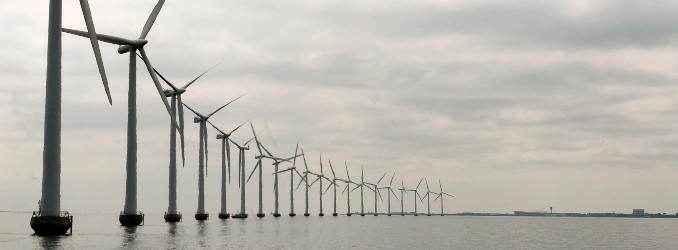
Shell’s recent decision to withdraw from two significant offshore wind projects off the coast of Scotland serves as a stark reminder of the rigorous capital discipline now driving strategic decisions across the global energy sector. This move, which saw Shell return the lease for the CampionWind farm to Crown Estate Scotland after becoming its sole owner, underscores a pragmatic shift by energy majors, prioritizing shareholder returns and project viability over an unbridled pursuit of energy transition initiatives. The underlying cause: a dramatic surge in development costs, particularly for nascent floating offshore wind technology, forcing a re-evaluation of long-term capital commitments in the renewables space.
Shell’s Strategic Retreat: A Sign of Renewed Capital Discipline
The announcement that Shell has pulled back from its involvement in the CampionWind and MarramWind projects in Scotland is not an isolated incident but rather a clear signal of the company’s evolving investment philosophy under Chief Executive Officer Wael Sawan. After initially securing leases for these sites in a competitive 2022 auction, the economic landscape for offshore wind has changed considerably. Costs for development, construction, and specialized floating technologies have escalated sharply, making certain projects less attractive. Shell’s decision to exit CampionWind, despite substantial pre-investment work, highlights a firm commitment to allocating capital towards ventures that promise more immediate and reliable returns. This strategic pivot aligns with earlier moves, including the cancellation of a U.S. offshore wind project, indicating a broader re-calibration of Shell’s energy transition portfolio. While its former joint venture partner, ScottishPower Renewables, continues to advance the larger 3-gigawatt MarramWind project, Shell’s calculated withdrawal speaks volumes about the increasingly stringent financial hurdles facing large-scale renewable energy developments.
Navigating Volatility: Market Prices Dictate Investment Flows
The broader energy market context provides critical insight into Shell’s capital reallocation. As of today, Brent Crude trades at $90.38, reflecting a significant daily decline of 9.07%, with prices ranging between $86.08 and $98.97. Similarly, WTI Crude stands at $82.59, down 9.41%. This immediate market volatility follows a pronounced downward trend for Brent, which has fallen from $112.78 on March 30th to its current $90.38 – a nearly 20% drop in just over two weeks. Such swings in crude prices inevitably influence the attractiveness of long-cycle, capital-intensive projects across the energy spectrum, including offshore wind. When core oil and gas revenues face pressure, the appetite for high-cost, emerging technologies like floating wind diminishes. Shell’s renewed focus on its traditional hydrocarbon strengths, which generate substantial cash flows even at lower price points, becomes a logical strategic choice in a market demanding greater financial resilience. The current market snapshot reinforces the premium on capital efficiency and profitability, directly impacting where energy majors choose to deploy their significant investment capabilities.
Investor Concerns: Balancing Profitability with Energy Transition
Our proprietary reader intent data reveals a clear focus among investors on the performance of integrated energy companies and the future trajectory of oil prices. Questions such as “How well do you think Repsol will end in April 2026?” and “What do you predict the price of oil per barrel will be by end of 2026?” underscore a desire for clarity on profitability and long-term market stability. Shell’s withdrawal from the Scottish wind projects directly addresses these concerns. By divesting from high-cost, lower-return renewable ventures, Shell signals its intent to optimize its portfolio for enhanced financial performance. This strategic shift is about ensuring robust cash generation from its core upstream and integrated gas businesses, which are better positioned to weather price volatility and deliver shareholder value. Investors are seeking companies that can adapt to dynamic market conditions while maintaining a strong balance sheet and predictable earnings. Shell’s move, therefore, is a pragmatic response to investor calls for greater capital discipline and a more realistic pace for the energy transition within a supermajor’s portfolio.
The Road Ahead: O&G Fundamentals and Upcoming Market Movers
Shell’s re-emphasis on its core oil and gas operations means that upcoming market events will take on even greater significance for the company’s outlook. Critically, the OPEC+ Joint Ministerial Monitoring Committee (JMMC) Meeting is scheduled for April 19th, followed by the full OPEC+ Ministerial Meeting on April 20th. These gatherings will determine future production quotas, directly impacting global supply dynamics and, consequently, crude oil prices. For an integrated major like Shell, these decisions are paramount to its upstream profitability and overall revenue streams. Furthermore, the regular cadence of market data releases, including the API Weekly Crude Inventory (April 21st, April 28th) and the EIA Weekly Petroleum Status Report (April 22nd, April 29th), will offer timely insights into U.S. supply and demand balances. The Baker Hughes Rig Count on April 24th and May 1st will provide a pulse on drilling activity and future production capacity. As Shell sharpens its focus on conventional energy, these fundamental market indicators become even more central to its investment thesis and operational planning, guiding capital allocation decisions in an increasingly competitive and cost-sensitive environment.