The Salton Sea: A Looming Regulatory Headache for California Energy Investors
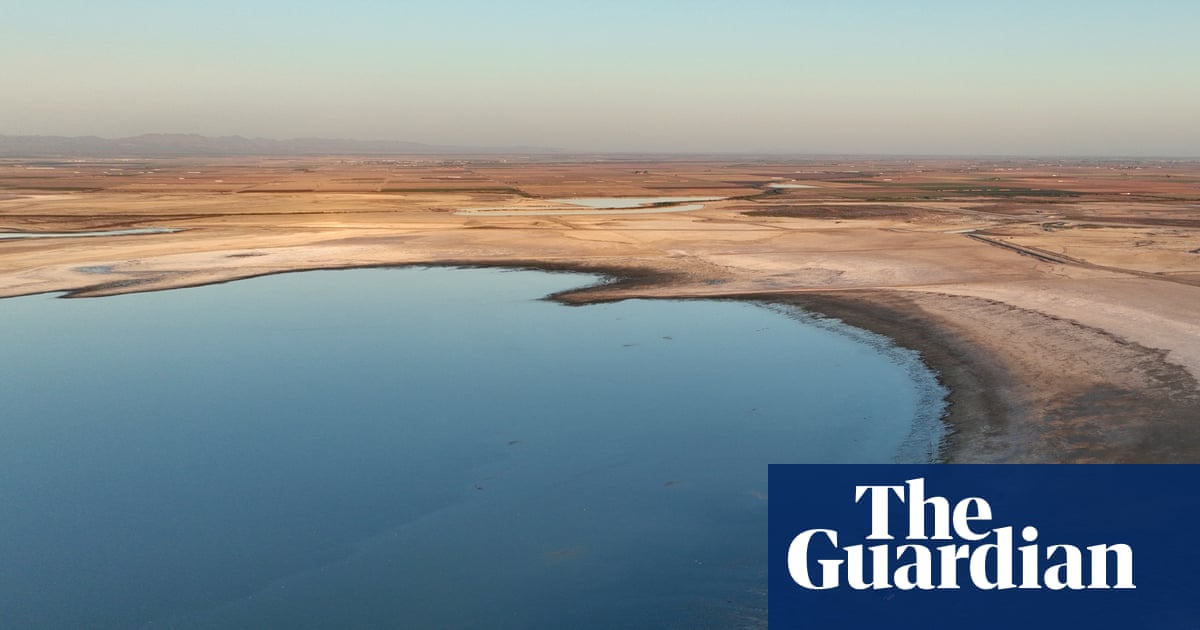
The Salton Sea, California’s largest lake, is rapidly receding, exposing vast stretches of chemical-laden seabed that are now a source of toxic dust. While this environmental and public health crisis might seem geographically distant from the core concerns of global oil and gas markets, its implications for investors with exposure in California — or indeed, any region grappling with acute environmental degradation — are significant. New peer-reviewed research from the University of California, Irvine, and the University of California, Riverside, paints a grim picture of the health impacts, particularly on children, and unequivocally links poorer lung function and altered lung microbiomes to dust exposure. For energy investors, this escalating crisis signals a potential increase in regulatory scrutiny, operational costs, and a heightened risk premium for projects within the state, demanding a proactive re-evaluation of regional portfolio exposure.
Escalating Environmental Liability: A New Precedent for California Operations
The scientific consensus is clear: the drying Salton Sea is generating a substantial public health crisis. Studies highlight that children in surrounding communities are experiencing measurable harm to their lungs, with effects likened to “dust bowl pneumonia.” This isn’t merely an environmental issue; it’s a multi-faceted problem driven by the confluence of climate change, poor water resource management (exacerbated by the drying Colorado River), and inadequate regulation of pesticide use on adjacent agricultural lands. The exposed lakebed teems with pesticide chemicals, fertilizer nutrients, and dangerous naturally occurring heavy metals like arsenic, all now airborne. While similar issues have been observed at Utah’s Great Salt Lake, the Salton Sea’s specific cocktail of contaminants and the clear, quantifiable health impacts on a largely low-income population could set a potent precedent for regulatory action in California. This kind of environmental liability, once firmly established by scientific evidence, often translates into legislative mandates, stricter permitting processes, and potentially costly remediation requirements that can impact any industry with a footprint in the state, including energy infrastructure, water-intensive operations, or land-use permits.
Market Volatility Meets Regional Risk: The California Investment Calculus
Against a backdrop of fluctuating global energy prices, localized environmental crises like the Salton Sea can introduce an underappreciated layer of regional risk. As of today, Brent crude trades at $90.38, marking a significant 9.07% decline within the day, while WTI crude follows suit at $82.59, down 9.41%. This immediate market movement reflects broader supply-demand dynamics and geopolitical sentiment. Looking at the past two weeks, Brent has fallen from $112.78 to its current $90.38, a nearly 20% drop. In such a volatile environment, any additional uncertainty, even if geographically specific, can amplify investor caution and potentially increase the cost of capital for projects in affected regions. While the Salton Sea isn’t directly dictating global crude prices, it contributes to an overall perception of regulatory and operational complexity in California. Investors must consider how this intensifying environmental and public health crisis could translate into increased permitting delays, stricter environmental impact assessments, or even direct financial liabilities for companies operating within the state, thereby influencing asset valuations and investment attractiveness, particularly for long-term infrastructure projects.
Investor Focus on Macro, But Micro Risks Matter: Lessons from the Salton Sea
Our proprietary investor intent data reveals that many are keenly focused on macro drivers, asking questions like “What do you predict the price of oil per barrel will be by end of 2026?” and “What are OPEC+ current production quotas?”. These questions underscore a primary concern with global supply-demand balances and geopolitical influences. However, savvy investors understand that while these factors drive broad market movements, idiosyncratic regional risks can significantly impact specific portfolios. The Salton Sea crisis serves as a critical reminder that environmental, social, and governance (ESG) factors are not abstract concepts but tangible liabilities. While an investor might be analyzing the potential performance of a company like Repsol in April 2026, understanding its exposure to regions with escalating environmental challenges becomes paramount. The cost of failing to address such issues can erode asset value, necessitate costly mitigation efforts, and even threaten a company’s social license to operate. The Salton Sea is a prime example of how localized environmental degradation, backed by robust scientific evidence, can evolve into a long-term regulatory and financial burden, regardless of global oil prices.
Upcoming Regulatory Watchpoints and the Salton Sea’s Policy Horizon
While the immediate energy calendar focuses on critical events like the OPEC+ JMMC Meeting on April 19th, the OPEC+ Ministerial Meeting on April 20th, and the recurring API and EIA Weekly Petroleum Status Reports (April 21st/22nd and April 28th/29th), which will undoubtedly influence short-term market sentiment, investors must also keep a vigilant eye on longer-term regulatory trends. The compelling new research on the Salton Sea’s health impacts creates an undeniable impetus for action from California state authorities. While we don’t have specific legislative dates on our immediate calendar, the scientific findings will almost certainly catalyze discussions around new water management policies, land remediation strategies, and potentially stricter environmental regulations for industries operating in the region. These policy shifts, though not tied to a specific date in our upcoming energy events, represent a crucial forward-looking risk. For companies with significant operations in California, including those involved in oil and gas production, refining, or midstream infrastructure, these developments could translate into increased compliance costs, delays in project approvals, or even mandates for water conservation and dust mitigation efforts. Proactive investors will integrate these evolving regional environmental liabilities into their risk assessments, understanding that today’s scientific findings often become tomorrow’s regulatory reality.


