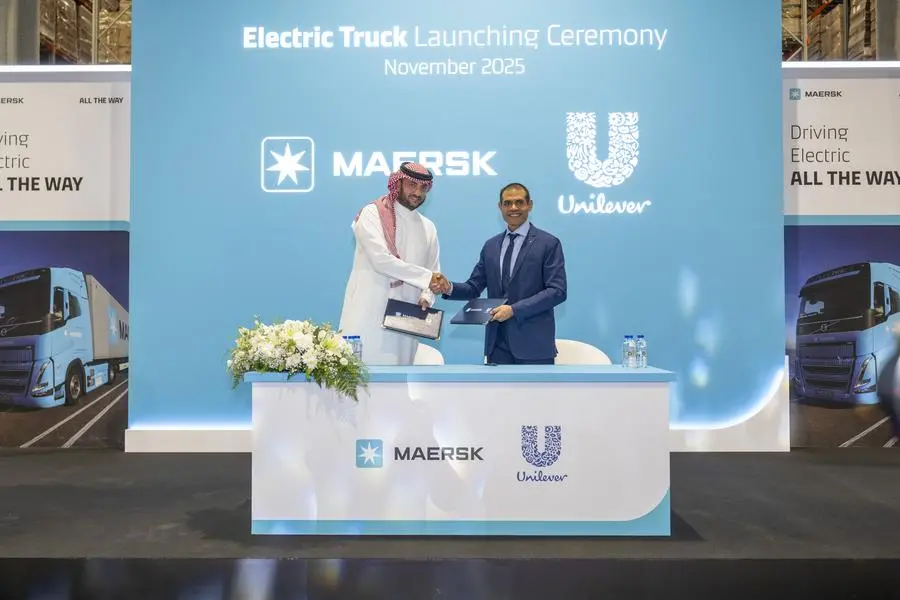
The launch of Saudi Arabia’s first electric delivery van, orchestrated by global logistics giant Maersk and consumer goods titan Unilever in Jeddah, might seem like a niche operational update. However, for astute investors in the oil and gas sector, this seemingly small development carries significant weight, signaling a deeper, accelerating shift in global oil demand dynamics. This initiative, nestled in the heart of the world’s largest crude exporter, underscores Saudi Arabia’s serious commitment to its Vision 2030 decarbonization goals and the practical manifestation of corporate net-zero pledges. It’s a tangible example of how the energy transition is not just a Western phenomenon but is taking root in the very regions that have historically fueled the world.
Saudi Arabia’s Green Pivot: A Demand Erosion Signal
The new electric vehicle (EV) operating from Maersk’s Jeddah Logistics Park is more than just a zero-emission delivery solution; it’s a blueprint for sustainable logistics infrastructure. This EV is powered by a colossal 64,000-square-meter rooftop solar plant, complemented by an energy-efficient cooling system utilizing natural refrigerants instead of conventional potable water systems. This self-sufficient, low-carbon ecosystem demonstrates a practical 100% reduction in emissions compared to a traditional diesel truck for its operations. Covering up to 3,500 kilometers per month within a 50-kilometer delivery radius, this van will initially serve Unilever’s retail network with the BinDawood Group, providing a tangible model for scalable adoption across the Kingdom.
This initiative directly supports Saudi Vision 2030, which targets an ambitious reduction of 278 million tonnes of carbon emissions annually and aims to meet half of the national power demand through renewable energy. For investors, this isn’t merely a symbolic gesture. It represents a clear strategic imperative from a nation heavily reliant on oil revenues, indicating that even the most entrenched oil producers are actively seeking pathways to diversify their energy mix and reduce domestic hydrocarbon consumption. Such developments suggest a long-term erosion of in-country oil demand, a critical factor for global supply-demand balances.
Current Market Volatility Meets Structural Shifts
The immediate market sentiment provides a stark contrast to the long-term structural changes exemplified by Saudi’s EV adoption. As of today, Brent crude trades at $87.49 per barrel, marking a significant drop of almost 12% in a single trading session, with WTI following closely at $79.99, down over 12%. This sharp decline comes after a two-week period where Brent had already shed $14, falling from $112.57 on March 27th to $98.57 just yesterday, April 16th. Gasoline prices are also feeling the pressure, currently at $2.85, a decrease of nearly 8% today. This immediate volatility, driven by a complex interplay of macroeconomic concerns, geopolitical tensions, and supply expectations, often overshadows the more gradual, yet profound, shifts in underlying demand.
Many investors are currently asking what to predict for oil prices by the end of 2026. While short-term price movements are heavily influenced by inventory reports and geopolitical headlines, the slow but steady decarbonization of transportation and logistics, even in oil-rich regions, creates a persistent headwind for long-term demand growth. Each EV deployed, each solar panel installed to power it, chips away at petroleum consumption. These micro-level changes, when aggregated globally, are the foundational elements shaping the future trajectory of oil demand and, consequently, long-term price expectations, irrespective of day-to-day market swings.
Corporate Decarbonization: A Global Logistics Overhaul
The Jeddah EV launch is not an isolated event but a local manifestation of sweeping global corporate commitments. Maersk, for instance, has pledged to achieve net-zero emissions across its global supply chain by 2040, a target that necessitates extensive electrification, adoption of sustainable fuels, and technological innovation. Unilever is even more ambitious, aiming for net-zero by 2039. These aren’t just aspirational goals; they are driving tangible, on-the-ground changes in operations and procurement. The consolidation of multiple warehouses into a single fulfillment center at Jeddah’s Logistics Park, prior to the EV launch, already reduced logistics emissions by 5%.
Maersk’s existing low-emission trucking and logistics solutions across 14 countries, including major markets like China, India, the United States, and several European and Latin American nations, underscore the systemic nature of this transition. For oil and gas investors, this signifies a crucial shift in purchasing patterns from major corporate clients. As more companies electrify their fleets and power their logistics with renewables, the demand for traditional petroleum-based fuels in the transportation and industrial sectors will continue to diminish. This trend will inevitably impact the revenue streams of refining and marketing segments, necessitating strategic adaptation and diversification for traditional energy companies.
Navigating Short-Term Signals Amidst Long-Term Trajectories
Investors must balance the immediate drivers of crude oil prices with the accelerating pace of energy transition. The market is keenly awaiting the OPEC+ Joint Ministerial Monitoring Committee (JMMC) meeting tomorrow, April 17th, followed by the full Ministerial meeting on April 18th. These meetings are critical for setting the immediate supply outlook, with many investors asking about OPEC+ current production quotas and their potential impact on price stability. Decisions made during these sessions, alongside weekly data points like the API Weekly Crude Inventory (due April 21st and 28th) and the EIA Weekly Petroleum Status Report (April 22nd and 29th), as well as the Baker Hughes Rig Count (April 24th and May 1st), will dictate short-term market movements.
However, the Saudi EV development reminds us that while OPEC+ manages the supply side, demand-side erosion continues its march. Even if OPEC+ maintains tight supply, sustained demand destruction from initiatives like the Jeddah EV van adds persistent, structural downward pressure over the long term. Oil and gas investors must therefore look beyond cyclical rallies and short-term supply cuts. The strategic pivot by a major oil producer like Saudi Arabia, coupled with robust corporate decarbonization mandates, signals a fundamental re-rating of long-term oil demand. Companies that fail to adapt their portfolios towards lower-carbon energy solutions or diversify their revenue streams risk being left behind in this evolving energy landscape.


