Australia, a critical player in global energy and resource markets, is currently grappling with proposed environmental law reforms that threaten to cast a long shadow over future energy project development. The ongoing political deadlock surrounding the overhaul of the Environment Protection and Biodiversity Conservation (EPBC) Act introduces significant regulatory uncertainty, a factor that can deter the substantial, long-cycle capital investments characteristic of the oil and gas sector. For investors eyeing the Australian landscape, understanding the nuances of this legislative battle is paramount, as the outcome will directly influence the viability and profitability of new ventures, from gas fields to critical mineral extraction.
Regulatory Overhaul: A Crucible for Capital
The proposed 1,400-page bill to reform the EPBC Act represents a seismic shift in Australia’s environmental regulatory framework. At its core, the legislation introduces new hurdles for project approvals, notably an “unacceptable impact” test and a requirement for large-scale projects to disclose projected greenhouse gas emissions as part of their application. These provisions, while aimed at strengthening environmental protections, are viewed by the industry as potential roadblocks, adding layers of complexity, cost, and delay to already intricate development processes. The Business Council of Australia and various industry groups have vocalized concerns that the current draft could paint a “grim picture for jobs, investment and productivity.” For oil and gas investors, this translates directly into increased project risk, making it harder to secure financing and delaying returns on capital. The legislative push to pass these laws before the parliamentary recess on November 27th, following a truncated 25-day Senate inquiry, only intensifies the pressure and the potential for a rushed, imperfect outcome.
Political Stalemate Amidst Market Volatility
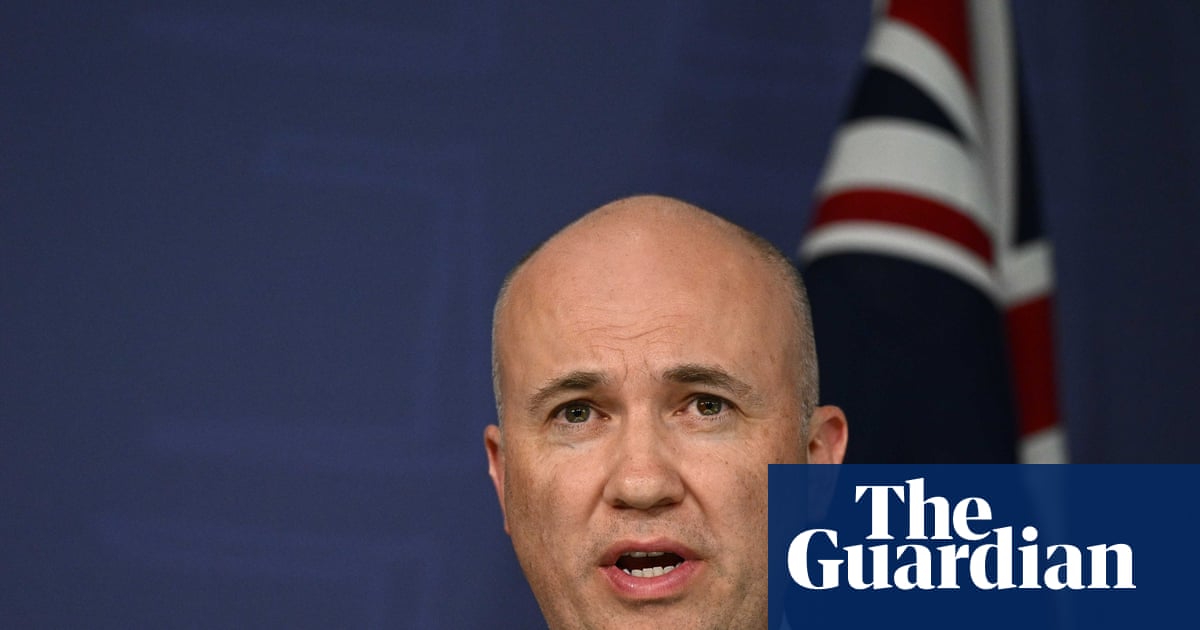
The path to legislative reform is fraught with political division. Labor, led by Environment Minister Murray Watt, aims to push the bill through swiftly, emphasizing a “now or never” urgency to align with the recommendations of the Samuel review from five years prior. However, neither the Coalition nor the Greens support the bill in its current form, necessitating concessions to avoid a repeat of past legislative failures. Key sticking points include the “unacceptable impact” test and the GHG emissions disclosure requirement, which the opposition seeks to remove. Compounding the complexity is internal dissent within Labor regarding a controversial new power that would allow the minister to approve projects in breach of nature laws if deemed in the “national interest.”
This domestic political struggle unfolds against a backdrop of significant global market volatility. As of today, Brent Crude trades at $90.38, reflecting a substantial daily decline of 9.07%, having seen its price fall from $112.78 just 14 days ago. WTI Crude mirrors this trend, standing at $82.59, down 9.41% on the day. Gasoline prices have also dipped to $2.93. This sharp downturn, following a period of sustained high prices, underscores the inherent unpredictability of energy markets. In such an environment, regulatory certainty from major resource-producing nations like Australia becomes even more critical. Investors are already navigating a challenging price landscape, making any additional policy-induced risk a significant deterrent to committing capital to new projects.
Investor Questions and the Quest for Long-Term Predictability
Our proprietary market intelligence reveals that investors are deeply focused on long-term oil price trajectories, with common queries including “what do you predict the price of oil per barrel will be by end of 2026?” This forward-looking perspective highlights a fundamental need for predictable operating environments. The ongoing political wrangling over Australia’s environmental laws directly impacts this long-term view. The uncertainty surrounding project approvals, potential delays, and increased compliance costs influences supply forecasts, which in turn feed into price predictions.
The business community, including prominent figures like former New South Wales Liberal treasurer Matt Kean, is “crying out for certainty.” Major oil and gas projects require multi-year planning horizons and billions in upfront capital. The lack of clarity on environmental regulations creates an untenable risk profile, potentially diverting investment to regions with more stable and predictable permitting processes. While global supply dynamics, such as OPEC+ production quotas (another frequent investor question), certainly shape the immediate market, the long-term flow of capital into new Australian energy projects will hinge significantly on the resolution of this legislative uncertainty. Without a clear, balanced framework, Australia risks stifling its own energy development potential, impacting its future role as a reliable global supplier.
Navigating Upcoming Events and Policy Risks
While global energy markets will be closely watching a series of upcoming events, including the OPEC+ JMMC Meeting on April 19th and the Ministerial Meeting on April 20th, alongside weekly API and EIA inventory reports (April 21st and 22nd, respectively) and the Baker Hughes Rig Count (April 24th), these events primarily address short-to-medium-term supply and demand dynamics. For investors in Australian energy projects, however, the domestic policy landscape presents a more enduring and potentially disruptive risk factor.
The urgency to pass the EPBC Act reforms before the November 27th parliamentary recess means that the coming weeks are critical. Should the legislation pass in a form that industry perceives as overly restrictive or ambiguous, it could significantly chill new investment in Australia’s oil, gas, and even critical minerals sectors. This would not only impact Australia’s economic growth and job creation but could also have broader implications for global energy security and diversification of supply. Conversely, a bipartisan resolution that provides both environmental protection and regulatory certainty could unlock significant capital, positioning Australia to capitalize on future energy demand. Investors must therefore closely monitor the political negotiations, as the outcome will be a key determinant of Australia’s attractiveness as an energy investment destination for years to come.


