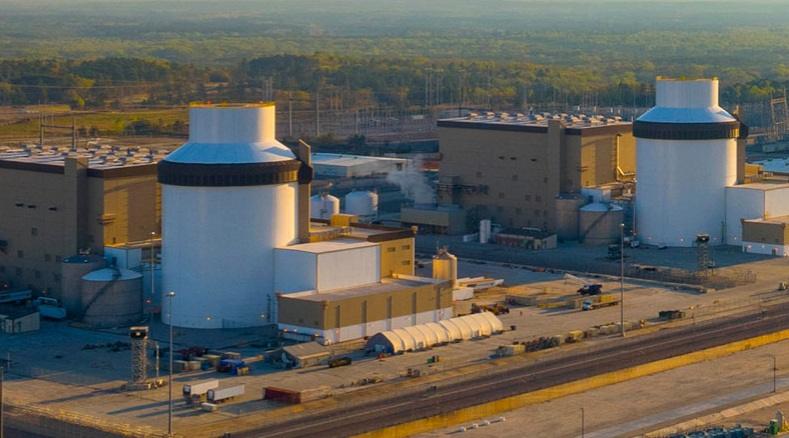
A monumental shift in the U.S. energy landscape is underway, with Brookfield Asset Management, uranium fuel provider Cameco, and their jointly-owned nuclear technology company Westinghouse Electric announcing an $80 billion strategic partnership with the U.S. Government. This ambitious initiative is designed to accelerate the deployment of nuclear reactors across the nation, directly addressing the soaring energy demands of Artificial Intelligence infrastructure, bolstering energy independence, and fortifying national security. For investors navigating a volatile energy market, this colossal commitment to nuclear power presents a compelling, long-term opportunity distinct from the traditional fossil fuel narrative.
The Nuclear Renaissance: Powering the AI Future
The core of this partnership lies in the planned construction of at least $80 billion worth of new nuclear reactors throughout the United States. This substantial investment leverages Westinghouse’s advanced nuclear reactor technology, including its proven AP1000 Pressurized Water Reactor and the innovative AP300 Small Modular Reactor (SMR). The strategic impetus behind this move is multifaceted: the burgeoning energy requirements of AI data centers, which demand immense, uninterruptible power supplies; the imperative for greater domestic energy independence; and the critical need for robust national security infrastructure. This forward-looking endeavor is directly supported by recent Executive Orders aimed at revitalizing the U.S. nuclear energy industrial base, streamlining licensing, and securing crucial supply chains, underscoring a strong governmental commitment.
Navigating Market Headwinds: Nuclear Stability Amidst Oil Volatility
While the long-term vision for nuclear power takes shape, the broader energy markets continue to exhibit significant volatility. As of today, Brent Crude trades at $90.38, a sharp 9.07% decline from yesterday’s close, demonstrating the immediate pressures on traditional energy commodities. This daily plunge follows a substantial negative trend over the past 14 days, with Brent plummeting by $22.4, nearly 20%, from its $112.78 perch on March 30th. Similarly, WTI Crude has fallen to $82.59, down 9.41%, and gasoline prices have dipped to $2.93, a 5.18% decrease. This market instability, driven by various geopolitical and supply-demand factors, highlights the appeal of nuclear energy as a stable, baseload power source, less susceptible to the cyclical swings that frequently impact oil and gas investments. For investors seeking diversification and a hedge against fossil fuel price fluctuations, nuclear offers a compelling alternative.
Investor’s Lens: Capitalizing on Nuclear Upside Beyond the Barrel
Our proprietary reader intent data reveals a consistent focus on the future of energy investments, with many asking “what do you predict the price of oil per barrel will be by end of 2026?” While oil price forecasts remain a key concern, this $80 billion nuclear deal shifts the investment spotlight towards the enablers of this renaissance: uranium producers and nuclear technology providers. Cameco, with its 49% stake in Westinghouse and its role as a leading uranium fuel provider, stands to be a primary beneficiary. The partnership explicitly notes its expectation to “support the global growth opportunities for both Westinghouse’s and Cameco’s nuclear products, services and technologies, adding significant long-term value for our stakeholders.” Brookfield Asset Management, as the majority owner of Westinghouse, also holds a pivotal position, gaining exposure to a massive, government-backed infrastructure build-out. Investors should evaluate these companies not just on their current fundamentals, but on their long-term growth trajectory fueled by this unprecedented nuclear expansion.
Forward Momentum: Policy, Production, and Strategic Independence
The trajectory of this nuclear initiative is heavily influenced by forward-looking policy and production goals. While the traditional energy sector keenly awaits events like the OPEC+ JMMC and Ministerial Meetings on April 19th and 20th – critical dates for understanding global crude supply policy and a frequent topic of reader inquiry into “OPEC+ current production quotas” – the nuclear sector’s growth is driven by distinct, domestic imperatives. The U.S. government’s push to streamline reactor licensing, increase fuel availability, and secure civil nuclear supply chains is designed to accelerate the deployment of 10 new large reactors by 2030 and facilitate 5 GW of power upgrades to existing facilities. This regulatory clarity and strategic focus provide a robust framework for long-term investment. Unlike the often reactive nature of oil markets, where weekly data points like the API and EIA inventory reports (scheduled for April 21st and 22nd, respectively) dictate short-term sentiment, the nuclear sector’s growth is underpinned by multi-decade strategic planning and substantial government backing, promising a more predictable, albeit long-dated, return profile.


