The Inevitable Overshoot: UN Warning Signals a New Era for Oil & Gas Investing
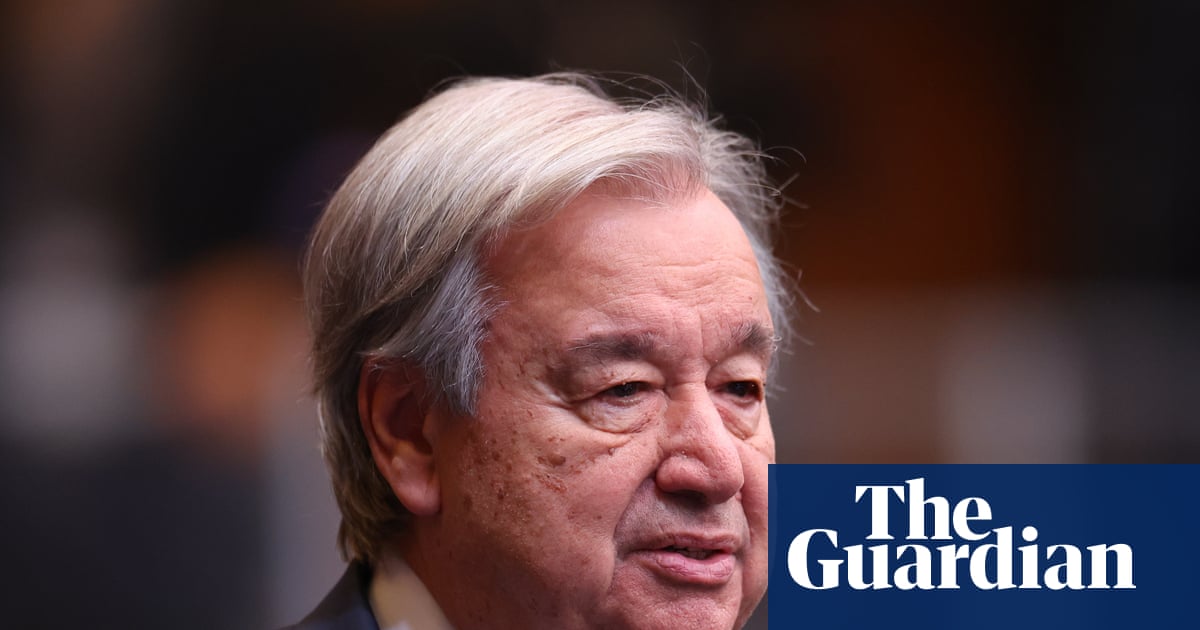
The United Nations Secretary-General has delivered a stark message that reverberates through global markets: humanity has failed to limit global heating to the 1.5C target, and an overshoot is now “inevitable.” This declaration, made in a pivotal interview ahead of next month’s Cop30 climate summit in Belém, Brazil, demands immediate attention from oil and gas investors. While the long-term implications of climate policy shifts have always been a consideration, this official acknowledgement of failure and the urgent call for a “dramatic decrease of emissions” signal an accelerating transition landscape. For investors navigating the complexities of energy markets, understanding this seismic policy shift is paramount, particularly as market fundamentals continue to show significant volatility.
Market Response Amidst Policy Uncertainty: A Deep Dive into Crude Dynamics
Against the backdrop of the UN’s dire climate warnings, the energy market is exhibiting significant turbulence. As of today, April 19, 2026, Brent Crude trades at $90.38 per barrel, marking a substantial 9.07% decline within the day, with an intraday range spanning $86.08 to $98.97. Similarly, WTI Crude has fallen to $82.59, down 9.41%, trading between $78.97 and $90.34. Gasoline prices also reflect this bearish sentiment, currently at $2.93, a 5.18% drop. This recent downturn is not an isolated event; a look at the 14-day trend for Brent Crude reveals a precipitous fall from $112.78 on March 30, 2026, to today’s $90.38 – a staggering 19.9% reduction. While the UN’s climate pronouncement focuses on long-term policy, the immediate market reaction suggests a confluence of factors, potentially including broader economic slowdown concerns, inventory builds, or an anticipatory pricing-in of future demand destruction from aggressive decarbonization policies that such warnings might catalyze. Investors must weigh whether this price action is a temporary correction or a sign of deeper structural shifts in supply and demand dynamics influenced by increasing climate pressure.
Navigating the Near-Term: Upcoming Events and Strategic Positioning
The UN Secretary-General’s call for an immediate “change of course” at Cop30 adds another layer of complexity to an already dynamic energy calendar. Investors are keenly watching how upcoming events will shape the short-term outlook in light of these heightened climate concerns. This week and next, several critical data points and meetings will influence market sentiment and potentially dictate pricing trends. The OPEC+ Joint Ministerial Monitoring Committee (JMMC) Meeting on April 19, followed by the full OPEC+ Ministerial Meeting on April 20, are particularly significant. Given the recent steep decline in crude prices, market participants will be scrutinizing any signals from OPEC+ regarding potential production adjustments. Will the cartel respond to bearish market pressures with further cuts, or will the growing global consensus around emission reductions influence their long-term strategy? Immediately after, the API Weekly Crude Inventory report on April 21 and the EIA Weekly Petroleum Status Report on April 22 will provide crucial insights into U.S. supply-demand balances, with subsequent reports on April 28 and 29. These inventory figures will be critical in assessing the underlying strength of demand amidst volatile pricing. Furthermore, the Baker Hughes Rig Count on April 24 and May 1 will offer a snapshot of drilling activity, indicating future supply trajectories. Investors must consider how these immediate market drivers interact with the overarching theme of accelerated decarbonization, as policy decisions post-Cop30 could amplify or dampen the impact of these traditional supply-side indicators.
Investor Focus: Pricing Future Risk and Opportunity
The UN’s stark warning and the subsequent call for dramatic emission reductions directly address key questions currently on the minds of OilMarketCap.com readers. Many investors are asking, “What do you predict the price of oil per barrel will be by end of 2026?” and “What are OPEC+ current production quotas?” These questions underscore a palpable anxiety about future oil prices and the stability of supply amidst global policy shifts. The Secretary-General’s statement that fewer than a third of nations have submitted adequate climate action plans (NDCs), requiring a 60% emission reduction to stay within 1.5C versus the current 10% expected, highlights the immense policy gap. This gap implies that future climate policies, potentially influenced by Cop30’s outcomes, could become far more aggressive, directly impacting demand forecasts for the latter half of 2026 and beyond. Investors are also contemplating the performance of specific players, with queries like “How well do you think Repsol will end in April 2026?” indicating a focus on how individual companies, particularly European majors with ambitious transition plans, are positioned to navigate this evolving landscape. The UN’s emphasis on rebalancing representation at COPs away from corporate lobbyists suggests that future policy frameworks may be less amenable to industry influence, potentially accelerating the pace of regulatory changes. Strategic investors must now factor in not just traditional supply/demand metrics and OPEC+ decisions, but also the increasing likelihood of stringent climate policies and their ripple effects on company valuations and long-term asset viability.


