The recent substantial order for electric buses placed by Poland’s Górnośląsko-Zagłębiowska Metropolia (GZM) with manufacturer Solaris serves as a potent microcosm of the broader energy transition underway globally. While a single municipal fleet upgrade might seem inconsequential on its own, its implications for localized fuel demand destruction, particularly in the urban transport sector, are significant. For oil and gas investors, this development signals a persistent, structural headwind for petroleum product consumption, intensifying the bearish sentiment already evident in today’s volatile markets. Understanding these micro-trends, often overlooked amidst geopolitical headlines, is crucial for navigating the evolving landscape of energy investments and anticipating future shifts in crude demand.
Accelerating Electrification: A Direct Hit to Urban Fuel Demand
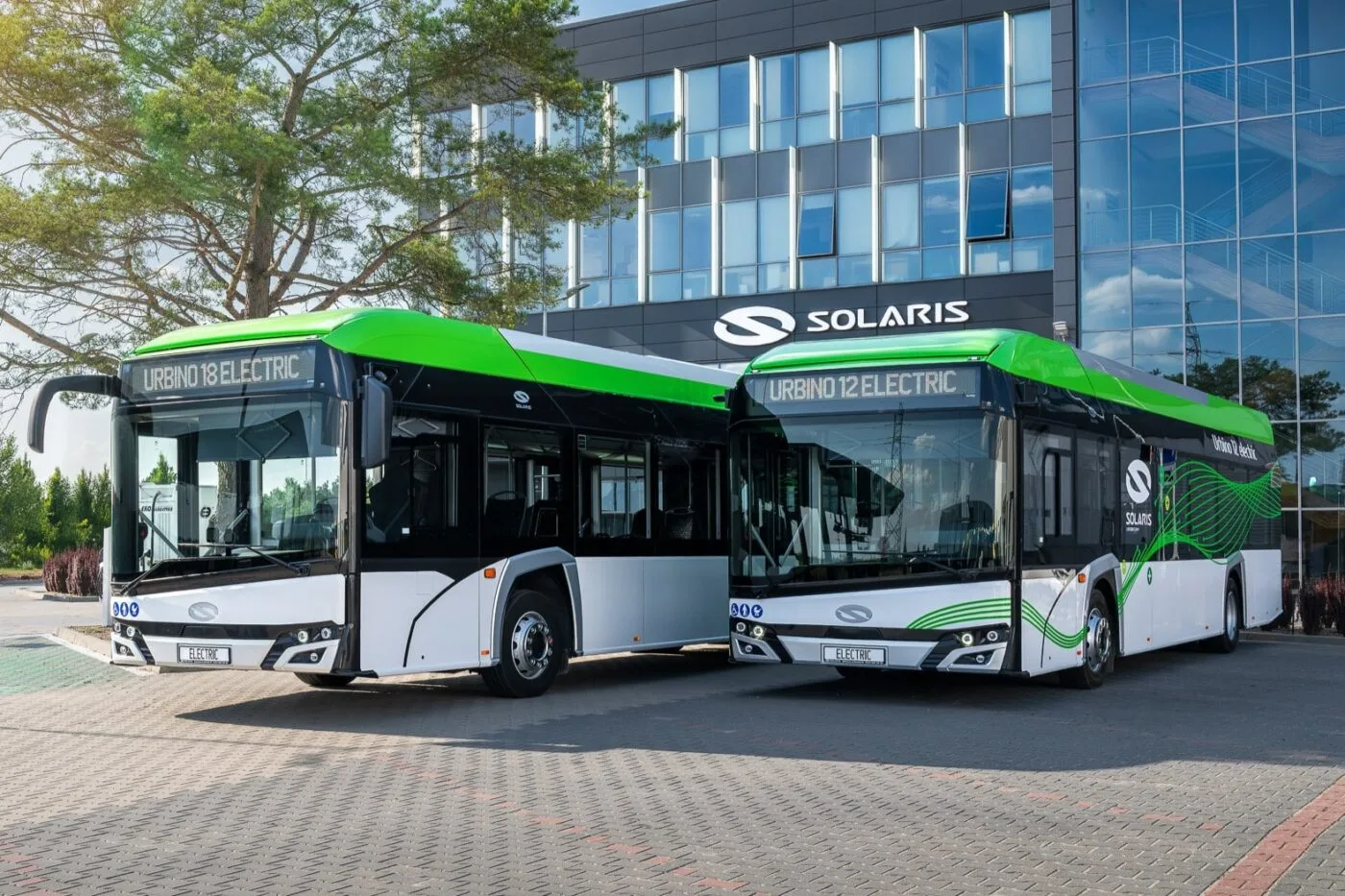
The GZM Metropolis, a consortium of municipalities in Poland’s Silesian region, has committed to a significant expansion of its electric bus fleet. The latest contract with Solaris involves the delivery of 42 new electric buses – 24 solo 12-meter models and 18 articulated 18-meter models – specifically for the operator PKM Świerklaniec. These state-of-the-art Urbino electric buses are slated to commence service in the first half of 2026. This is not GZM’s first foray into electric public transport; an earlier order in 2022 saw 32 electric buses delivered to various operators in the region. The new generation Urbino models boast impressive capabilities, with the 12-meter version featuring a 600 kWh battery capacity providing an approximate 600-kilometer range, a substantial upgrade from previous versions that offered 520 kWh or even 395 kWh before 2022. The larger 18-meter articulated buses will carry an 800 kWh battery. These vehicles, designed to accommodate up to 70 passengers in the 12-meter models and 120 in the articulated versions, will be charged at depots, directly displacing diesel-powered equivalents. For investors, this trend underscores a clear and present threat to refined product demand, particularly in the diesel segment. As municipalities worldwide prioritize cleaner air and energy independence, the cumulative effect of such fleet conversions will increasingly weigh on global fuel consumption, prompting investors to question the long-term trajectory of oil prices, a common inquiry among our readers.
Market Volatility and Structural Demand Erosion
The impact of accelerating electrification trends, exemplified by the Polish bus order, occurs against a backdrop of significant market volatility. As of today, Brent Crude trades at $90.38, experiencing a notable 9.07% decline, moving within a daily range of $86.08 to $98.97. Similarly, WTI Crude has fallen by 9.41% to $82.59, with its daily range spanning $78.97 to $90.34. Gasoline prices also reflect this bearish sentiment, currently at $2.93, down 5.18% for the day. This immediate downturn is further compounded by a broader trend; over the past two weeks, Brent Crude has dropped from $112.78 on March 30th to today’s $90.38, representing a sharp 19.9% correction. While geopolitical tensions and supply-side concerns frequently dominate headlines and drive short-term price swings, the steady progress of electrification projects like GZM’s bus order represents a more insidious, long-term erosion of demand fundamentals. This consistent, incremental displacement of fossil fuels by electric alternatives creates a persistent bearish undercurrent that market participants must acknowledge. Investors are increasingly asking about the long-term price predictions for oil, and these demand-side shifts are a critical component in forming a comprehensive outlook for 2026 and beyond.
Navigating Upcoming Events Amidst Demand Uncertainty
The confluence of structural demand shifts and immediate market pressures puts a spotlight on upcoming energy events, particularly those related to global supply management. Investors are keenly awaiting the OPEC+ Joint Ministerial Monitoring Committee (JMMC) meeting this Sunday, April 19th, followed by the full OPEC+ Ministerial Meeting on Monday, April 20th. These meetings are critical for determining the cartel’s stance on production quotas, a frequent topic of inquiry from our readership. Any decisions made will directly influence global supply, but their effectiveness in bolstering prices will be increasingly tested by weakening demand signals from the expanding global EV fleet. Further insights into market balance will come from the routine API Weekly Crude Inventory reports on April 21st and 28th, and the EIA Weekly Petroleum Status Reports on April 22nd and 29th, which provide crucial data on U.S. crude and product inventories. Additionally, the Baker Hughes Rig Count on April 24th and May 1st will offer a glimpse into future production trends. As electric vehicle adoption accelerates, illustrated by the GZM order, OPEC+ faces a challenging balancing act: managing supply to support prices while confronting a gradually shrinking demand pool for their core product. This dynamic is a central theme for oil and gas investment strategies.
Investment Implications: Beyond the Barrel
The Polish EV bus order, while a regional initiative, is emblematic of a global push towards decarbonization that poses significant challenges for traditional oil and gas investment. The 42 new electric buses, with their extended range and increased passenger capacity, represent a direct removal of significant diesel demand from the urban transport sector. This ongoing shift necessitates a re-evaluation of portfolio allocations within the energy sector. While upstream exploration and production will always be core to the industry, investors must increasingly consider the resilience of refining margins for specific products, the growth potential in petrochemicals, or even diversifying into companies facilitating the energy transition. The long-term bearish implications of widespread electrification, even in segments like public transport, cannot be understated. Astute investors will closely monitor not just supply-side news from OPEC+ but also the accelerating pace of EV adoption across all vehicle classes, as these demand-side pressures are poised to shape the future profitability and strategic direction of the oil and gas industry.