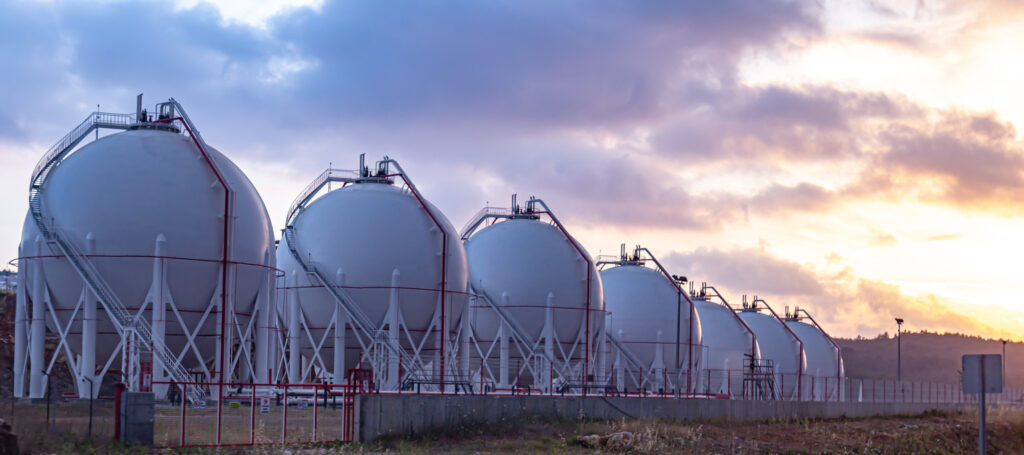
NextDecade’s Rio Grande Expansion: A Defining Moment for U.S. LNG Dominance
NextDecade Corporation’s recent final investment decision (FID) on Train 5 at its Rio Grande LNG facility marks another colossal step in cementing America’s role as the global leader in liquefied natural gas exports. This $6.7 billion expansion, which will add approximately 6 million tonnes per annum (MTPA) to the facility’s capacity, brings the total expected production under construction at Rio Grande LNG to an impressive 30 MTPA. Coming on the heels of the Train 4 FID last month, this sequential commitment underscores a robust belief in the long-term fundamentals of global natural gas demand and signals a significant capital deployment by key players in the sector.
The strategic importance of this investment cannot be overstated. With commercial backing from major entities like JERA, EQT Corporation, and ConocoPhillips through 20-year sales agreements, Train 5 is not just an aspirational project; it is a commercially derisked venture targeting first commercial delivery in the first half of 2031. For investors, this move by NextDecade, along with a flurry of other FIDs across the U.S., paints a clear picture of a sector in aggressive expansion, driven by both market pull and favorable regulatory tailwinds.
The American LNG Export Spree: Unpacking the Momentum
NextDecade’s latest FID is not an isolated event but rather a key piece in a larger mosaic of U.S. LNG expansion. This year alone, the industry has seen substantial commitments from various developers. Woodside Energy has given the green light to its Louisiana LNG project, targeting 2029 production. Venture Global successfully closed $15.1 billion in financing for the first phase of its CP2 LNG project and associated pipeline. Even established players like Cheniere have moved forward with the Corpus Christi Midscale Trains 8 & 9 and Debottlenecking Project. These collective actions reflect a strong industry response to the recent reversal of a prior administrative pause on new LNG project approvals, creating a palpable sense of momentum.
The sheer scale of this growth is remarkable. Projections indicate that the U.S. is poised to add 5 billion cubic feet per day (Bcf/d) in LNG export capacity in 2025 and 2026 alone, with major projects like Plaquemines LNG and Corpus Christi LNG Stage 3 rapidly coming online. This rapid build-out positions the U.S. to significantly increase its market share in global natural gas supply, offering energy security to allies and meeting burgeoning demand, particularly in Europe and Asia. For investors eyeing the infrastructure and energy transition plays, the continued expansion of U.S. LNG facilities presents compelling long-term growth opportunities, backed by significant capital expenditure and extensive commercial contracts.
Navigating Volatility: Investor Sentiment Amidst Shifting Market Prices
While the long-term outlook for U.S. LNG capacity additions remains robust, the immediate energy market exhibits considerable volatility, a key concern for many investors. As of today, Brent Crude trades at $90.38, reflecting a significant 9.07% decline within a single trading day. This sharp intraday drop is compounded by a broader trend, with Brent having fallen by nearly 20% from $112.78 just two weeks ago. Similarly, WTI Crude has seen a precipitous decline, settling at $82.59, down 9.41% today, while gasoline prices have also retreated to $2.93, a 5.18% decrease.
This kind of rapid price movement naturally prompts questions from the investment community. Many readers are actively seeking insight into future oil price trajectories, with queries such as “What do you predict the price of oil per barrel will be by end of 2026?” dominating sentiment analysis. This intense focus on price stability highlights a cautious approach, even as major FIDs like NextDecade’s signal long-term confidence. While LNG contracts are typically insulated from daily crude price swings, general energy market sentiment can influence investor appetite for large-scale infrastructure projects. The substantial drop in crude prices suggests either a perception of softening demand, increasing supply, or a broader risk-off sentiment in global markets, factors that investors carefully weigh when assessing the long-term viability and financing costs of multi-billion-dollar projects, even those with robust off-take agreements.
Upcoming Catalysts and the Long-Term LNG Horizon
The coming weeks are packed with critical energy market events that could further shape investor perspectives and influence the volatile price environment. On April 19th and 20th, the OPEC+ Joint Ministerial Monitoring Committee (JMMC) and Ministerial Meetings are scheduled. These gatherings are particularly pertinent given the current crude price dynamics, as investors are keen to understand “What are OPEC+ current production quotas?” and any potential adjustments that could impact global supply. Any decision from OPEC+ regarding production levels could either stabilize the market or introduce further uncertainty, directly influencing the broader energy complex.
Beyond OPEC+, weekly reports from the API and EIA on crude inventories (April 21st, 22nd, 28th, 29th) will offer crucial insights into U.S. supply and demand balances, while the Baker Hughes Rig Count (April 24th, May 1st) will signal upstream activity levels. These near-term data points, while primarily focused on crude, contribute to the overall energy market sentiment that underpins investor confidence in all major energy plays, including LNG. Despite these short-term fluctuations and data releases, the fundamental driver behind NextDecade’s and other developers’ FIDs is a conviction in sustained global demand for natural gas as a cleaner transition fuel and a critical component of energy security. The 2031 target for Train 5’s commercial delivery clearly demonstrates a long-term investment horizon, where today’s price volatility is viewed through the lens of a decades-long strategic play, rather than a quarterly earnings report.
Strategic Implications and Investor Takeaways
The cumulative effect of these massive U.S. LNG projects, exemplified by NextDecade’s $6.7 billion expansion, is a profound reshaping of the global energy map. The U.S. is not merely expanding its export capacity; it is solidifying its position as an indispensable energy supplier, offering flexibility and reliability to a world increasingly focused on energy security and diversification. For investors, this translates into a robust pipeline of opportunities, not only in the developers themselves but also in the vast ecosystem of associated services, engineering, and infrastructure providers.
The consistent FIDs, backed by long-term sales agreements with global utilities and energy companies, demonstrate a clear demand signal that transcends current spot market volatility. While questions about specific company performance, such as “How well do you think Repsol will end in April 2026,” reflect a granular focus on individual equities, the macro trend of U.S. LNG expansion provides a powerful tailwind for the broader energy sector. This structural growth in LNG capacity is a long-term play, offering a compelling narrative for investors seeking exposure to global energy transitions and the enduring demand for reliable, accessible natural gas.