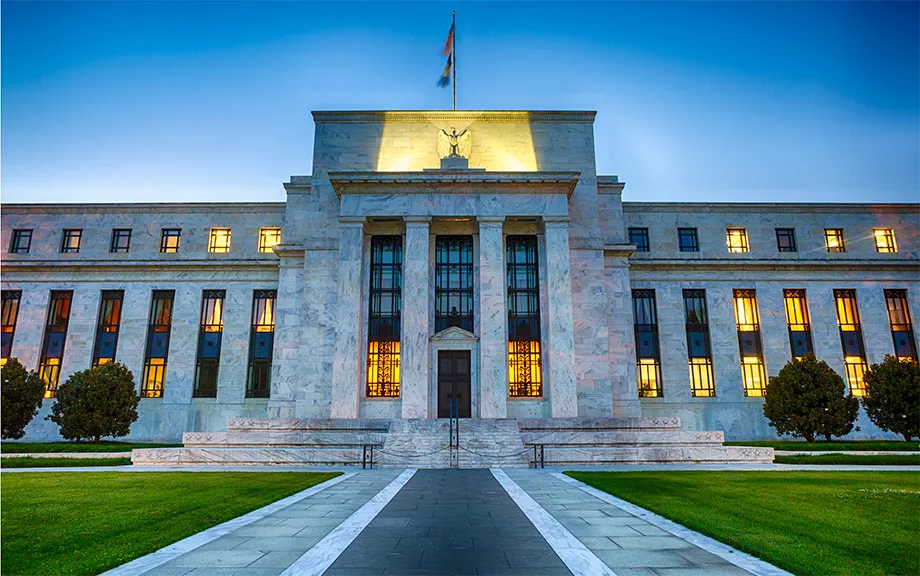
The recent decision by the U.S. Federal Reserve, Federal Deposit Insurance Corporation (FDIC), and Office of the Comptroller of the Currency (OCC) to withdraw their 2023 climate risk management principles marks a pivotal shift in financial oversight. This move, which dissolves a framework designed to guide large financial institutions with over $100 billion in assets in assessing climate-related threats, signals a significant easing of regulatory pressures on the banking sector. For oil and gas investors, this isn’t merely a bureaucratic footnote; it’s a structural change that could reshape capital flows, project financing, and the overall investment landscape for conventional energy assets, potentially removing a layer of perceived risk and compliance burden that has weighed on the sector.
A Strategic Regulatory Reversal for Financial Institutions
The joint rescission, effective immediately, eliminates guidance that was only established in October 2023. Regulators now assert that existing safety and soundness standards are entirely sufficient to address all material risks, including those related to climate. This U-turn from prior policy efforts to integrate climate risk into financial supervision is profound. The agencies explicitly stated that the climate principles might actually “distract” large financial institutions from other crucial prudential obligations. For the energy sector, this translates into potentially reduced friction for banks looking to finance traditional oil and gas projects. Banks may find it easier to allocate capital to energy ventures without the added layer of climate-specific risk assessments, which could lead to more favorable lending terms and increased availability of project financing across the upstream, midstream, and downstream segments.
Navigating Current Market Volatility Amidst Policy Shifts
While the regulatory environment shows signs of easing, the immediate energy markets remain highly dynamic. As of today, Brent Crude trades at $90.38, reflecting a significant 9.07% downturn within its daily range of $86.08 to $98.97. Similarly, WTI Crude is at $82.59, down 9.41%, with gasoline prices at $2.93, a 5.18% decrease. This recent volatility is also evident in the 14-day Brent trend, which has seen a substantial drop from $112.78 on March 30th to the current $90.38 – a nearly 20% decline. This price action underscores that while regulatory easing offers a long-term tailwind for energy investment, short-term supply-demand fundamentals, geopolitical events, and broader macroeconomic factors like inflation and interest rates continue to drive immediate market sentiment.
Investors are actively seeking clarity on these very issues. We’ve noted a significant uptick in queries regarding future oil prices, with many asking, “What do you predict the price of oil per barrel will be by end of 2026?” The Fed’s decision, by potentially fostering a more accommodating financing environment for producers, could indirectly influence long-term supply trajectories. However, in the near term, the market’s focus remains on fundamentals. Questions about “OPEC+ current production quotas” highlight the critical role of cartel policy in managing global supply, a factor that will continue to overshadow regulatory changes in day-to-day trading.
Re-Evaluating Capital Allocation and Project Financing
The withdrawal of these climate-focused principles is not just symbolic; it has tangible implications for how financial institutions will assess and fund energy projects. Banks are no longer explicitly required to integrate climate considerations into their governance, scenario analysis, and risk management in the way the rescinded principles suggested. This could lead to a re-evaluation of internal lending policies, potentially reducing the cost of capital for oil and gas companies. Firms that previously faced higher hurdles or more stringent conditions due to perceived climate risks might now find a more level playing field. This is particularly relevant for large-scale, long-lifecycle projects that require substantial upfront investment and long-term financing commitments. Enhanced access to capital could stimulate increased exploration, production, and infrastructure development, which were previously under pressure from ESG-driven financing constraints. This policy shift aligns with a broader political realignment that has seen the U.S. government deprioritize climate integration in financial oversight, signaling a more favorable environment for conventional energy investment.
Upcoming Events to Shape Near-Term Outlook
While the long-term implications of regulatory easing are significant, investors must also remain acutely focused on the immediate drivers of market sentiment. The upcoming calendar is packed with critical events that will dictate crude price movements and investor confidence. This Sunday, April 19th, marks the OPEC+ JMMC Meeting, followed by the full OPEC+ Ministerial Meeting on Monday, April 20th. These gatherings are paramount, as any adjustments to production quotas or forward guidance will directly impact global supply expectations and, consequently, prices. Our readers are already asking about OPEC+’s current quotas, underscoring the market’s intense focus on these decisions.
Beyond OPEC+, the weekly inventory data will provide crucial insights into supply-demand balances. The API Weekly Crude Inventory reports are scheduled for Tuesday, April 21st, and again on April 28th, with the more comprehensive EIA Weekly Petroleum Status Reports following on Wednesday, April 22nd, and April 29th. These reports offer a granular view of U.S. crude, gasoline, and distillate stocks, which can trigger significant price reactions. Furthermore, the Baker Hughes Rig Count, due on Friday, April 24th, and May 1st, will offer a real-time pulse on drilling activity and future production trends. While the regulatory backdrop has improved for energy financing, these near-term data points and policy decisions from major producers will continue to be the primary determinants of investor returns in the coming weeks.


