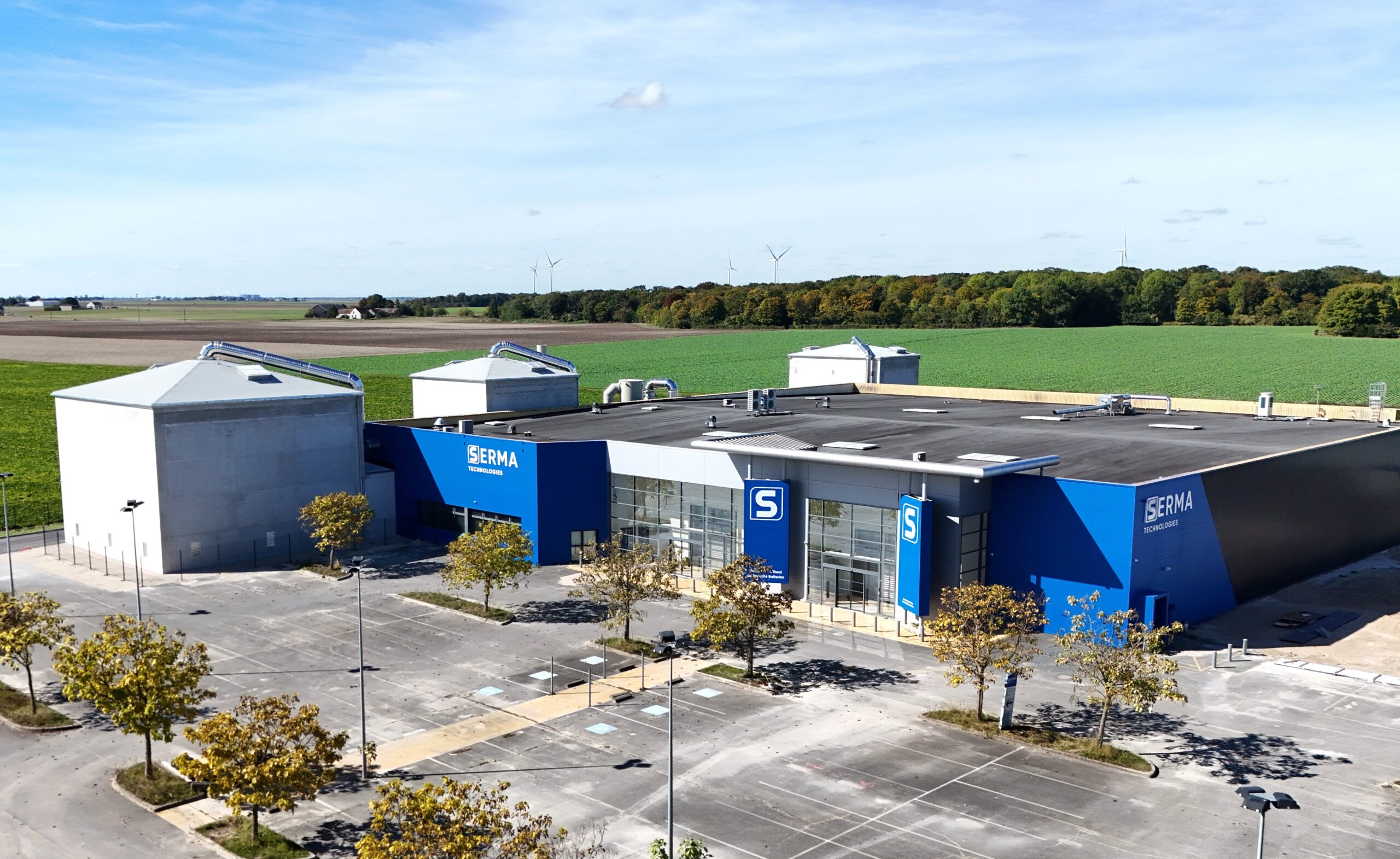
The global energy landscape is in constant flux, but few shifts carry as much long-term weight for oil and gas investors as the accelerating push towards electric mobility. A recent significant development underscores this trajectory: the inauguration of a new 5,000 m² facility in Neuville-aux-Bois, near Paris, dedicated to extreme abuse testing and comprehensive battery safety for electric vehicles. This strategic investment by SERMA Technologies, expanding its already extensive 20,000 m² infrastructure for green mobility, is not merely a technical milestone; it’s a powerful signal reinforcing the long-term demand erosion for fossil fuels, particularly gasoline. For discerning investors, this move highlights the tangible progress in solidifying the EV ecosystem, prompting a critical re-evaluation of future oil demand scenarios and investment strategies within the energy sector.
Strengthening EV Confidence, Eroding Future Gasoline Demand
The new Neuville-aux-Bois facility marks a significant step in de-risking electric vehicle adoption. By focusing on rigorous abuse tests for battery packs up to 150 kWh and even entire vehicles, SERMA is addressing a core concern that has sometimes hindered broader consumer confidence: battery safety and reliability. This center’s capabilities span a comprehensive range of extreme conditions, including thermal runaway simulations, mechanical crush and impact tests, electrical short circuits, and environmental stressors like immersion. Crucially, its unique indoor infrastructure allows for safe and complete treatment of emitted gases and fumes, ensuring compliance with stringent international standards such as UN38.3, ECE R100, and UL protocols.
Such dedicated, large-scale investment in battery safety infrastructure, supported by government programs like Fonds Vert – France Nation Verte and France 2030, signifies a concerted effort to accelerate EV market penetration. By making electric vehicles safer and more reliable, the industry directly removes barriers to adoption. This inevitably translates into a long-term headwind for refined products like gasoline. While the immediate impact on global oil demand might seem incremental, the cumulative effect of such initiatives, alongside existing centers in Martillac and Lardy, builds an undeniable momentum towards a future less reliant on internal combustion engines. Investors must recognize that these technological advancements and safety assurances are foundational elements accelerating the energy transition, paving the way for sustained pressure on gasoline consumption profiles years down the line.
Navigating Market Volatility Amidst Structural Shifts
The implications of a strengthening EV ecosystem are already being reflected, in part, in the broader crude market sentiment. As of today, Brent crude trades at $90.38 per barrel, representing a significant 9.07% decline within a single trading day, having swung between $86.08 and $98.97. Similarly, WTI crude has seen a sharp 9.41% drop to $82.59. This recent volatility is not isolated; our proprietary data reveals Brent has plummeted by $22.4, or nearly 19.9%, from $112.78 on March 30th to its current level. Gasoline prices mirror this trend, currently at $2.93, down 5.18% today.
This market turbulence, while influenced by multiple factors, cannot be entirely divorced from the long-term demand concerns exacerbated by ongoing advancements in electric mobility. Our internal reader intent data confirms that investors are keenly focused on the future trajectory of oil prices, with frequent queries such as “what do you predict the price of oil per barrel will be by end of 2026?” dominating discussions. This reflects a growing acknowledgment that while current demand remains robust, the rate of future growth is increasingly under scrutiny, pressured by the very technological and safety improvements seen in the EV sector. The market is increasingly pricing in not just immediate supply-demand balances, but also the structural shifts that sophisticated battery testing facilities represent for the future of transportation fuels.
Upcoming Catalysts and OPEC+’s Strategic Imperative
Against this backdrop of evolving demand dynamics, the immediate future holds several critical events that will shape short-term oil price direction. Investors will be closely monitoring the OPEC+ Joint Ministerial Monitoring Committee (JMMC) Meeting scheduled for April 19th, swiftly followed by the full OPEC+ Ministerial Meeting on April 20th. These gatherings are paramount as member nations deliberate on production quotas, a topic frequently raised by our readers asking about “OPEC+ current production quotas.” The decisions made here will directly impact global supply, and the context of weakening prices and growing EV confidence will undoubtedly weigh on their considerations.
Beyond OPEC+, weekly inventory data provides crucial real-time insights into market balance. The API Weekly Crude Inventory report on April 21st and the EIA Weekly Petroleum Status Report on April 22nd will offer fresh perspectives on US supply and demand. These reports, alongside the Baker Hughes Rig Count on April 24th, are vital short-term catalysts. While these immediate data points drive daily trading, OPEC+ must increasingly factor in the long-term headwinds from accelerated EV adoption. The group faces an enduring challenge: how to manage supply effectively in a world where foundational industries are making significant, government-backed investments to transition away from fossil fuels, a trend clearly exemplified by the new e-mobility safety center.
Investment Strategy: Adapting to a Decarbonizing Future
For oil and gas investors, the message is clear: the energy transition is not a distant concept but an active, funded, and technologically advancing reality. While global oil demand will not evaporate overnight, the rate of growth is under increasing pressure from developments like advanced battery testing centers that bolster EV adoption. Companies heavily reliant on traditional gasoline and diesel markets face the most significant long-term risks.
Prudent investment strategies demand a focus on companies demonstrating genuine commitment to diversification and decarbonization. This includes those investing in carbon capture, hydrogen, renewables, or advanced materials that support the broader energy transition, not just those clinging to legacy assets. Capital discipline, robust balance sheets, and a clear strategy for navigating peak demand scenarios will be paramount. The proactive investment in EV safety infrastructure, supported by governments, serves as a powerful reminder that the trajectory towards electric mobility is firmly set. Investors should leverage this insight to position their portfolios for resilience in a market increasingly shaped by the push for cleaner, safer, and more efficient energy solutions.


