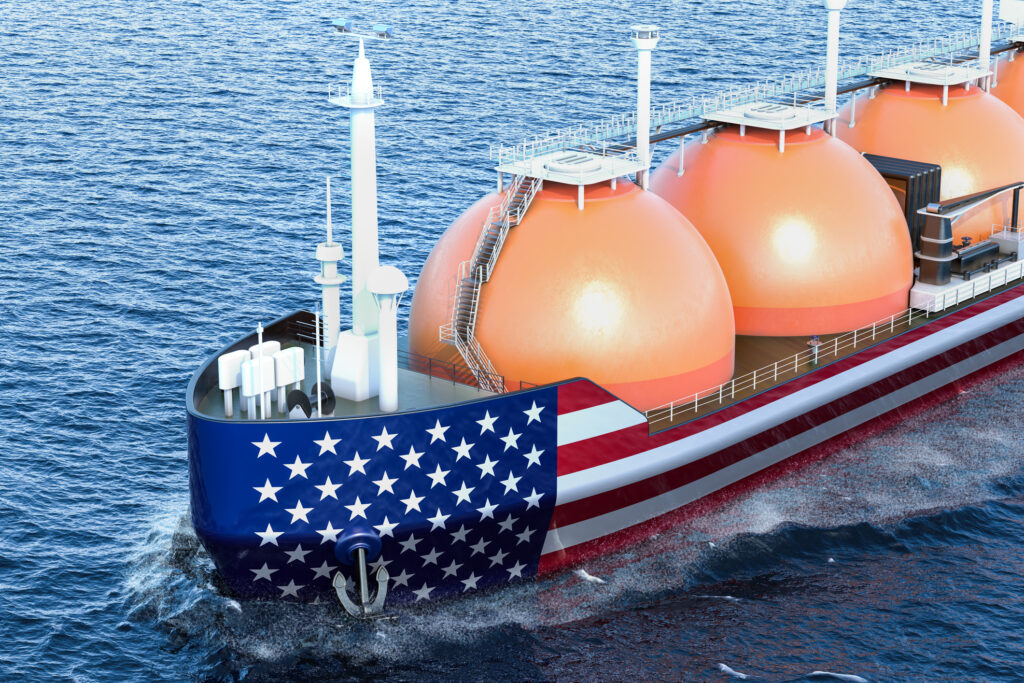
North American LNG Exports: A Strategic Investment Pivot by 2029
North America is on the cusp of a profound transformation in global energy markets, poised to more than double its liquefied natural gas (LNG) export capacity by 2029. This isn’t merely incremental growth; it represents a strategic pivot, establishing the continent as an undisputed superpower in global gas supply. With announced plans to add an estimated 17 billion cubic feet per day (Bcf/d) of liquefaction capacity across the United States, Canada, and Mexico, the implications for investors in the energy sector are substantial. This expansion, driven by robust global demand for cleaner-burning fuels and enhanced energy security, offers compelling opportunities for those positioned to capitalize on the coming wave of infrastructure development, production growth, and geopolitical rebalancing. As we delve into the specifics, it becomes clear that North America’s burgeoning LNG sector is rapidly becoming a cornerstone of future energy investment portfolios.
The Ascent of a Global LNG Export Hub
By 2029, North American LNG export capacity is projected to surge from 11.4 Bcf/d at the beginning of 2024 to an impressive 28.7 Bcf/d. This colossal expansion is underpinned by significant contributions from all three major North American economies. The United States, already the world’s largest LNG exporter with 15.4 Bcf/d of operational capacity, is expected to lead this charge, adding a further 13.9 Bcf/d. This sustained build-out cements its role as the dominant player. Beyond the U.S., Canada is slated to contribute an additional 2.5 Bcf/d, while Mexico is set to add 0.6 Bcf/d to the continent’s total. This collective effort signifies that North American capacity additions alone will account for over 50% of all anticipated global increases through the end of the decade. For investors, this concentration of growth points to strong underlying fundamentals for North American natural gas producers, midstream operators, and associated service companies. The scale of these commitments underscores a long-term bullish outlook for regional gas demand and export infrastructure.
Navigating Current Market Volatility and Investor Sentiment
While the long-term outlook for North American LNG is robust, the broader energy market continues to exhibit significant day-to-day volatility. As of today, Brent crude trades at $90.38, reflecting a sharp 9.07% decline within the day’s range of $86.08 to $98.97. Similarly, WTI crude stands at $82.59, down 9.41%, having fluctuated between $78.97 and $90.34. Gasoline prices have also dipped to $2.93, a 5.18% reduction. This immediate downturn follows a more pronounced trend, with Brent having fallen from $112.78 on March 30th to its current level, representing a $-22.4, or 19.9%, decrease in less than three weeks. This recent price action naturally sparks investor questions, such as “What do you predict the price of oil per barrel will be by end of 2026?” and “What are OPEC+ current production quotas?” These inquiries highlight a prevalent concern among our readers about crude market stability and geopolitical influence on supply.
However, the LNG investment thesis offers a distinct pathway. While crude markets grapple with production decisions and geopolitical tensions, the demand for natural gas is driven by different, often more structural, factors: energy security concerns in Europe and Asia, the transition away from coal for power generation, and growing industrial feedstock requirements. Therefore, while overall energy prices are interconnected, LNG projects, particularly those with long-term off-take agreements, can offer a degree of insulation from the sharp, short-term swings seen in the crude oil market. This makes the burgeoning North American LNG sector an attractive diversification play for investors seeking growth within the energy complex, less directly tied to the immediate whims of OPEC+ or daily crude inventory reports.
Project Momentum and Key Upcoming Catalysts
The realization of North America’s ambitious LNG export goals hinges on the successful execution of projects currently under construction, a critical caveat that investors must closely monitor. The pipeline of new capacity is substantial, but challenges such as permitting hurdles, securing adequate financing, managing construction timelines, and ensuring sufficient labor remain ever-present. From a forward-looking perspective, several upcoming events will shape the broader energy environment, influencing the sentiment and operational landscape for gas producers and LNG exporters alike. The OPEC+ Joint Ministerial Monitoring Committee (JMMC) Meeting on April 19th and the subsequent Ministerial Meeting on April 20th, while primarily focused on crude production quotas, will set the tone for global energy supply strategies. Meanwhile, the API Weekly Crude Inventory (April 21st, 28th) and the EIA Weekly Petroleum Status Report (April 22nd, 29th) provide crucial insights into domestic supply and demand dynamics, which can indirectly impact natural gas prices through substitution effects and overall energy market sentiment.
More directly relevant to the gas sector are the Baker Hughes Rig Count reports on April 24th and May 1st. These weekly updates on drilling activity will signal the health of the upstream sector, indicating future domestic gas supply potential that feeds into these massive liquefaction terminals. For investors, closely tracking these events and project-specific milestones – from final investment decisions to facility commissioning dates – is paramount. Delays or accelerations in these projects will directly impact the timeline for North America’s ascent as a global LNG powerhouse and, consequently, the returns on related investments. The sustained commitment to these projects, despite broader market fluctuations, signals a strong conviction in the long-term demand for North American gas.
Strategic Positioning for the LNG Investment Horizon
The projected doubling of North American LNG export capacity by 2029 presents a clear and compelling investment horizon for those seeking to capitalize on structural shifts in global energy. This isn’t just about moving more gas; it’s about cementing North America’s role as a critical energy supplier, enhancing global energy security, and facilitating the energy transition by providing a cleaner alternative to coal. For investors, this monumental expansion opens up opportunities across several segments of the value chain.
Midstream companies involved in pipeline construction, liquefaction terminal development, and shipping logistics stand to benefit significantly from the substantial capital expenditure required to build out this infrastructure. Upstream natural gas producers will see sustained demand for feed gas, potentially underpinning higher and more stable prices for their production. Furthermore, companies providing specialized engineering, construction, and operational services to these large-scale projects will experience robust activity. The sheer scale—from 11.4 Bcf/d to 28.7 Bcf/d in five years—demands a comprehensive investment approach. Investors need to assess companies with strong balance sheets, proven track records in project execution, and strategic geographical positioning within this burgeoning export landscape. As North America reshapes the global natural gas market, strategic investments made today are likely to yield substantial returns as this new energy reality takes hold.