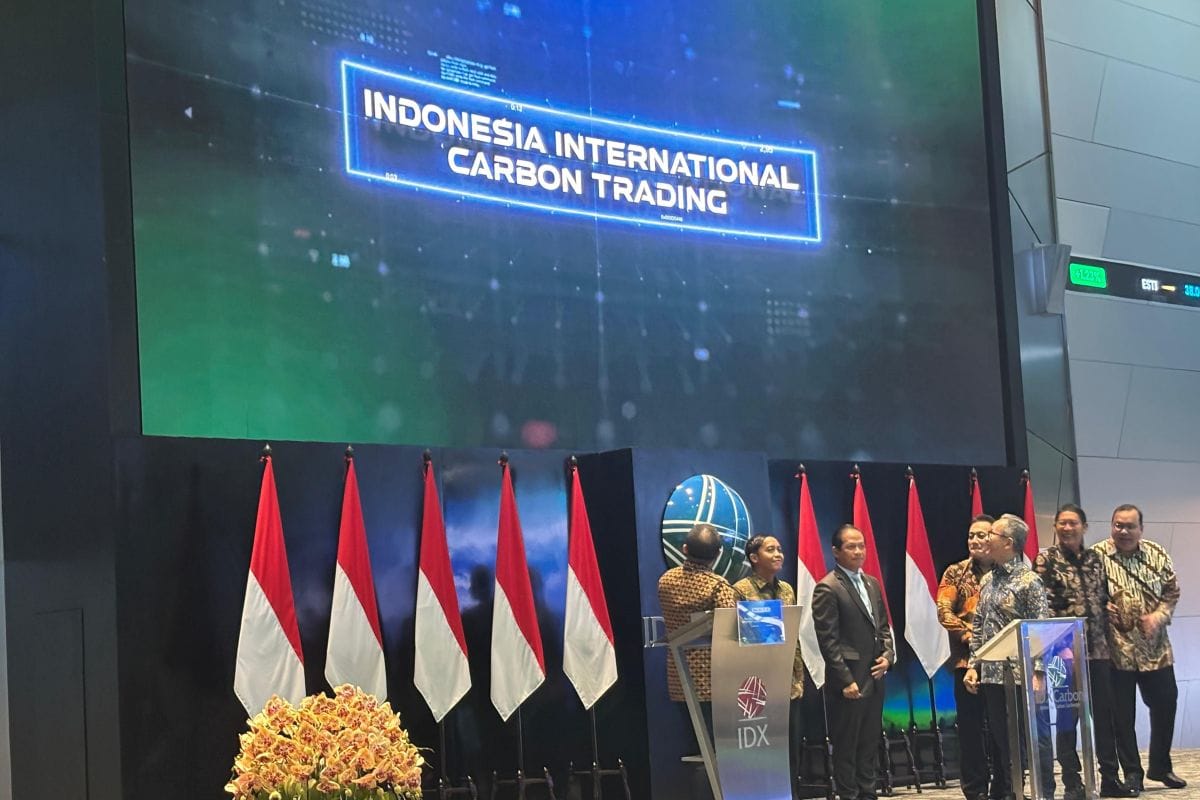
Indonesia has decisively re-entered the global carbon trading arena, marking a significant policy reversal and opening new investment avenues for the energy transition. Following a four-year moratorium, President Prabowo Subianto’s new decree allows for the resumption of international carbon credit transactions. This move is not merely a bureaucratic adjustment; it signals Indonesia’s renewed commitment to leveraging its vast natural assets for both economic gain and environmental stewardship, aiming to attract foreign capital and accelerate its journey towards net-zero emissions by 2060. For oil and gas investors diversifying their portfolios, understanding the nuances of this policy shift and its implications for the global carbon market is paramount.
Indonesia’s Carbon Reawakening: A Policy Pivot for Global Markets
The recent presidential decree effectively lifts the suspension on international carbon trading, which had been in place since 2021. This policy change empowers companies and project developers to engage in cross-border trading of carbon credits, encompassing critical large-scale conservation and reforestation initiatives, previously restricted. A cornerstone of this new framework is the rigorous verification process: traded carbon units must now adhere to either Indonesian national standards or established international benchmarks, including those from the United Nations Framework Convention on Climate Change and other recognized certifiers. Crucially, a decentralized, real-time registry has been established to meticulously track these carbon units, proactively preventing the issue of double counting and fostering transparency. This robust mechanism directly addresses prior government concerns regarding the integrity and equitable distribution of benefits from carbon reduction efforts. By re-engaging with the international market, Indonesia aims to unlock fresh foreign investment, bolster fiscal revenues, and significantly advance its ambitious target of achieving net-zero greenhouse gas emissions by 2060.
Navigating the Global Energy Landscape: Investor Sentiment and Crude Volatility
The broader energy market context provides a critical backdrop for evaluating new investment opportunities like Indonesia’s re-emerging carbon market. As of today, the crude oil market reflects notable volatility. Brent crude is trading at $96.3 per barrel, experiencing a 3.11% decline, while WTI crude sits at $87.83, down 3.66%. This recent downturn follows a sustained trend over the past fortnight, with Brent crude having fallen by 12.4%, from $112.57 on March 27th to $98.57 just yesterday. Such fluctuations in traditional energy benchmarks invariably influence investor appetite and capital allocation across the entire energy spectrum. When crude prices exhibit significant swings, investors often seek diversification and stability, yet they also demand higher transparency and verifiable returns from nascent markets. Our proprietary data indicates a strong investor focus on real-time pricing and the models underpinning these figures, reflecting a deep-seated need for dependable market intelligence to navigate dynamic conditions. This underscores the critical role of robust data and verifiable standards in attracting capital to new ventures, including carbon credits, especially when the established energy market is in flux.
Transparency and Verification: Addressing Investor Demands in a Nascent Market
Investor intent data reveals a consistent demand for clarity regarding data sources, verification protocols, and the practical application of market insights. This focus on underlying data integrity is directly addressed by Indonesia’s new carbon trading framework. The decree’s insistence on internationally recognized verification standards and the implementation of a decentralized, real-time registry speak volumes about the government’s commitment to building investor confidence. By aligning with global certification bodies such as Verra, Gold Standard, and the Joint Crediting Mechanism, Indonesia is actively mitigating concerns that previously plagued its market, particularly those related to low global carbon prices and uneven benefit-sharing. The proactive establishment of these mutual recognition agreements is designed to ensure that projects meet the highest international credibility standards, which is a significant draw for foreign capital. While Indonesia’s domestic carbon exchange, launched in September 2023, has seen modest initial trading volumes, the expectation is for international participation to expand significantly as this new, transparent framework gains traction. This strategic emphasis on verifiable impact and clear accounting directly answers the market’s call for robust, auditable systems in the evolving carbon economy.
Forward Outlook: Catalysts and Challenges for Indonesia’s Carbon Ambitions
Looking ahead, Indonesia’s re-entry into the international carbon market is poised to make it a pivotal player once more, particularly given its vast potential in REDD+ (Reducing Emissions from Deforestation and Forest Degradation) projects. However, the success of this ambition will be shaped by ongoing developments in the broader energy market and the effective implementation of the new policy. In the immediate future, market participants will be keenly observing key energy events, starting with the OPEC+ Joint Ministerial Monitoring Committee (JMMC) meeting on Friday, followed by the full Ministerial meeting on Saturday. Decisions emanating from these gatherings, alongside upcoming weekly inventory reports from the API and EIA, will significantly influence global energy sentiment and capital flows. While these events directly pertain to crude oil, the overall investment climate they foster can either encourage or deter capital allocation towards new energy transition assets, including carbon offsets. For Indonesia, the critical challenges will include consistently ensuring the quality and integrity of its carbon credits, maintaining competitive pricing in a global market, and successfully attracting the necessary foreign investment to scale up its conservation and reforestation efforts. The robust implementation of the new real-time registry and continued collaboration with international partners will be crucial determinants of Indonesia’s long-term success in reclaiming its leadership role in the global carbon offset market.


