The global oil market is currently navigating a treacherous landscape, marked by significant price volatility even as structural shifts continue to reshape the long-term demand outlook. While traders grapple with immediate supply-side concerns and geopolitical tensions, a more profound challenge is quietly accelerating: the rapid expansion of electric vehicle (EV) battery capacity, primarily spearheaded by Chinese manufacturers. This dual dynamic presents a complex environment for oil and gas investors, demanding a nuanced understanding of both short-term market reactions and irreversible long-term trends. Our proprietary data pipelines at OilMarketCap reveal a market acutely focused on immediate price swings, yet the underlying current points to an undeniable erosion of future oil demand, particularly from the transportation sector.
The Shifting Tides of Global Mobility: A Long-Term Demand Headwind
The pace of electrification in the automotive industry is escalating dramatically, posing a significant long-term headwind for oil demand, especially for refined products like gasoline. According to recent industry analysis, the total battery capacity installed in new electric and hybrid vehicles worldwide reached an impressive 691.3 GWh for the period spanning January to August 2025. This figure represents a robust 34.9% growth compared to the same period last year, indicating a powerful acceleration in EV adoption and manufacturing scale. Given this trajectory, it’s highly probable that the industry will comfortably surpass the 1,000 GWh mark for total installed capacity by the close of 2025. This isn’t just a statistical anomaly; it signifies a structural pivot in global energy consumption patterns. For oil investors, this rapid expansion translates directly into future demand displacement, as each GWh of battery capacity reduces the reliance on internal combustion engines and, by extension, petroleum fuels. The compounding nature of this growth means that the impact on demand forecasts will become increasingly material in the years to come, challenging traditional assumptions about peak oil demand timelines.
Chinese Dominance and Its Strategic Implications for Oil Investors
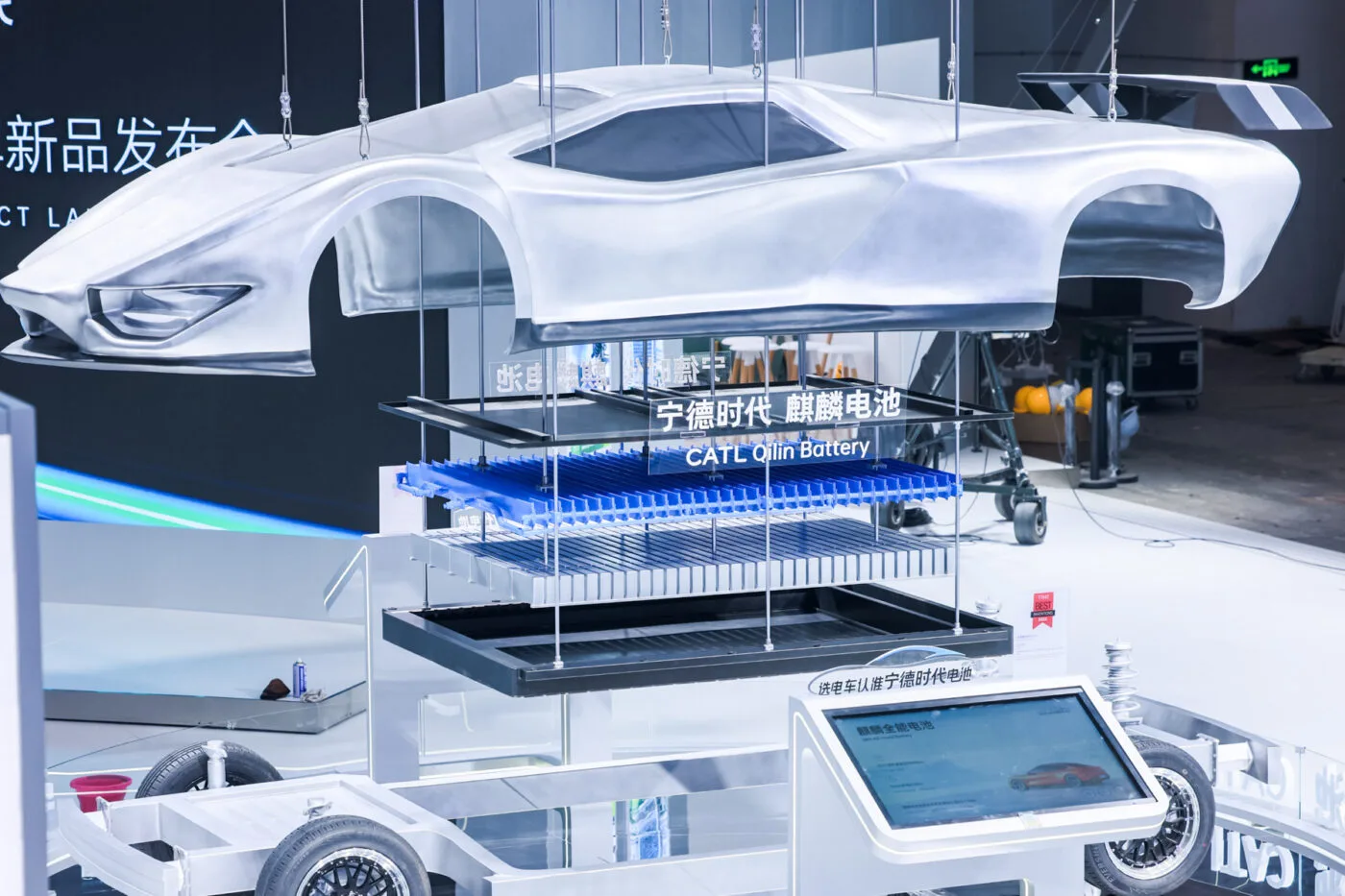
A deeper dive into the battery market reveals a clear and accelerating shift in manufacturing power towards China, a trend with profound strategic implications for the energy sector. Chinese manufacturers now collectively command a dominant position, with CATL leading the pack at a 37% market share, having installed 254.5 GWh of capacity so far this year. Following closely is BYD, securing an 18% market share with 124.8 GWh, marking an exceptional 50% year-over-year growth. The combined strength of the top three Chinese players alone accounts for nearly 60% of the global EV battery market. This isn’t merely about market share; it reflects a strategic national imperative to control the future of mobility and energy. BYD’s success, for instance, is rooted in its extensive vertical integration, from battery production to vehicle manufacturing, enabling it to leverage significant price advantages and expand rapidly into global markets, including Europe. For oil investors, this Chinese-led dominance means the transition away from fossil fuels in transportation could be faster and more pervasive than anticipated. As our readers frequently inquire about the performance of specific oil and gas companies, such as their outlook for Repsol, it becomes imperative for traditional E&P firms to adapt. Those heavily reliant on gasoline demand might face increasing pressure, prompting a need for strategic diversification, investment in low-carbon solutions, or a sharpened focus on capital efficiency to maximize returns in a potentially shrinking market.
Navigating Immediate Volatility Amidst Structural Shifts: OPEC+ in Focus
While the long-term threat of EV battery expansion looms, the immediate oil market is gripped by acute volatility. As of today, Brent crude trades at $90.38, reflecting a significant 9.07% decline, while WTI crude stands at $82.59, down 9.41% within the same trading session. This sharp downturn is part of a broader trend, with Brent having shed nearly 20% of its value over the past two weeks, dropping from $112.78 to its current level. Gasoline prices have also felt the pressure, now at $2.93, down 5.18%. This immediate market pressure places a critical spotlight on upcoming energy events. Investors are keenly awaiting the OPEC+ Joint Ministerial Monitoring Committee (JMMC) meeting on April 19th, followed by the full OPEC+ Ministerial Meeting on April 20th. Our reader intent data shows a strong interest in “What are OPEC+ current production quotas?”, highlighting the market’s focus on potential supply adjustments. These meetings will be pivotal in determining if the alliance implements further production cuts to stabilize prices in the face of weakening demand signals. Furthermore, the API Weekly Crude Inventory report on April 21st and the EIA Weekly Petroleum Status Report on April 22nd, along with their subsequent releases on April 28th and 29th, will provide crucial short-term insights into inventory levels and demand trends. The tension between OPEC+’s short-term supply management and the accelerating, structural demand erosion from EVs creates a complex trading environment. Even if OPEC+ succeeds in propping up prices in the near term, the fundamental demand threat from electrification continues to compound, making sustained price recovery a challenging proposition.
Investor Outlook: Beyond the Barrel – What’s Next for 2026?
For investors, the confluence of immediate market volatility and the accelerating EV transition necessitates a forward-looking perspective, particularly as we look towards the end of 2026. A prominent question from our reader base this week is: “What do you predict the price of oil per barrel will be by end of 2026?” Answering this requires balancing multiple, often conflicting, forces. Short-term prices will remain heavily influenced by geopolitical developments, global economic health, and, critically, OPEC+’s cohesion and willingness to intervene. However, the rapidly expanding EV battery capacity, particularly the robust growth and market dominance of Chinese manufacturers, introduces a powerful demand-side constraint that will progressively limit upside potential for crude. The 34.9% year-over-year growth in installed battery capacity is a tangible indicator of future oil demand displacement that cannot be ignored. While OPEC+ interventions might provide a floor, the ceiling for oil prices will increasingly be pressured by the efficiency and scale of the EV transition. Investors should therefore assess their portfolios with an eye towards resilience. This includes evaluating companies’ exposure to vulnerable demand segments, their investments in diversification, and their ability to generate strong free cash flow even in a scenario of prolonged price plateaus or gradual declines. The narrative for oil investing is shifting from simply analyzing supply and demand fundamentals to understanding the pace and impact of the energy transition, with Chinese EV battery innovation now a central character in that story.