Vulcan Energy has secured a pivotal supply agreement for battery-grade lithium hydroxide monohydrate (LHM) with a subsidiary of the global commodities giant Glencore. This eight-year binding deal, covering 36,000 to 44,000 tonnes of LHM, marks a crucial milestone for Vulcan’s ‘Lionheart’ project. It solidifies Glencore as Vulcan’s fourth major customer, completing the necessary off-take agreements for Phase One project financing. For investors, this development significantly de-risks the initial phase of Vulcan’s ambitious European lithium extraction strategy, positioning the company to advance its commercial-scale operations in a rapidly evolving energy landscape. While the broader energy market faces its own set of challenges and opportunities, the successful culmination of these critical supply commitments underscores the growing strategic importance of battery materials in the global transition.
Vulcan’s Strategic Lithium Off-take Completes Phase One De-Risking
The binding agreement with Glencore is more than just a customer win; it is the final piece of Vulcan’s Phase One financing puzzle. This deal ensures an additional 36,000 to 44,000 tonnes of LHM will be supplied over eight years, bringing a significant portion of future production under long-term contract. Glencore joins an impressive roster of existing off-takers, including automotive titan Stellantis (81,000-99,000 tonnes), battery manufacturer LG Energy Solution (41,000-50,000 tonnes), and materials technology group Umicore (28,000-42,000 tonnes). Collectively, if all contracts reach the upper end of their agreed volumes, Vulcan has secured commitments for approximately 235,000 tonnes of LHM. Considering the Lionheart project aims for an annual production capacity of 24,000 tonnes of LHM, these agreements effectively lock in over a decade of production, providing substantial revenue visibility and de-risking the project’s early operational phase. For investors scrutinizing new energy ventures, such comprehensive off-take coverage is a powerful indicator of market demand and project viability, translating directly into enhanced confidence for future capital raises and construction.
Navigating Energy Transition Amidst Crude Market Volatility
While Vulcan’s focus is on battery-grade lithium, the broader energy market dynamics inevitably influence investor sentiment and capital allocation. As of today, Brent crude trades at a notable $90.38 per barrel, reflecting a sharp 9.07% decline within the trading day, with a range between $86.08 and $98.97. Similarly, WTI crude has seen a significant downturn, currently at $82.59, down 9.41% today. This recent volatility extends beyond a single trading session; Brent crude has shed nearly 20% of its value over the past two weeks, falling from $112.78 on March 30th to its current level. This pronounced market turbulence, alongside a dip in gasoline prices to $2.93, creates a complex environment for energy investments. Investors are keenly asking about the future trajectory of oil prices, with many looking for predictions on where crude will settle by the end of 2026. Such uncertainty in traditional energy markets can paradoxically boost interest in the energy transition sector, as capital seeks more stable, long-term growth opportunities in areas like battery materials. However, it also means that projects like Lionheart must demonstrate robust economics and clear execution pathways to attract capital that might otherwise remain in established, albeit volatile, oil and gas plays.
Project Milestones and Critical Path Forward
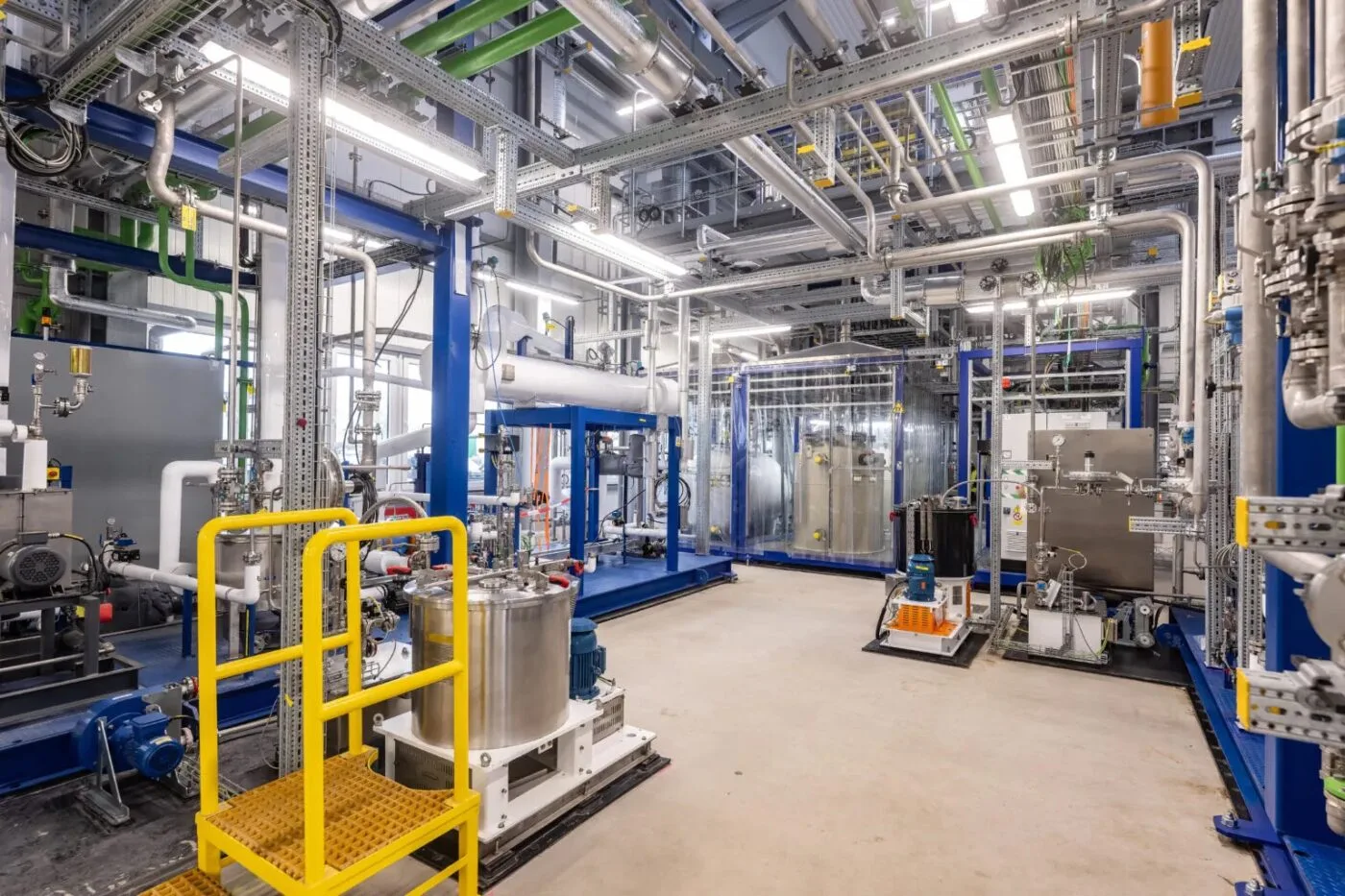
Vulcan’s journey from pilot to commercial production is a critical focus for investors. The company achieved a significant technical milestone in mid-January 2025, successfully producing battery-grade LHM for the first time at its Central Lithium Electrolysis Optimisation Plant (CLEOP) in Frankfurt-Höchst. This achievement is particularly noteworthy as it represents the first instance of entirely European-based production of battery-grade LHM, from raw material extraction in the Upper Rhine Graben to final processing. However, the current LEOP and CLEOP pilot plants operate at a 1:50 scale compared to the envisioned commercial facility. The immediate challenge now shifts to scaling up. Vulcan has already secured the building permit for its commercial LHM production plant in Frankfurt-Höchst, a vital step. The next major hurdle is finalizing the financing package for the Lionheart project, which is targeted for the fourth quarter of 2025. This financing is the direct precursor to commencing construction of the full-scale commercial plants, which will be capable of meeting the 24,000 tonnes per year production target. The successful execution of this financing phase will be a defining moment, determining the project’s timeline and Vulcan’s ability to capitalize on its secured off-take agreements.
Anticipating Market Signals and Investor Decisions
Looking ahead, the broader energy calendar holds potential influences on investor sentiment, even for projects in the battery materials sector. Upcoming events, such as the OPEC+ JMMC Meeting on April 19th and the subsequent Ministerial Meeting on April 20th, will dictate crude production policies and could introduce further volatility or stability to oil prices. Similarly, the frequent API and EIA Weekly Crude Inventory reports, scheduled for April 21st, 22nd, 28th, and 29th, provide crucial insights into supply-demand balances. While these events directly impact the oil market, their outcomes ripple across the entire energy investment landscape. Significant shifts in crude prices or perceived market stability can influence the availability and cost of capital for all energy projects, including those central to the energy transition. For Vulcan, the completion of off-take agreements has significantly de-risked the market demand side. Now, the emphasis shifts to financial execution and operational scale-up. Investors are actively seeking clarity on the future of energy pricing and supply, underscoring the interconnectedness of traditional and new energy markets as capital navigates this complex transition. Successfully securing the Lionheart project’s financing in Q4 2025, amidst these evolving market dynamics, will be a testament to Vulcan’s strategic positioning and the underlying demand for European-sourced battery materials.


