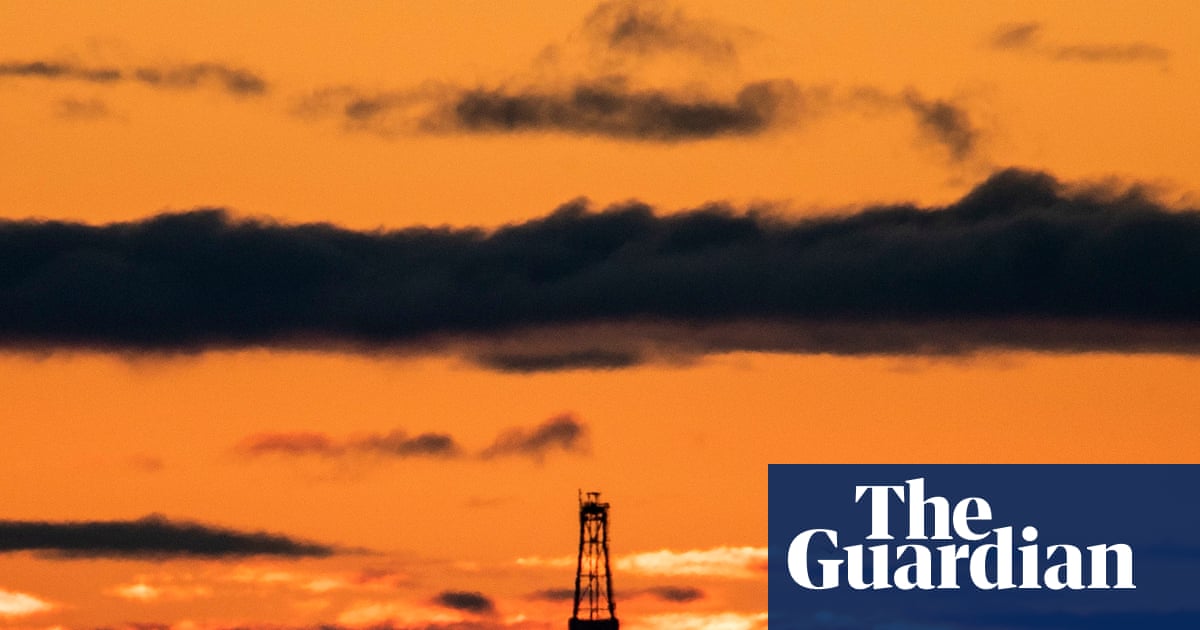
The global energy sector continually navigates a complex interplay of market fundamentals, geopolitical shifts, and evolving environmental regulations. Against this backdrop, major fossil fuel projects increasingly face intense scrutiny regarding their long-term climate impact and the associated investment risks. Woodside’s $16.5 billion Scarborough gas project, slated to commence production next year off the northern Western Australian coast, has recently become a focal point for these discussions, particularly concerning its substantial greenhouse gas emissions profile. New scientific research has quantified the project’s potential contribution to global heating and its tangible human and ecological consequences, raising significant ESG red flags for investors evaluating Woodside’s long-term viability and the broader implications for gas assets.
Quantifying Climate Impact: Scarborough’s Emission Footprint
The Scarborough project, designed to operate for three decades, is projected to release an astonishing 876 million tonnes of carbon dioxide into the atmosphere. Recent academic analysis, leveraging advanced climate attribution techniques, has endeavored to break down this vast figure into discernible real-world impacts. Scientists from multiple universities estimate that Scarborough’s emissions could contribute 0.00039 degrees Celsius to global warming. While this fraction may appear small in isolation, the research extrapolates severe consequences: potentially exposing an additional 516,000 people worldwide to unprecedented heat, leading to the loss of an extra 16 million coral colonies in the Great Barrier Reef during future bleaching events, and pushing 356,000 individuals beyond the survivable “human climate niche” with an average annual temperature exceeding 29 degrees Celsius. For investors, these aren’t just abstract environmental statistics; they represent growing regulatory pressure, potential litigation risk, and a significant challenge to the social license to operate for companies like Woodside. As Australia strengthens its emission reduction targets, the Scarborough project’s annual emissions could consume a substantial portion of the nation’s carbon budget, potentially reaching half by 2049, making the project a domestic emissions linchpin and a target for environmental advocacy.
Market Realities and Investor Sentiment Amidst ESG Concerns
The intensifying scrutiny on projects like Scarborough arrives at a time when the broader crude oil market is experiencing significant volatility. As of today, Brent Crude trades at $90.38, reflecting a substantial decline of 9.07% over the last 24 hours, with its day range stretching from $86.08 to $98.97. Similarly, WTI Crude is priced at $82.59, down 9.41%. This downward trend is part of a broader shift, with Brent having fallen from $112.78 just two weeks ago on March 30, marking a 19.9% depreciation. Such market dynamics underscore a critical juncture for energy investors: while high commodity prices might historically have buffered companies from ESG-related pressures, a softening market exposes them to greater risk. Investors are increasingly evaluating how companies like Woodside manage environmental liabilities and regulatory hurdles, especially given the current price environment. The ability to demonstrate a clear path to reducing direct greenhouse gas emissions, as Woodside claims it will do by incorporating energy efficiency measures, becomes not just an environmental imperative but a crucial factor in maintaining investor confidence and securing long-term capital in a more price-sensitive market. High-emission projects might face higher capital costs and reduced investor appetite compared to those with clearer decarbonization strategies.
Addressing Investor Queries: ESG and Long-Term Value
Our proprietary intent data reveals that investors are keenly focused on the future trajectory of oil prices and the performance of energy majors. Questions like “What do you predict the price of oil per barrel will be by end of 2026?” and “How well do you think Repsol will end in April 2026?” highlight a desire for clarity on long-term market stability and individual company resilience. For Woodside, and by extension the Scarborough project, these questions are inextricably linked to ESG performance. The project’s substantial emissions profile directly impacts Woodside’s ability to meet future emissions targets, potentially affecting its attractiveness to institutional investors with strong ESG mandates. The argument often made by project proponents that individual contributions are “small in the global context” is being challenged by new scientific methodologies. This shift means that the cumulative impact of large fossil fuel developments like Scarborough is now quantifiable and directly attributable, making it harder for companies to sidestep accountability. Investors are increasingly aware that reputational damage, regulatory fines, or even stranded asset risk stemming from environmental controversies can directly erode shareholder value, regardless of immediate commodity prices. The market is demanding a clear strategy for managing these long-term climate risks.
Navigating Future Headwinds: Upcoming Events and Strategic Implications
Looking ahead, the energy market’s direction will be shaped by several key events, which could amplify or mitigate the pressures on projects like Scarborough. The upcoming OPEC+ JMMC Meeting on April 19th and the subsequent OPEC+ Ministerial Meeting on April 20th will provide critical insights into global supply strategy. Any decisions regarding production quotas could significantly impact crude oil prices, thereby influencing the economic viability and perceived risk of new gas projects. Furthermore, weekly data releases such as the API Weekly Crude Inventory on April 21st and 28th, and the EIA Weekly Petroleum Status Report on April 22nd and 29th, will offer snapshots of demand and inventory levels, feeding into market sentiment. For Woodside, a sustained period of lower oil prices, coupled with increasing environmental activism and stricter regulatory frameworks, could put Scarborough’s long-term profitability under greater duress. The project’s emissions profile, particularly beyond 2050, is predicted to necessitate large-scale carbon dioxide removal technologies that are either nascent or not yet scalable. This implies a significant future cost burden or an inherent risk of non-compliance with future, more stringent climate policies. Investors must carefully weigh these forward-looking risks against the project’s projected returns, understanding that the landscape for large-scale fossil fuel projects is dynamically shifting towards greater environmental accountability and potentially higher operational costs for non-compliant assets.


