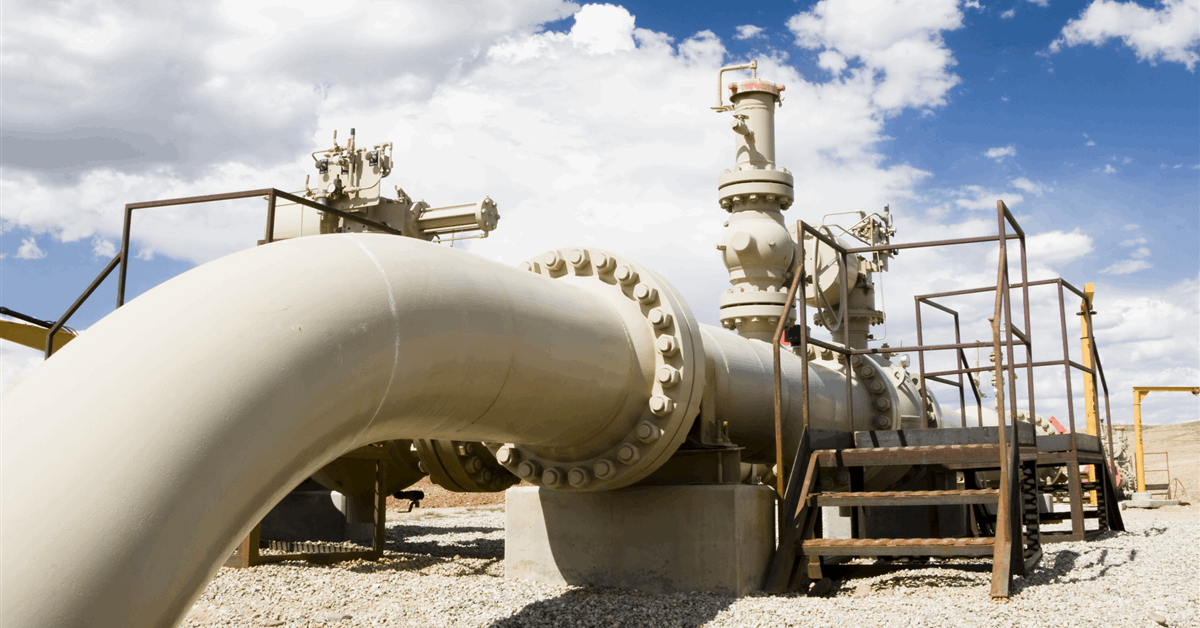
The U.S. energy landscape continues to evolve at a rapid pace, with significant capital flowing into critical infrastructure designed to bolster America’s position as a global energy exporter. A prime example is ARM Energy Holdings LLC’s recent final investment decision (FID) on the Mustang Express Pipeline project. This substantial $2.3 billion undertaking, backed by financial partners like PIMCO, signals a strong conviction in the long-term trajectory of U.S. natural gas exports, particularly liquefied natural gas (LNG), despite the persistent volatility observed in broader energy markets. For investors, understanding the strategic implications of such projects, especially against a backdrop of dynamic market conditions and upcoming pivotal events, is crucial for identifying where the next wave of value might be created.
Unpacking the Mustang Express: A $2.3 Billion Bet on LNG Expansion
ARM Energy’s Mustang Express Pipeline represents a formidable commitment to enhancing the nation’s natural gas transport capacity, adding a significant 2.5 billion cubic feet per day (Bcf/d). This 236-mile system, with a 42-inch diameter mainline stretching 178 miles from the Katy Hub to Port Arthur, is slated for completion in late 2028 or early 2029. Its primary objective is to serve as a critical feeder for Sempra Infrastructure’s Port Arthur LNG Phase II project, which recently secured its own FID and is set to double the terminal’s capacity to 26 million metric tons per annum (MMtpa). This expansion, authorized by the U.S. Department of Energy (DOE) for exports to non-free trade agreement (non-FTA) countries, allows for the export of approximately 13.5 MMtpa of LNG from Phase II alone until 2050, underscoring the long-term demand outlook. The pipeline’s strategic route, crossing four storage facilities, is designed to optimize supply chain efficiency, connecting prolific gas-producing regions directly to export terminals. With Sempra Infrastructure already committed as an anchor shipper, ARM Energy’s planned open season this month for the remaining capacity will be a key indicator of broader market interest and potential further investment opportunities.
Navigating Volatility: The Macro Backdrop for Midstream Investments
While long-term infrastructure projects like Mustang Express are designed for stability, they operate within a broader energy market that remains highly dynamic. As of today, Brent crude trades at $90.38, reflecting a notable 9.07% decline, while WTI crude stands at $82.59, down 9.41% within the day’s range. This sharp intraday correction comes on the heels of a more prolonged downturn; Brent crude has shed nearly 20% over the past two weeks, falling from $112.78 on March 30th to its current level. This macro volatility highlights the appeal of midstream assets like Mustang Express. Unlike upstream exploration and production, which are directly exposed to commodity price swings, pipelines often benefit from long-term, take-or-pay contracts that provide predictable cash flows. This contractual stability insulates investors from daily price fluctuations, making infrastructure plays an attractive proposition, especially when the underlying demand driver – in this case, global LNG exports – is robust and underpinned by strategic geopolitical and energy security imperatives.
Investor Focus: Seeking Clarity Amidst Uncertainty
Our proprietary reader intent data reveals that investors are keenly focused on forward price predictions and the factors influencing global supply. Questions such as “what do you predict the price of oil per barrel will be by end of 2026?” are frequently asked, indicating a desire for clarity amidst the current market flux. While the immediate concerns revolve around crude oil prices and OPEC+ production quotas, the investment thesis for natural gas infrastructure offers a different dimension of stability. The Mustang Express Pipeline directly addresses the critical need for reliable transport capacity to meet the growing global appetite for LNG. This project, enabled by renewed federal permitting for non-FTA exports, provides a tangible pathway for U.S. natural gas to reach international markets. For investors concerned about the volatility in crude, the long-term contracted nature of midstream assets, coupled with the structural growth in LNG demand, presents a compelling opportunity to diversify exposure within the energy sector, focusing on assets with more predictable returns.
Forward Momentum: Upcoming Catalysts for Energy Markets and Project Viability
The coming days are packed with critical market catalysts that will further shape the operating environment for energy investments, including those in natural gas infrastructure. The OPEC+ Joint Ministerial Monitoring Committee (JMMC) meeting on April 19th, followed by the full Ministerial Meeting on April 20th, will be closely watched for any signals regarding production policy adjustments that could impact global crude supply and prices. Investors will also be monitoring weekly inventory data from the API (April 21st, 28th) and the EIA (April 22nd, 29th), as well as the Baker Hughes Rig Count (April 24th, May 1st), for insights into domestic supply and demand dynamics. For the Mustang Express project specifically, the planned open season this month is a pivotal near-term event. The success of this open season, indicating strong shipper interest beyond Sempra’s anchor commitment, will validate the market’s need for the pipeline’s remaining capacity and provide a clear signal of confidence for potential co-investors in this substantial $2.3 billion undertaking. These upcoming events, both macro and project-specific, offer crucial data points for investors evaluating their positions in the evolving energy landscape.
Strategic Implications: Bolstering U.S. Energy Dominance and Global Supply Chains
The final investment decision for the Mustang Express Pipeline is more than just a capital expenditure; it’s a strategic move to solidify the U.S. role as a dominant force in global energy markets. By directly connecting high-production natural gas basins to major LNG export facilities on the Texas Gulf Coast, the project significantly enhances the efficiency and resilience of the nation’s energy supply chain. This move is particularly timely given the persistent global demand for reliable energy sources, underscored by geopolitical shifts and the ongoing energy transition. The involvement of institutional investors like PIMCO, with its commitment to infrastructure to support LNG expansion, highlights the perceived long-term value and attractive risk-adjusted returns associated with these essential assets. As the U.S. continues to expand its LNG export capacity, projects like Mustang Express are not merely facilitating trade; they are strategically reinforcing global energy security and providing a vital pathway for American natural gas to meet international needs, creating enduring value for investors focused on the foundational components of the energy economy.


