The recent announcement of Base Power securing a substantial US$1 billion in Series C funding represents a pivotal moment in the accelerating shift towards distributed energy resources (DERs) within the United States. For oil and gas investors, this isn’t merely another venture capital headline; it’s a tangible signal of the massive capital flowing into solutions designed to decentralize and fortify the nation’s power grid. This significant investment, aimed at expanding home-based energy storage networks nationally, underscores a fundamental evolution in energy infrastructure, one that warrants careful consideration alongside traditional commodity market dynamics.
The Billion-Dollar Bet on Grid Decentralization
Base Power, founded in 2023 by Zach Dell and Justin Lopas, has rapidly emerged as a key player in the distributed energy sector, deploying over 100 megawatt-hours of residential storage in under two years. The $1 billion funding round, led by Addition with continued backing from established names like Trust Ventures and Valor Equity Partners, and new commitments from CapitalG and BOND, highlights deep investor confidence in the model. This capital infusion is earmarked for a massive expansion of their home energy service, which allows users to leverage batteries during outages and support the grid during peak demand periods. Critically, grid operators compensate Base Power for this power, with payments passed on to customers, effectively offsetting their power bills.
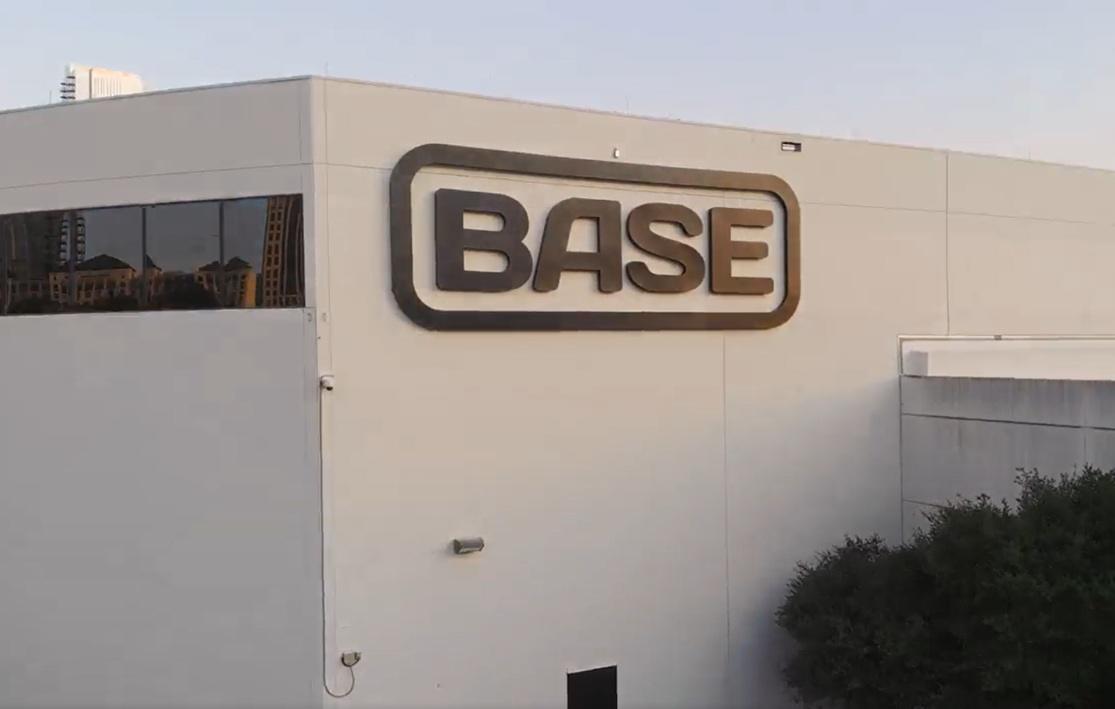
This model is more than just about battery deployment; it’s about reindustrializing the American energy landscape. COO Justin Lopas explicitly stated the company’s commitment to building domestic manufacturing capacity for energy storage and power electronics, including a new facility on the former Austin American-Statesman site. For oil and gas investors, this signifies a robust, capital-intensive infrastructure build-out that runs parallel to, and in some ways competes with, traditional centralized power generation. It signals a long-term strategic pivot towards localized energy resilience, potentially altering future demand profiles for conventional fuels in power generation.
Navigating Volatile Markets: DERs as a Stability Play
Against a backdrop of fluctuating commodity prices, investments in grid stability solutions like Base Power become increasingly compelling. As of today, Brent Crude trades at $90.38 per barrel, marking a significant 9.07% decline from its previous close, with a day range between $86.08 and $98.97. WTI Crude similarly stands at $82.59, down 9.41%, having traded between $78.97 and $90.34. This sharp daily drop follows a broader trend, with Brent having fallen from $112.78 on March 30 to its current level, a roughly 19.9% reduction in less than three weeks. Such volatility in traditional oil markets highlights the inherent risks and unpredictable nature of commodity-dependent portfolios.
In this environment, distributed energy resources offer a degree of insulation and stability. While oil and gas investors primarily focus on supply-demand fundamentals and geopolitical risks affecting crude prices, the Base Power model offers a localized solution that hedges against grid instability and potentially rising electricity costs. By enabling homeowners to reduce reliance on the main grid during peak times and even earn revenue, the proposition gains traction, especially as the broader energy sector grapples with the intermittent nature of renewables and the increasing frequency of extreme weather events. The $1 billion commitment suggests that sophisticated investors see long-term value in energy services that offer both resilience and financial benefits to consumers, irrespective of short-term crude price swings.
Texas as a Microcosm: Policy, Growth, and National Ambition
Base Power’s operational footprint, currently concentrated in the Dallas–Fort Worth, Houston, and Austin regions, offers a strategic glimpse into the future of grid modernization. Texas, a giant in both oil and gas production and renewable energy, provides a fertile testing ground for distributed energy models. The company’s recent qualification for Texas’s Aggregated Distributed Energy Resource (ADER) program is particularly significant. This program allows networks of home batteries to participate directly in the state’s power market, a critical policy enabler that not only enhances grid reliability but also empowers customers to reduce their energy costs.
For investors accustomed to large-scale, centralized energy projects, this decentralized approach, backed by supportive regulatory frameworks like the ADER program, demonstrates a viable pathway for nationwide expansion. Base Power’s strategy to expand nationally, building upon its success in Texas, indicates a scalable model that could be replicated across other states adopting similar DER policies. This regional success and clear national ambition, coupled with the commitment to domestic manufacturing, positions Base Power as a key player in shaping the future energy landscape beyond the traditional oil patch.
Investor Scrutiny: Deciphering the Energy Transition’s Pace
Our proprietary intent data reveals that oil and gas investors are grappling with fundamental questions about the future of energy markets. Queries such as “what do you predict the price of oil per barrel will be by end of 2026?” and “What are OPEC+ current production quotas?” underscore a deep-seated uncertainty regarding the long-term outlook for traditional hydrocarbons. This $1 billion investment in distributed home energy storage directly addresses a significant facet of this uncertainty: the pace and impact of the energy transition on electricity demand and supply dynamics.
While the immediate focus of many investors remains on commodity prices and upstream production, the substantial capital flowing into companies like Base Power signals a tangible acceleration in the build-out of alternative energy infrastructure. This deployment of distributed batteries, designed to enhance grid resilience and reduce reliance on centralized power, will inevitably influence long-term demand projections for natural gas in power generation. Investors must increasingly consider how these multi-billion-dollar commitments to new energy paradigms will interact with and potentially reshape the market forces that traditionally drive oil and gas valuations, moving beyond mere speculation to concrete infrastructure development.
Looking Ahead: The Interplay of Policy, Technology, and Commodity Cycles
The strategic deployment and rapid scaling of distributed energy resources, exemplified by Base Power’s expansion, will continue to intertwine with broader macroeconomic and geopolitical events. Investors should closely monitor upcoming energy events for signals that could either accelerate or temper this transition. The OPEC+ JMMC Meeting on April 19 and the subsequent OPEC+ Ministerial Meeting on April 20 are critical for setting global oil supply policy. Any decisions to significantly alter production quotas could impact crude prices, influencing the economic calculus for energy consumers and, by extension, the perceived value of energy independence offered by DERs.
Furthermore, regular data releases such as the API Weekly Crude Inventory (April 21, April 28), the EIA Weekly Petroleum Status Report (April 22, April 29), and the Baker Hughes Rig Count (April 24, May 1) provide ongoing insights into demand and upstream activity. While these reports primarily focus on traditional oil and gas, they paint a picture of the macro energy environment in which companies like Base Power are operating. A robust oil price environment, potentially sustained by OPEC+ actions, could paradoxically incentivize faster adoption of alternative energy solutions as consumers and businesses seek to mitigate energy costs and enhance resilience. Conversely, a prolonged period of lower prices might temporarily ease pressure on the transition, but the fundamental drivers for grid modernization and energy security, amplified by investments like Base Power’s, remain potent long-term forces.


