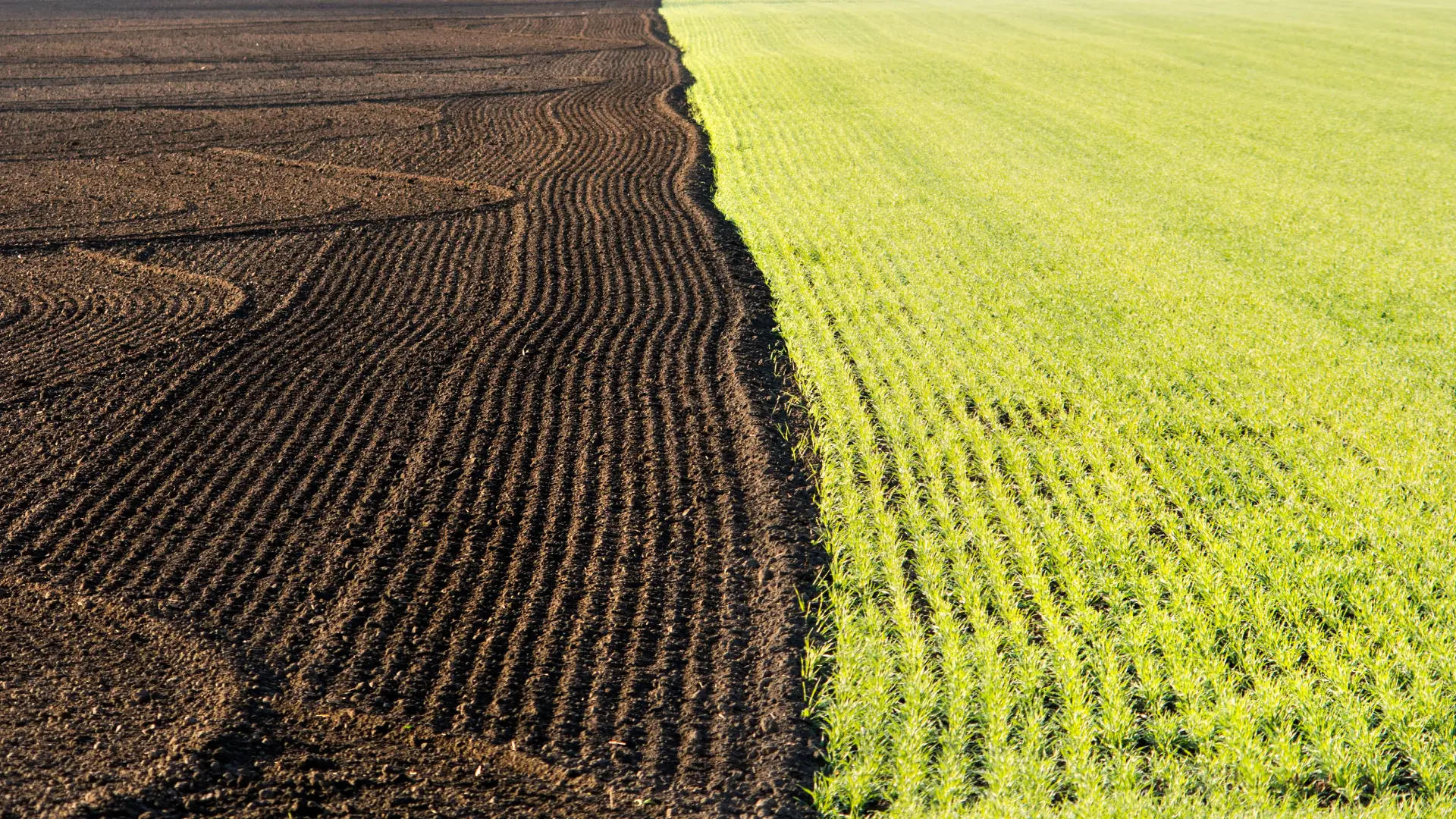
The global energy landscape continues its rapid evolution, challenging traditional investment paradigms and opening new frontiers for value creation. While the spotlight often remains on fossil fuels and renewable energy infrastructure, a powerful, often underestimated, segment is rapidly gaining traction: the voluntary carbon market, particularly in the realm of soil carbon removals. A recent landmark partnership between InSoil, a European regenerative agriculture firm, and U.S.-based environmental markets leader Anew Climate, to deliver over 500,000 verified soil carbon removals from Lithuanian farms, signals a significant maturation in this nascent but critical sector. This deal, among the first of its scale in Central and Eastern Europe, not only provides high-quality carbon credits but also channels vital finance towards climate-positive farming practices, offering a compelling investment thesis for diversified portfolios in an increasingly carbon-conscious world.
The Emerging Investment Thesis in Soil Carbon Removals
The InSoil-Anew Climate collaboration represents a pivotal moment for the burgeoning soil carbon market. This four-year agreement is set to supply more than 500,000 independently verified soil carbon removals, sourced from approximately 20,000 hectares of Lithuanian farmland. What makes this particular initiative stand out is its robust verification framework. The credits are developed under Verra’s rigorous VCS VM0042 standard and independently validated by SCS Global, confirming an impressive average carbon sequestration rate of 2.27 tonnes of CO₂ equivalent per hectare per year. This level of transparency and third-party validation is crucial for establishing trust and attracting institutional capital into a market often scrutinized for credit quality.
Furthermore, the financial mechanism of this partnership offers a blueprint for scaling regenerative agriculture. The agreement includes pre-sold carbon volumes, a relatively rare feature that enables early payments to participating farmers. This upfront capital acts as a powerful incentive, mitigating the financial risks associated with transitioning to new, climate-positive methods such as cover cropping, conservation tillage, and crop diversification. For investors, this structure reduces project risk and accelerates the adoption of practices that not only sequester atmospheric carbon but also enhance soil health, improve water retention, and boost biodiversity, creating a resilient and sustainable agricultural value chain. Deliveries for these high-quality carbon removals are anticipated to begin in late 2025 or early 2026, offering a clear timeline for market impact.
Navigating Energy Market Volatility and Diversifying Portfolios
Against the backdrop of this innovative carbon market development, the traditional energy sector continues to exhibit significant volatility, underscoring the importance of diversified investment strategies. As of today, Brent crude trades at $90.38, reflecting a substantial 9.07% decline within the day, with its range fluctuating between $86.08 and $98.97. Similarly, WTI crude is priced at $82.59, down 9.41%, having traded between $78.97 and $90.34. This sharp daily correction follows an even more pronounced trend; our proprietary data reveals Brent crude has shed nearly 19.9% of its value, dropping from $112.78 just two weeks ago on March 30th to its current level. Such dramatic swings highlight the inherent risks and geopolitical sensitivities embedded in fossil fuel investments.
In this environment, the appeal of alternative energy transition assets, including high-integrity carbon credits, grows stronger. Corporations worldwide are facing increasing pressure to meet ambitious ESG (Environmental, Social, and Governance) targets and achieve net-zero emissions. This creates a sustained demand for verifiable carbon removals, offering a compelling counter-cyclical or uncorrelated asset class compared to traditional oil and gas. For investors seeking to de-risk portfolios or align with global decarbonization efforts, allocating capital to projects like InSoil’s, which offer tangible, data-backed environmental benefits, represents a strategic move away from direct exposure to commodity price gyrations.
Upcoming Catalysts and Investor Sentiment in a Shifting Landscape
Investor questions currently signal a strong focus on the future trajectory of traditional energy markets. Our proprietary intent data indicates that investors are keenly interested in predicting oil prices by the end of 2026 and understanding the nuances of OPEC+ production quotas. These questions underscore the ongoing uncertainty and the critical influence of cartel decisions on global supply dynamics. The upcoming OPEC+ Joint Ministerial Monitoring Committee (JMMC) meeting on April 19th, followed by the full OPEC+ Ministerial Meeting on April 20th, will undoubtedly be key catalysts. Decisions emanating from these gatherings could introduce further volatility or stability into crude prices, directly impacting the investment calculus for both traditional energy and its alternatives.
Beyond OPEC+, market participants will closely monitor weekly data releases, including the API Weekly Crude Inventory reports on April 21st and 28th, and the EIA Weekly Petroleum Status Reports on April 22nd and 29th. These provide crucial insights into U.S. supply and demand fundamentals. While these events directly influence oil prices, their outcomes also indirectly shape the broader investment appetite for energy-related assets, including the voluntary carbon market. A period of sustained high oil prices might spur greater investment in carbon reduction technologies as companies seek to mitigate emissions costs, whereas significant price drops could temporarily ease pressure but also highlight the long-term imperative of decarbonization as a hedge against future fossil fuel dependency.
Scaling Regenerative Agriculture: A Long-Term Growth Vector
The vision extending beyond the initial Lithuanian project further solidifies the long-term investment potential in regenerative agriculture and soil carbon. InSoil has ambitious plans to expand its Carbon Farming Program into Poland and Ukraine, aiming to extend the benefits of these climate-positive practices across a broader swath of Europe’s productive farmland. This strategic expansion is not merely about increasing carbon removal volumes; it’s about establishing a scalable, standardized framework for soil carbon accounting that can significantly contribute to regional sustainability goals and Europe’s overarching Net Zero strategy.
The dual benefit of such initiatives—sequestering carbon while simultaneously improving agricultural resilience through enhanced soil health, greater water retention, and reduced erosion—creates a powerful economic and environmental value proposition. For investors, this represents a tangible opportunity to participate in a market that offers both environmental impact and financial returns, driven by growing corporate demand, robust verification standards, and a clear path to scalability. As the world accelerates its transition away from fossil fuels, high-quality, verifiable soil carbon projects like InSoil’s offer a compelling avenue for capital deployment, aligning investment portfolios with the imperative of a decarbonized future.


