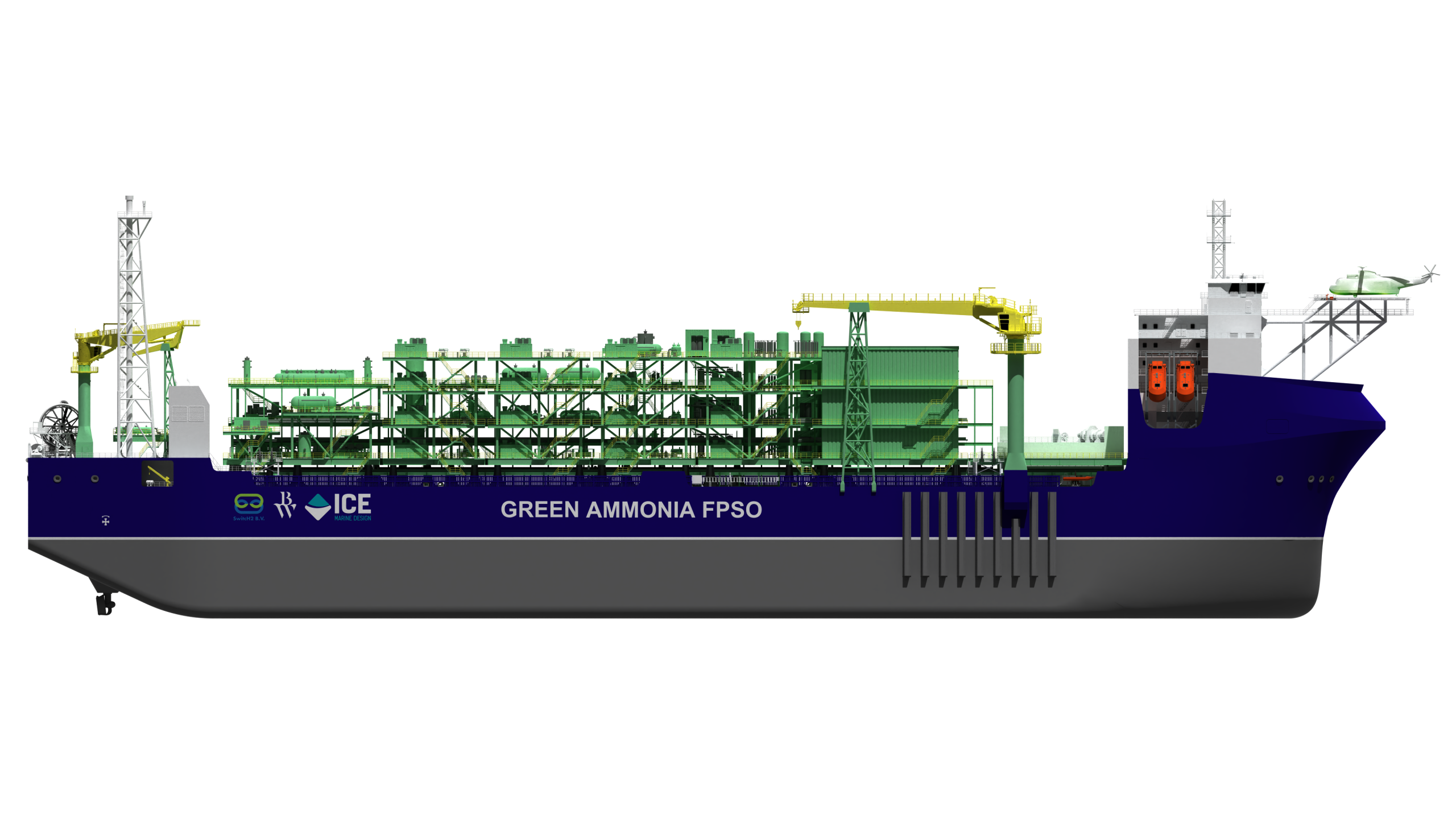
The energy landscape is undergoing a profound transformation, and nowhere is this more evident than in the growing convergence of traditional offshore infrastructure with cutting-edge renewable energy solutions. The recent agreement between ABB and SwitcH2 to develop a green ammonia Floating Production, Storage & Offloading (FPSO) vessel off the coast of Portugal marks a significant milestone in this evolution. This venture is not merely a technical achievement; it represents a strategic pivot for major industrial players and offers a compelling case study for investors navigating the energy transition. For those monitoring long-term value creation in the oil and gas sector, understanding these integrated projects, which leverage established offshore expertise for sustainable fuel production, is critical.
The Strategic Imperative of Green Ammonia Production
The SwitcH2 green ammonia FPSO project is a bold commitment to decarbonizing the marine transport sector, a significant contributor to global emissions. This facility, powered by a 300-MW electrolyzer, is projected to produce an impressive 243,000 metric tons of green ammonia annually. Positioned offshore Portugal, the project benefits from certified renewable electricity secured via a Power Purchase Agreement, ensuring its low-carbon footprint from inception. ABB’s involvement extends to supplying critical automation and electrification solutions, including a prefabricated eHouse, robust electrical distribution systems, and its advanced ABB Ability™ System 800xA® Integrated Control and Safety System (ICSS). This comprehensive suite, with integrated cybersecurity, underscores the complexity and high technological demands of next-generation offshore energy production. For investors, this collaboration highlights the increasing value of companies capable of providing integrated, secure, and efficient solutions for these nascent green energy value chains, transforming the very definition of “offshore production.”
Navigating Volatility: The Crude Market’s Influence on Green Investments
While the long-term vision for green energy projects like the SwitcH2 FPSO is clear, the current energy market remains a dynamic and often volatile environment that influences capital allocation. As of today, Brent Crude trades at $90.38, marking a significant 9.07% decline within the day, with its range fluctuating between $86.08 and $98.97. This sharp downturn follows a broader trend, with Brent shedding $22.4, or nearly 20%, from $112.78 just two weeks ago. Similarly, WTI Crude stands at $82.59, down 9.41%. This immediate market volatility naturally prompts investors to ask about the future price of oil per barrel, a common query our platform observes. While short-term price swings might make traditional oil and gas investments appear more or less attractive, the sustained push for decarbonization, exemplified by ventures like the green ammonia FPSO, demonstrates a long-term capital shift independent of daily crude fluctuations. Companies that can bridge conventional energy infrastructure with renewable solutions are increasingly seen as resilient against these cycles, representing diversified plays in an unpredictable market.
Upcoming Catalysts and Project Milestones
The timeline for the SwitcH2 green ammonia FPSO project offers clear milestones for investors to monitor. Front-end engineering and design (FEED) work is slated to continue through mid-2026, leading to a crucial Final Investment Decision (FID) anticipated in the third quarter of 2026. Construction is then scheduled to commence in 2027. These dates are pivotal, signaling concrete progress in the energy transition. In parallel, the broader energy market will be shaped by several immediate upcoming events. The OPEC+ Joint Ministerial Monitoring Committee (JMMC) Meeting on April 19th, followed by the full OPEC+ Ministerial Meeting on April 20th, could introduce significant supply-side shifts that impact crude prices and, by extension, the economic calculus for alternative fuels. Subsequent API and EIA weekly inventory reports throughout April and early May will provide further data on demand and supply dynamics. For investors, tracking these conventional market events alongside the development of innovative projects like the SwitcH2 FPSO provides a holistic view of where capital is flowing and how quickly the energy transition is gaining momentum, influencing portfolio weighting across the energy spectrum.
Investor Focus: Data, Decarbonization, and Long-Term Value
Our proprietary data indicates that investors are increasingly sophisticated in their inquiries, moving beyond simple price predictions to deeper questions about market intelligence, such as “What data sources does EnerGPT use?” and “What APIs or feeds power your market data?” This reflects a growing demand for robust, transparent information to inform complex investment decisions. The green ammonia FPSO project perfectly illustrates why this data is crucial. It’s a testament to how established industrial leaders like ABB are committing to decarbonization strategies, recognizing green ammonia as a technically viable method for addressing marine transport emissions. This commitment to leveraging renewable energy for low-carbon value chains represents a significant opportunity. For investors seeking long-term growth, understanding these strategic partnerships and the technological advancements they bring is paramount. While questions about current OPEC+ production quotas remain relevant for short-term trading, the substantial capital flowing into projects like the SwitcH2 FPSO underscores a fundamental belief in the energy transition, positioning companies at its forefront as attractive long-term holdings in a rapidly evolving global energy matrix.