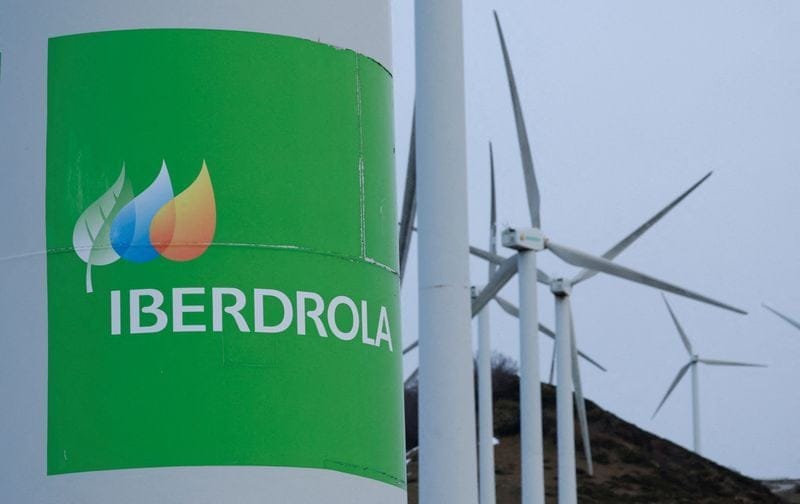
The global energy landscape continues its multifaceted transformation, pushing traditional players to diversify and new innovators to scale. A recent strategic move by Iberdrola, leading a €1 million financing round in Spain’s carpooling platform TRIBBU via its PERSEO innovation program, underscores this persistent pivot towards sustainable mobility. For investors accustomed to evaluating upstream and downstream oil & gas plays, understanding these strategic diversifications is no longer optional but critical. This investment signals a clear intent from a major utility to capture value in the burgeoning green transport sector, leveraging digital solutions to drive certified emissions reductions and align with national decarbonisation mandates. It highlights a growing trend where energy companies are not just producing power but actively shaping how that power is consumed, particularly in urban environments, creating new avenues for growth that extend far beyond traditional kilowatt-hour sales.
Iberdrola’s Strategic Play in the Green Mobility Ecosystem
Iberdrola’s latest move into TRIBBU, previously known as Hoop Carpool, is more than just a venture capital investment; it’s a strategic alignment with the future of urban transport. TRIBBU’s platform facilitates shared daily commutes, targeting an ambitious 15 million shared trips by 2027. This scale-up has the potential to prevent over 60 million tonnes of CO₂ emissions, a significant contribution to Spain’s national climate targets. What makes TRIBBU particularly compelling is its innovative model of monetizing certified energy savings, translating them into financial incentives for users, with drivers receiving approximately €1 per shared trip. This mechanism, verified under Spain’s official energy efficiency certificate system, creates a direct economic feedback loop for sustainable behavior. For investors, this represents a scalable, measurable impact investment, demonstrating how digital solutions can unlock value in the energy transition by tackling demand-side challenges in mobility, a sector historically dominated by fossil fuel consumption. Iberdrola, having invested €400 million in research, development, and innovation (R&D&I) in 2024, uses its PERSEO fund to identify and scale such transformative technologies, linking early-stage innovation to industrial-scale deployment.
Market Volatility and the Enduring Decarbonization Imperative
While strategic green investments like Iberdrola’s continue to accelerate, the broader energy market remains highly dynamic. As of today, Brent Crude trades at $90.38, reflecting a significant -9.07% decline within the day, with its range fluctuating between $86.08 and $98.97. Similarly, WTI Crude stands at $82.59, down -9.41%, having traded between $78.97 and $90.34. Gasoline prices have also dipped, now at $2.93, a -5.18% decrease. This recent downturn is part of a larger trend, with Brent having fallen by nearly 20% in the last 14 days, from $112.78 on March 30 to its current level. This market volatility, while impacting short-term profitability for traditional oil and gas producers, paradoxically reinforces the long-term strategic imperative for diversification. For companies like Iberdrola, the commitment to decarbonization and the pursuit of new, sustainable revenue streams remains steadfast, often decoupled from the immediate swings in crude prices. For oil and gas investors, this divergence highlights the increasing need to evaluate portfolios not just on current commodity prices, but on their strategic resilience and positioning for a future where energy demand is met by an increasingly diverse and cleaner energy mix, including innovative mobility solutions.
Upcoming Events and Investor Focus on Future Demand
The immediate future holds several key events that will shape the traditional oil and gas market, even as the energy transition gains traction. Investors are keenly watching the upcoming OPEC+ Meeting scheduled for April 19. This full ministerial gathering is critical, as potential decisions on production quotas will directly influence supply dynamics and, consequently, crude prices in the coming weeks and months. Our readers are actively asking about “OPEC+ current production quotas” and “what do you predict the price of oil per barrel will be by end of 2026,” underscoring the high stakes involved. Any surprise increase in quotas could further depress prices, potentially making green alternatives like carpooling even more economically attractive relative to private car ownership, especially if gasoline prices follow crude downwards. Furthermore, the weekly API and EIA inventory reports (April 21/22 and April 28/29) and the Baker Hughes Rig Count (April 24 and May 1) will offer crucial insights into short-term supply and demand balances in the U.S. These data points, while critical for understanding current market conditions, must be viewed through the lens of a broader energy transition that is systematically working to reduce reliance on fossil fuels. For instance, questions about “How well do you think Repsol will end in April 2026” from our readers reveal a focus on how traditional energy giants, particularly in Spain, are navigating this complex environment, balancing conventional operations with increasing investments in sustainability.
Navigating the Investment Horizon: Beyond the Barrel
The investment in TRIBBU by Iberdrola is a microcosm of a larger trend that requires oil and gas investors to expand their analytical frameworks. The value proposition is shifting from pure commodity extraction and processing to integrated energy services, efficiency, and carbon reduction. The 55,000 registered users and over 500,000 shared trips already facilitated by TRIBBU demonstrate a tangible market for such solutions. The target of 15 million trips by 2027, backed by significant capital and strategic input from a major utility, suggests a path to substantial scale and impact. For long-term investors, this signals a need to assess companies not just on their current hydrocarbon reserves or refining margins, but on their strategic agility, their investment in enabling technologies, and their ability to capture value from the decarbonization journey. Companies that successfully integrate digital platforms and consumer-centric solutions into their energy transition strategies are better positioned to generate resilient returns. This includes understanding new metrics like “certified energy savings” and the financial incentives they generate, which represent new forms of value creation distinct from traditional energy commodity markets. The evolving energy landscape demands a forward-looking perspective, where strategic diversification into green transport and other clean technologies is not merely an ESG play, but a core component of sustainable growth and long-term shareholder value creation.


