Belgian LNG Blockade Highlights European Energy Security Risks Amidst Volatile Markets
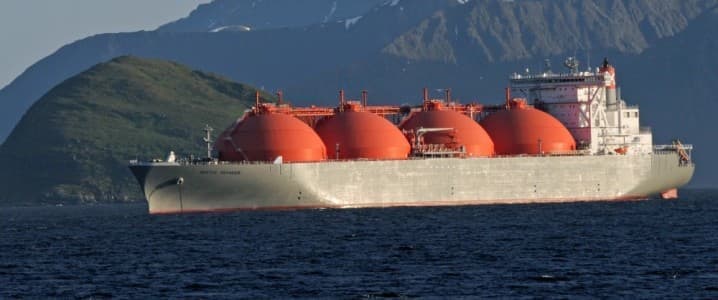
The recent blockade of Belgium’s Zeebrugge LNG terminal by environmental activists has cast a spotlight on the intricate and often fragile nature of Europe’s energy supply chains. This disruption, which forced the diversion of at least three LNG tankers carrying both U.S. and Russian cargoes, underscores the persistent challenges facing the continent’s energy transition and its ongoing reliance on imported natural gas. While the terminal operator, Fluxys, maintained that internal operations remained unaffected, the temporary restriction on tanker access through Sunday created immediate logistical headaches and highlighted the potential for localized events to ripple through an already sensitive market. For investors, this incident serves as a critical reminder of the geopolitical and operational risks inherent in the European gas market, even as broader energy prices navigate significant shifts.
Diversion Costs and Supply Chain Vulnerabilities
The Zeebrugge blockade directly impacted at least three vessels: the Megara and Rias Baixas Knutsen, both laden with U.S. LNG, and the LNG Phecda, carrying a Russian cargo. Forcing these tankers to alter course incurs substantial financial penalties, including demurrage charges, additional fuel consumption, and delays in delivery schedules. Zeebrugge is not merely an import facility for Belgium; it functions as a crucial re-export hub, frequently redirecting Russian LNG volumes to strategic markets in Spain, Italy, and across Asia. Any interruption at such a pivotal junction therefore has a cascading effect, potentially tightening regional supply and increasing costs further down the distribution chain. This incident exposes the vulnerability of Europe’s diversified, yet still concentrated, LNG import infrastructure to targeted actions, adding another layer of complexity to supply risk assessments for energy companies and their investors.
Europe’s Complex Gas Calculus: Sanctions, Demand, and Storage
Europe’s energy landscape remains in a state of flux, balancing ambitious decarbonization goals with immediate security needs. The continent’s reliance on LNG continues to grow, with the International Energy Agency projecting a 25% increase in EU imports for 2025, where U.S. cargoes are expected to capture more than half of this incremental supply. Despite efforts to reduce dependence on Moscow, Belgium imported approximately 2.3 million tonnes of Russian LNG in the first eight months of 2025, positioning it as the second-largest buyer after France. Non-governmental organizations estimate that the bloc has sent approximately €8.1 billion to Moscow this year through LNG purchases alone. Brussels has proposed a complete phase-out of Russian gas by 2027, with the first-ever EU sanctions on Russian LNG set to take effect in January 2027. This dual reality—increasing overall LNG demand while simultaneously attempting to sanction a key supplier—creates inherent market tension. Moreover, European gas storage levels, reported at only 39% full at mid-year, remain well below seasonal averages, indicating a persistent need for robust and uninterrupted LNG imports to bolster winter reserves.
Macro Headwinds Challenge Energy Sector Sentiment
While localized disruptions like the Zeebrugge blockade highlight specific supply risks, the broader energy market is currently experiencing significant macro pressures. As of today, April 19, 2026, Brent Crude trades at $90.38 per barrel, a notable decline of 9.07% within the day, having ranged between $86.08 and $98.97. Similarly, WTI Crude stands at $82.59, down 9.41%, with a daily range of $78.97 to $90.34. This downturn is not an isolated event; Brent has seen a substantial correction over the past two weeks, dropping from $112.78 on March 30, 2026, to its current $90.38, representing a 19.9% decrease. This significant price depreciation in crude markets, coupled with gasoline prices also seeing a 5.18% drop to $2.93 today, suggests a broader softening in energy demand sentiment or an expectation of increased supply. Interestingly, this crude weakness contrasts with the Dutch TTF gas benchmark, which fell by more than 3% to 10.82 on Thursday, despite the Zeebrugge and French LNG strike disruptions, reflecting a nuanced interplay between global crude dynamics and regional gas market specifics. Investors are keenly watching these trends, with many asking about the trajectory for oil prices by the end of 2026 and the production quotas of key groups like OPEC+, indicating a focus on fundamental supply-demand balances and policy decisions.
Upcoming Catalysts and Forward-Looking Investor Outlook
The next fourteen days are packed with critical events that will undoubtedly shape the near-term trajectory for crude and natural gas markets. Today, April 19, 2026, marks the Full Ministerial OPEC+ Meeting, a pivotal gathering where producers will deliberate on output levels. Given the recent steep decline in crude prices, market participants are on high alert for any indications of adjusted production quotas that could either stabilize or further destabilize the market. Following this, investors will scrutinize the API Weekly Crude Inventory reports on April 21st and 28th, along with the EIA Weekly Petroleum Status Reports on April 22nd and 29th. These inventory figures provide crucial insights into U.S. supply and demand dynamics. Additionally, the Baker Hughes Rig Count on April 24th and May 1st will offer a read on North American drilling activity and future production trends. These data points, combined with ongoing geopolitical developments and Europe’s persistent energy security concerns, will dictate investor confidence and drive portfolio adjustments for companies operating across the oil and gas value chain. Companies like Repsol, which have diversified energy portfolios spanning upstream, refining, and renewables, will be particularly sensitive to these combined market signals as April 2026 draws to a close.


