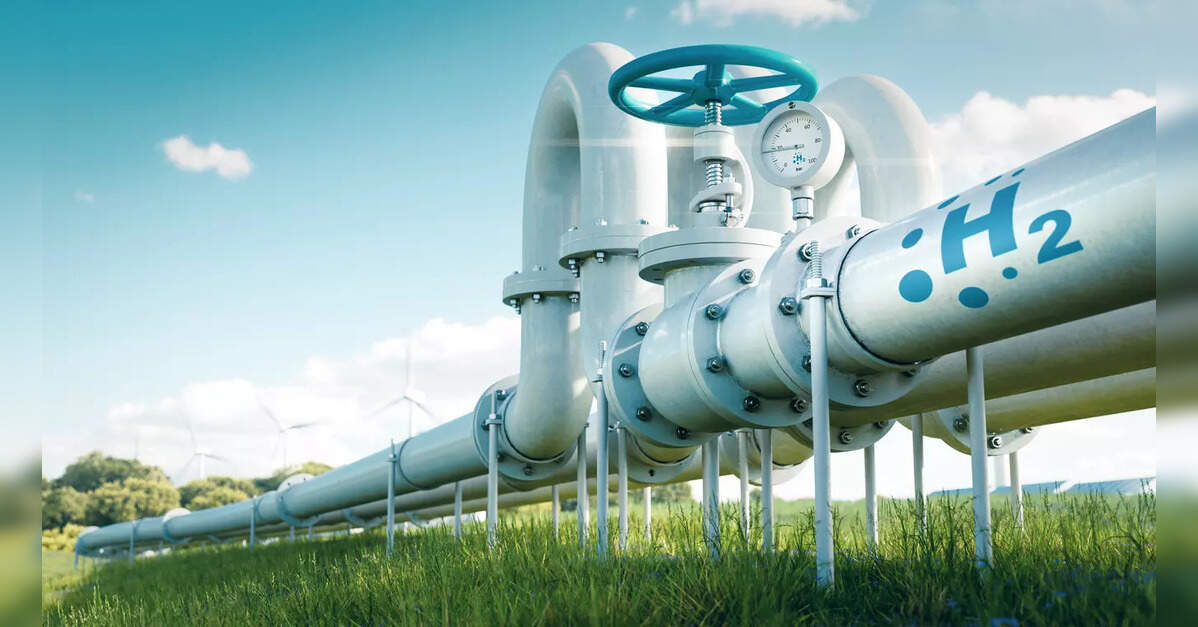
India’s energy landscape is on the cusp of a transformative shift, presenting significant opportunities and challenges for investors closely monitoring the global energy transition. The Petroleum and Natural Gas Regulatory Board (PNGRB) has unveiled a meticulously crafted roadmap for the phased integration of hydrogen into existing natural gas pipeline networks. This strategic move, detailed in a joint report by PNGRB’s Hydrogen Cell and ICF Consulting India, isn’t merely a technical guideline; it’s a foundational policy document that will shape capital allocation, infrastructure development, and the future profitability of city gas distribution (CGD) companies across one of the world’s most rapidly expanding energy markets. For investors, understanding the nuances of this regulatory framework is paramount to identifying early-mover advantages and mitigating potential risks in a sector poised for dynamic change.
Charting the Phased Hydrogen Integration for Investors
The PNGRB’s roadmap delineates a clear, step-wise approach to hydrogen blending, balancing technical feasibility with safety and infrastructure readiness. Initially, blending up to 2 percent hydrogen is deemed safe for all networks, requiring no modifications to existing appliances. This low-threshold entry point offers immediate, albeit modest, decarbonization benefits without significant upfront capital expenditure for operators, providing a crucial starting block for India’s hydrogen economy. As blending ratios increase, so do the requirements: 2-5 percent blends necessitate continuous monitoring for early-phase pilots, while 5-10 percent requires pre-approved materials and enhanced leak detection systems. Significantly, blends of 10-20 percent will demand certified appliances, standard operating procedures, and comprehensive risk mitigation protocols. Beyond 20 percent, the report indicates feasibility primarily in new networks or following extensive infrastructure adaptation.
This phased rollout provides a structured investment pathway. CGD operators, pipeline infrastructure companies, and equipment manufacturers will need to strategically plan upgrades and R&D investments in line with these escalating requirements. The report explicitly considers critical criteria such as pipeline material compatibility, network age and condition, and the sensitivity of end-users like hospitals and food processing units. These factors will dictate where and how quickly higher blending ratios can be implemented, creating regional disparities in investment timelines and opportunities. Investors should scrutinize company portfolios for exposure to modern, adaptable infrastructure or those with strong R&D capabilities in hydrogen-compatible technologies.
Economic Framework and Capital Allocation in a Volatile Market
Beyond the technical guidelines, the PNGRB report introduces a vital cost-modelling framework. This framework considers hydrogen procurement costs, target blending ratios, energy equivalence corrections between hydrogen and methane, and operational costs for CGD companies. It’s designed to be a crucial tool for operators in preparing annual performance review filings, for the PNGRB tariff committee in assessing hydrogen-related clauses, and for policymakers in modeling the impact of subsidies or viability gap funding on end-user tariffs. This focus on economic viability and regulatory support is critical for attracting the necessary private capital.
The timing of this clarity couldn’t be more poignant given the current energy market dynamics. As of today, Brent Crude trades at $90.38, down a substantial 9.07% within the day, with WTI Crude mirroring this decline at $82.59, down 9.41%. This significant retreat from its 14-day high of $112.78 observed on March 30th, representing nearly a 20% drop, underscores a period of heightened volatility and price uncertainty in traditional fossil fuel markets. Such market conditions often prompt energy firms and investors to re-evaluate their capital allocation strategies, potentially accelerating diversification into alternative energy sources like hydrogen. A sustained period of lower crude prices could, paradoxically, make the development of green hydrogen infrastructure more competitive by reducing the relative attractiveness of new oil and gas upstream investments, thereby funneling more capital towards energy transition projects within India’s structured regulatory environment.
Anticipating Future Catalysts and Investor Concerns
For forward-looking investors, the PNGRB’s roadmap is merely the first significant step. The true investment catalysts will emerge from subsequent policy actions, pilot project announcements, and the integration of hydrogen into specific tariffs. Our proprietary reader intent data reveals a keen interest in the future of energy prices, with many asking “what do you predict the price of oil per barrel will be by end of 2026?” and “what are OPEC+ current production quotas?”. These questions highlight a dual focus: the immediate health of the traditional oil market and the longer-term trajectory of the energy transition.
This week offers several key events that will shape the broader energy market context. The OPEC+ Ministerial Meeting scheduled for April 19th will be crucial. Any decisions on production quotas will directly impact global crude supply and, consequently, price stability, influencing the economic calculus for hydrogen adoption. Further insights into market fundamentals will come from the API Weekly Crude Inventory on April 21st and the EIA Weekly Petroleum Status Report on April 22nd, followed by the Baker Hughes Rig Count on April 24th. These regular data releases provide a pulse on supply, demand, and drilling activity, informing investor sentiment across the entire energy complex. While these events directly concern crude, their outcomes will indirectly affect the investment appetite for India’s hydrogen blending initiatives, as capital availability and strategic priorities within major energy companies are often influenced by the performance of their core fossil fuel businesses. Investors should closely monitor these developments for signals on how traditional energy firms might pivot or accelerate their clean energy investments in the coming quarters.
Strategic Positioning in India’s Evolving Energy Landscape
The PNGRB’s clarification on hydrogen blending is a landmark development, providing a tangible framework for India’s journey towards a more diversified and sustainable energy mix. It signals a robust regulatory commitment that reduces uncertainty for potential investors and technology providers. For CGD companies, this presents a clear mandate for infrastructure upgrades, operational adjustments, and potentially new revenue streams from hydrogen distribution. The phased approach, combined with the detailed cost-modelling framework, offers a transparent path for integrating hydrogen, making it easier for financial institutions to assess risks and opportunities.
We believe this move will spur significant investment in hydrogen production facilities, pipeline modifications, and hydrogen-compatible end-user appliances. Companies positioned to offer technical expertise in leak detection, material science, and operational protocols for blended gases will find strong demand. As India benchmarks against global pilot projects, the lessons learned from mature hydrogen markets will be invaluable. Investors should look for companies with strong local partnerships, an established track record in gas infrastructure, and a clear strategy for integrating hydrogen into their long-term growth plans. India’s commitment to hydrogen blending is not just an environmental initiative; it is a strategic economic imperative that will unlock substantial investment opportunities for those who understand its intricacies.


