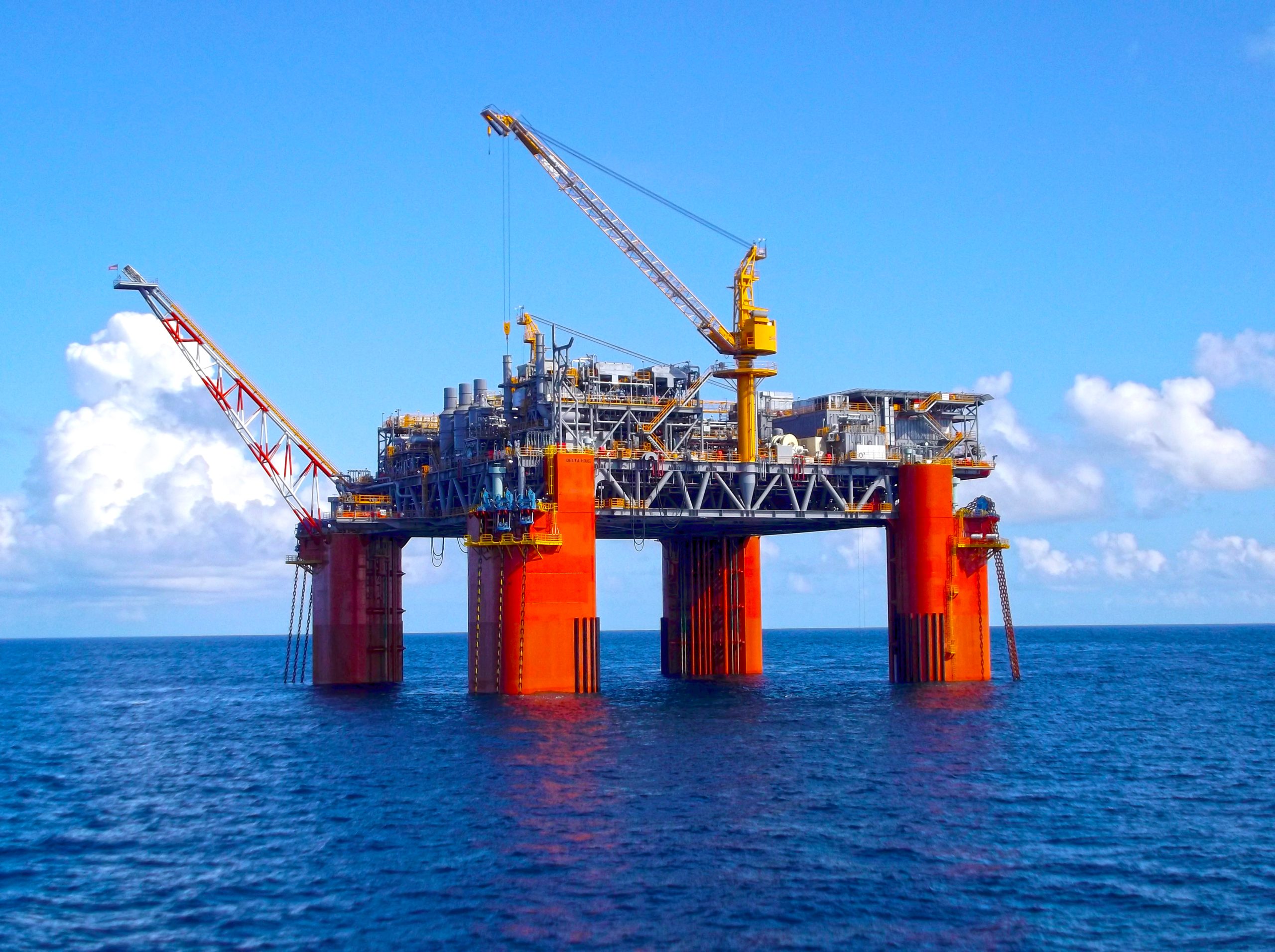
The deepwater U.S. Gulf of Mexico (GOM) continues to be a frontier for innovative energy development, and LLOG Exploration Offshore’s recent achievement at the Salamanca Floating Production Unit (FPU) underscores this strategic importance. Bringing the Salamanca FPU online and achieving first oil from the Leon field in Keathley Canyon Block 689 marks a significant milestone, not just for LLOG and its partners, Repsol and O.G. Oil & Gas, but for the broader investment landscape in offshore E&P. This project exemplifies a forward-thinking approach to resource extraction, leveraging existing infrastructure to accelerate time to market, reduce environmental footprint, and unlock substantial recoverable resources. For investors tracking the evolution of deepwater projects and their impact on global supply, Salamanca offers a compelling case study in efficiency and long-term value creation.
Salamanca: A Blueprint for Sustainable Deepwater Development
The Salamanca FPU stands out as a pioneering effort in the deepwater GOM, primarily due to its innovative reuse of a former production unit. Positioned in 6,400 feet of water, this facility represents the first time an existing Gulf production unit has been repurposed for a new development, an approach that delivers multiple strategic advantages. With an impressive capacity of 60,000 barrels of oil per day (bopd) and 40 million cubic feet per day (MMcfd) of natural gas, Salamanca is poised to become a significant contributor to the region’s energy output. The decision to refurbish an existing facility rather than constructing a new one has tangible benefits for stakeholders: it significantly cut the project’s time to market and, critically, reduced emissions intensity by nearly 90% compared with a newbuild. This commitment to lower carbon intensity, with major construction work completed efficiently in Texas and Louisiana yards, aligns well with evolving investor expectations for responsible energy development. Initial production has commenced from a previously drilled Leon well, with further ramp-up anticipated. A second Leon well and the first Castile field well are slated for late 2025, followed by a third Leon well and another Castile well in 2026, ensuring a robust pipeline of additional output.
Navigating Volatility: New Supply in a Dynamic Market
The commencement of production from Salamanca arrives at a particularly interesting juncture for global energy markets. As of today, April 19, 2026, Brent Crude trades at $90.38 per barrel, reflecting a sharp 9.07% decline in the day’s trading, moving within a range of $86.08 to $98.97. Similarly, WTI Crude has fallen by 9.41% to $82.59, with a daily range of $78.97 to $90.34. Gasoline prices have also seen a dip, currently at $2.93, down 5.18%. This recent volatility is not an isolated event; the 14-day Brent trend shows a significant depreciation from $112.78 on March 30 to the current $90.38, a reduction of $22.40 or nearly 20%. Against this backdrop of significant daily and bi-weekly price swings, the addition of stable, long-term supply from projects like Salamanca gains heightened importance. The Leon and Castile fields are expected to deliver hundreds of millions of barrels of recoverable resources, providing a crucial element of supply resilience. For investors, understanding how these long-term production assets can buffer portfolio performance against short-term market fluctuations is key. While daily price action is important, the strategic value of new, efficient deepwater output cannot be overstated in a world grappling with energy security and transition.
Investor Sentiment: Partner Performance and Future Oil Prices
Our proprietary reader intent data reveals a keen focus among investors on partner performance and future oil price trajectories. Specifically, questions like “How well do you think Repsol will end in April 2026?” and “What do you predict the price of oil per barrel will be by end of 2026?” highlight the immediate and long-term concerns. LLOG operates the Salamanca FPU, having become operator of the Leon and Castile fields in 2019 through a deal with Repsol, which remains a non-operating partner. O.G. Oil & Gas joined the partnership in 2024. For Repsol, their stake in the Salamanca project represents a valuable contribution to their deepwater portfolio, adding long-term production and potentially enhancing their financial outlook, especially as the project ramps up. While predicting precise oil prices by the end of 2026 is inherently challenging given geopolitical shifts and demand-supply dynamics, projects like Salamanca provide a critical foundational element. New, efficient supply coming online helps to alleviate potential future deficits, offering a counter-balance to the demand growth that many analysts anticipate. Investors are looking for assets that can deliver consistent value regardless of short-term market noise, and a project with hundreds of millions of barrels of recoverable resources fits that profile, contributing positively to the balance sheet of its partners.
Upcoming Catalysts and Deepwater Outlook
The deepwater GOM investment thesis, reinforced by projects like Salamanca, will continue to be influenced by a series of critical industry events in the coming weeks. Investors should closely monitor the OPEC+ Meeting scheduled for April 19, a full Ministerial session that could dictate global supply quotas and significantly impact crude price direction, directly affecting the profitability of new production. Further insights into market fundamentals will come from the API Weekly Crude Inventory reports on April 21 and April 28, followed by the EIA Weekly Petroleum Status Reports on April 22 and April 29. These reports provide vital data on U.S. crude stockpiles and demand trends. Additionally, the Baker Hughes Rig Count on April 24 and May 1 will offer a pulse check on drilling activity, indicating future supply expectations. For deepwater projects, these macroeconomic and industry-specific signals will help shape the investment landscape. Salamanca’s ability to deliver substantial, lower-emission output through an innovative reuse model positions it well to weather various market scenarios, demonstrating the enduring strategic value of deepwater assets that prioritize efficiency and environmental responsibility in their development timelines.