Sarawak’s Bold $2.76 Billion Bet on Stable Green Power: An Investor’s Perspective
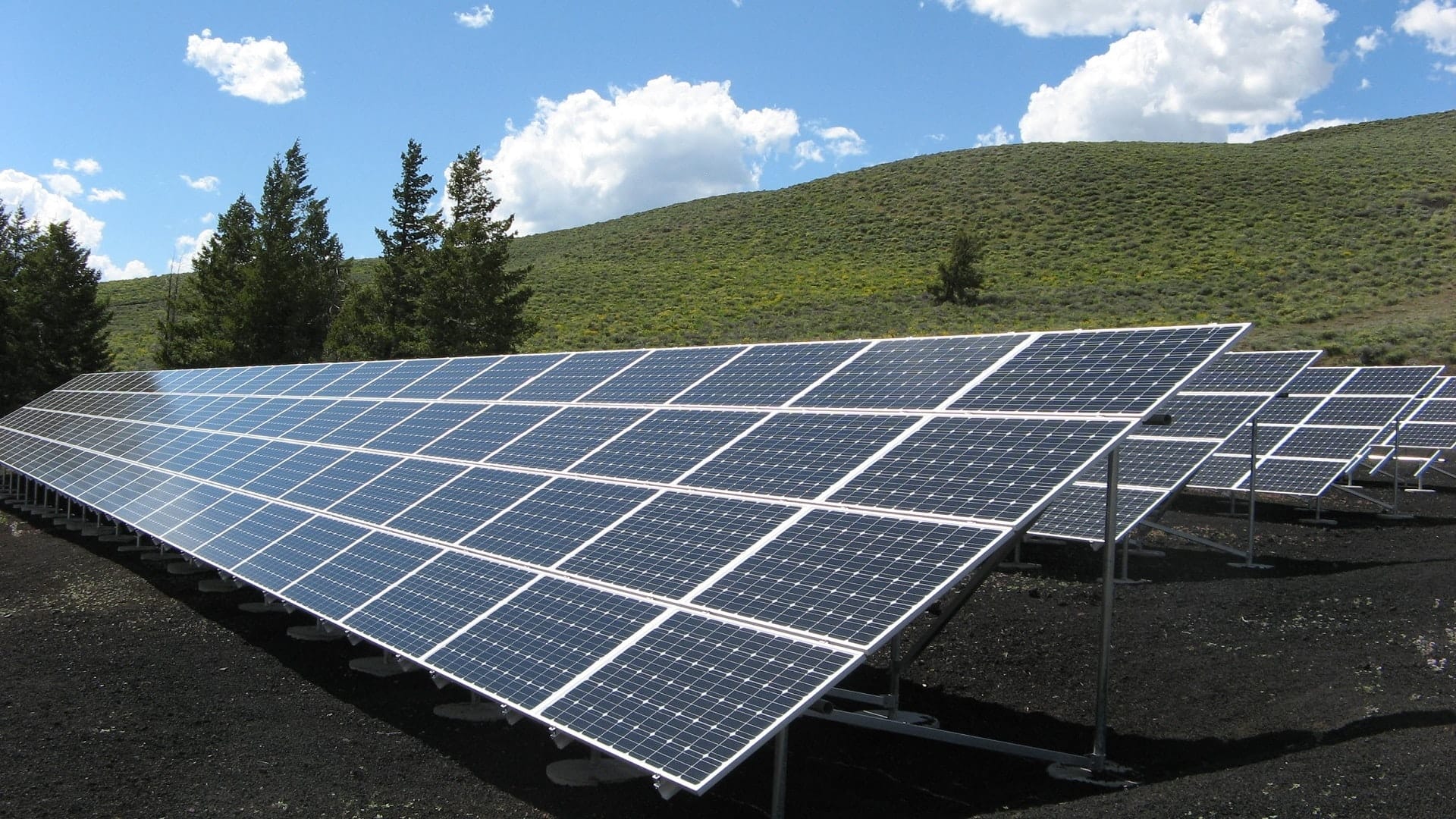
In a significant move poised to reshape its energy landscape and digital economy, Sarawak, Malaysia, is embarking on a monumental $2.76 billion hybrid solar and storage project with Founder Group Limited and Planet QEOS Sdn. Bhd. This ambitious development, featuring 310 megawatt-peak (MWp) of solar generation paired with 620 megawatt-hours (MWh) of battery energy storage, represents Malaysia’s inaugural “stable output” solar facility. It promises continuous, dispatchable power, an attribute typically reserved for conventional baseload plants. For investors navigating a complex global energy transition, this project signals a strategic pivot towards long-term, sustainable infrastructure, offering a compelling alternative to traditional fossil fuel plays and aligning with the growing demand for clean energy solutions.
De-Risking Energy Supply: Sarawak’s Vision for Dispatchable Renewables
The core innovation of the Sarawak project lies in its design to deliver “stable output” solar, effectively mimicking the reliable baseload generation historically provided by gas or hydro plants. This 310 MWp solar farm, backed by a robust 620 MWh battery storage system, aims to mitigate the intermittency inherent in renewable sources, a critical factor for industrial and digital infrastructure operations. The $2.76 billion investment underpins Sarawak’s broader strategic goal to expand its generation capacity to 10 gigawatts by 2030, a clear signal of its commitment to green energy dominance in the region. Situated in Baram, as a central pillar of the Baram DeepTech Energy Programme, this initiative is designed to catalyze rural economic growth and transform the state’s interior through advanced energy infrastructure, making it a pivotal component of the region’s energy evolution.
Clean Power Meets Digital Demand: A New Investment Frontier
Beyond simply generating power, the Sarawak project strategically co-locates a 200 MW Tier-4 data centre park, directly powering energy-intensive digital operations with locally generated renewable electricity. This integrated approach is projected to attract over $1 billion in foreign direct investment, forging a powerful nexus between clean energy and the burgeoning digital economy. For investors, this model presents an attractive proposition: exposure to the high-growth digital infrastructure sector, underpinned by a guaranteed supply of sustainable, dispatchable power, thereby de-risking reliance on potentially fossil-heavy grids. Our proprietary reader intent data reveals that investors are keenly interested in the future trajectory of oil prices, with many asking “what do you predict the price of oil per barrel will be by end of 2026?” and inquiring about “OPEC+ current production quotas.” This strong focus on traditional energy market dynamics underscores the appeal of projects like Sarawak’s. It offers a tangible diversification strategy, allowing investors to tap into growth areas less susceptible to the cyclical volatility and geopolitical influences that dominate crude markets, instead focusing on the long-term fundamentals of digital transformation and clean energy adoption.
Navigating Volatility: Green Investments Amidst Crude Price Swings
The timing of this significant renewable energy investment in Sarawak is particularly noteworthy when viewed against the backdrop of current oil market dynamics. As of today, Brent crude trades at $90.38 per barrel, representing a substantial 9.07% decline within a day, with a broad trading range between $86.08 and $98.97. This sharp downturn extends a challenging period for crude, as Brent has shed nearly 20% of its value since March 30th, falling from $112.78 to its current level. Similarly, WTI crude stands at $82.59, down 9.41% today. This pronounced volatility underscores the inherent risks and unpredictable nature of fossil fuel markets. In contrast, the $2.76 billion Sarawak project offers investors a long-term, stable asset focused on renewable energy infrastructure. The commitment to “stable output” solar, designed to mimic baseload generation, provides a predictable and dispatchable energy source, appealing to those seeking to mitigate exposure to commodity price swings and diversify portfolios with assets that offer more stable, utility-like returns. This strategic shift towards green energy in Southeast Asia highlights a growing trend of nations investing in energy security and sustainability, even as traditional energy markets grapple with significant price fluctuations.
Future Catalysts and the Evolving Energy Landscape
While the Founder Group-led consortium and Planet QEOS navigate the final stages of permitting and securing a Power Purchase Agreement (PPA) – critical steps that will solidify the project’s long-term revenue streams – the broader energy investment landscape continues to evolve. In the traditional oil and gas sector, investors are closely monitoring key upcoming events. The OPEC+ Ministerial Meeting on April 19th looms large, with potential implications for global production quotas that could significantly sway crude prices. Additionally, weekly API and EIA inventory reports throughout April and early May, alongside the Baker Hughes Rig Count, will offer crucial insights into supply-demand balances and drilling activity. However, the Sarawak project’s trajectory is tied to different, yet equally impactful, catalysts. Its success hinges on securing these foundational regulatory and commercial approvals, which will define its long-term operational and financial stability. This divergence underscores a bifurcating energy market: one segment driven by global policy, inventory statistics, and geopolitical events, and another, exemplified by Sarawak, propelled by regional development goals, technological innovation in green energy, and the establishment of robust, long-term contractual agreements. Founder Group, a NASDAQ-listed entity with a strong presence in energy and IT, leads the charge, positioning this project as a template for future large-scale renewable deployments across Southeast Asia, further embedding the region as a credible player in the global clean energy and digital economy.


