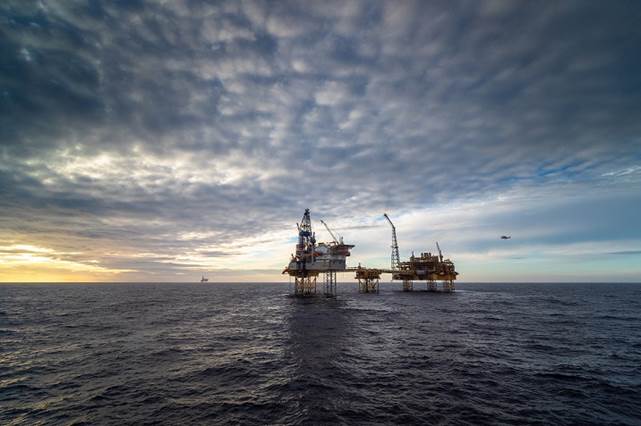
The North Sea basin, a cornerstone of global energy supply for decades, is entering a new phase characterized by accelerating decommissioning activity, stringent emissions targets, and persistent cost pressures. In this evolving landscape, operational efficiency and innovative solutions are no longer just competitive advantages but essential for survival. Recent developments underscore how strategic partnerships and tailored temporary power solutions are helping operators navigate these complex challenges, directly impacting platform margins and demonstrating a clear path for sustainable late-life asset management. For investors, understanding these micro-level efficiencies is crucial for identifying resilient opportunities in a market shaped by both geopolitical shifts and the imperative of energy transition.
Decommissioning’s Dual Challenge: Cost and Carbon
The North Sea’s mature assets increasingly demand plug and abandonment (P&A) and decommissioning work, presenting operators with a dual challenge: managing escalating costs while adhering to strict environmental regulations, particularly under the UK Emissions Trading Scheme (ETS). A recent 50-day project involving turnaround (TAR), P&A, and decommissioning operations on a North Sea platform exemplifies this dynamic. Traditionally, such projects rely on inefficient, low-load diesel turbines, leading to higher fuel consumption and emissions. However, a collaborative approach deploying modern Stage V generators in modular, containerized systems, specifically engineered for reduced load profiles, yielded significant benefits. This tailored solution helped operators avoid nearly £900,000 in additional fuel costs and prevent the release of 4.5 tonnes of CO₂ emissions. This demonstrates that innovative temporary power solutions are moving from an optional extra to a critical component of responsible and cost-effective asset retirement. Investors should note that companies providing such integrated, efficiency-driving services are well-positioned to capitalize on the accelerating decommissioning trend across the UK Continental Shelf (UKCS).
Market Volatility Amplifies the Need for Efficiency
The imperative for cost control is further underscored by the current volatility in global oil markets. As of today, Brent Crude trades at $90.38, reflecting a significant 9.07% drop within the day’s range of $86.08 to $98.97. Similarly, WTI Crude is at $82.59, down 9.41% from its daily high, with gasoline prices also seeing a notable decline of 5.18% to $2.93. This sharp downturn follows a period of considerable fluctuation; our proprietary data indicates Brent Crude has fallen by $20.91, or 18.5%, from $112.78 on March 30th to $91.87 on April 17th. Such dramatic price swings directly impact operator revenue and profitability. In an environment where crude prices can shed almost a fifth of their value in under three weeks, the £900,000 in fuel savings achieved on a single 50-day project becomes exceptionally vital. These savings, which directly boost platform margins, represent a crucial buffer against unpredictable market headwinds, making operational resilience through efficiency a key differentiator for investors assessing North Sea opportunities.
Upcoming Events and Forward-Looking Operational Strategies
Looking ahead, the next two weeks hold several key events that could influence market dynamics and, consequently, the strategic importance of operational efficiencies for North Sea operators. Investors should closely monitor the upcoming OPEC+ Joint Ministerial Monitoring Committee (JMMC) meeting on April 18th, followed by the Full Ministerial meeting on April 19th. Any decisions regarding production quotas could significantly impact global supply and price stability. A tightening market could provide some relief to margins, while increased supply could intensify cost pressures, further emphasizing the value of the demonstrated fuel savings. Beyond OPEC+, the API Weekly Crude Inventory reports (April 21st and April 28th) and the EIA Weekly Petroleum Status Reports (April 22nd and April 29th) will offer critical insights into demand health and inventory levels in the U.S., a major consumption hub. These reports, alongside the Baker Hughes Rig Count (April 24th and May 1st), provide a snapshot of both supply and demand-side pressures. For North Sea operators, whose projects often have longer lead times and higher fixed costs, a clear understanding of these market signals is essential for planning future decommissioning work and ensuring that cost-saving solutions, like modular temporary power, are integrated early into project lifecycles to mitigate future financial exposure.
Addressing Investor Concerns: Price Outlook and Resilient Investments
Our proprietary reader intent data reveals that a top concern for investors this week is the future direction of oil prices, with many asking, “what do you predict the price of oil per barrel will be by end of 2026?” This sentiment underscores the inherent uncertainty in the energy market. While specific predictions are challenging, the consistent drive towards operational efficiency, as demonstrated by the significant fuel cost reductions, provides a crucial layer of insulation against potential price volatility. Furthermore, questions about “OPEC+ current production quotas” highlight investor focus on the supply-side levers that often dictate market stability. The upcoming OPEC+ meetings will be pivotal in shaping this narrative, directly impacting the revenue streams of exploration and production companies. For investors, the takeaway is clear: in a market characterized by price uncertainty and increasing regulatory scrutiny, companies that can effectively manage late-life assets, reduce emissions, and achieve substantial cost savings through innovative engineering and supply chain collaboration represent more resilient investment opportunities. The success of tailored temporary power solutions in the North Sea offers a tangible example of how strategic planning and technological adoption can deliver tangible financial and environmental benefits, positioning these service providers as key enablers in the evolving energy landscape.