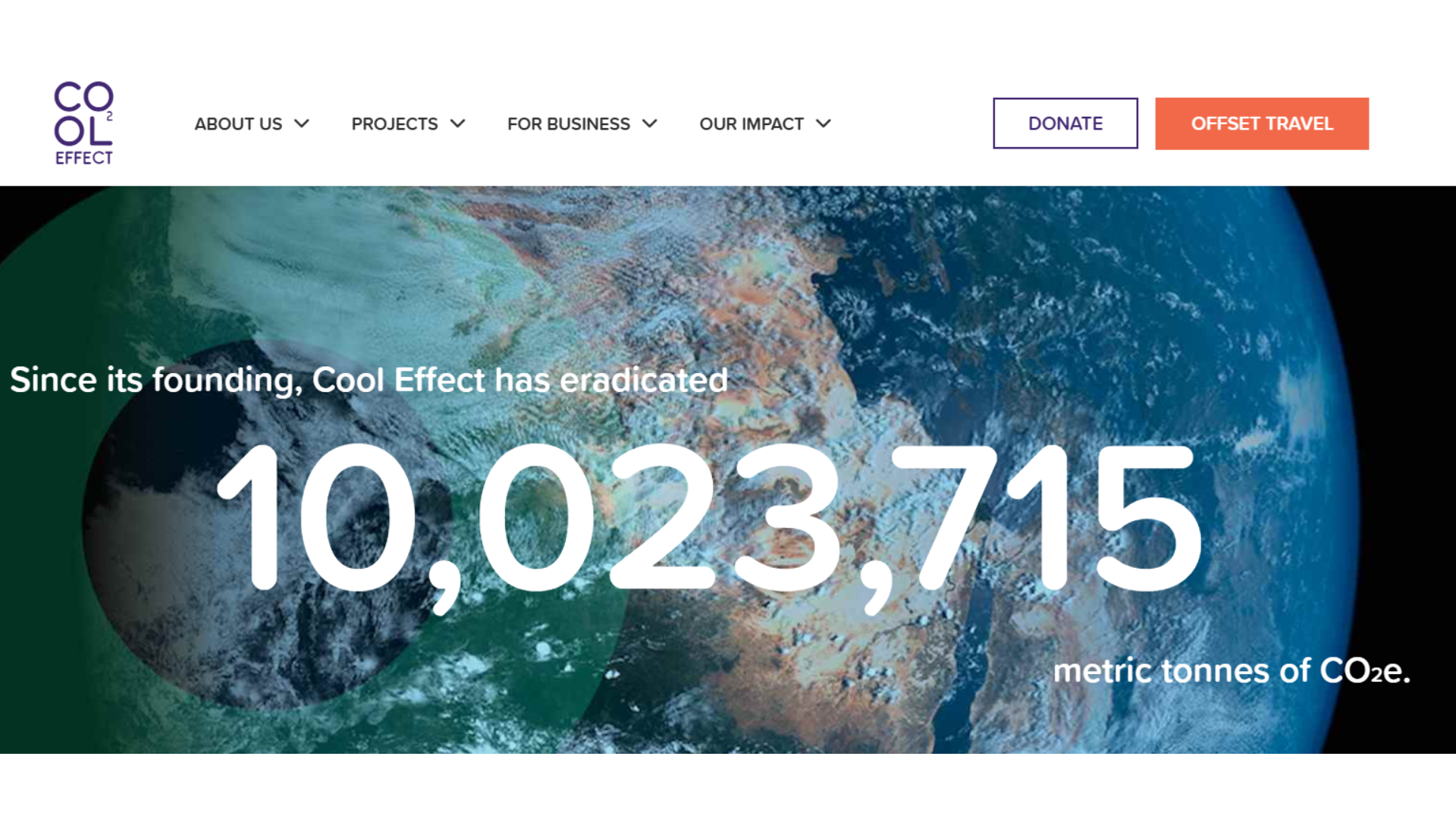
The energy sector is once again demonstrating its characteristic volatility. As of today, Brent crude trades at $90.38, marking a significant 9.07% decline within the day, with its range spanning $86.08 to $98.97. WTI crude mirrors this trend, standing at $82.59, down 9.41%. This immediate market reaction follows a broader pattern, with Brent having shed $20.91, or 18.5%, over the past 14 days alone, falling from $112.78 on March 30th to $91.87 yesterday. While traditional oil and gas dynamics continue to command investor attention, evidenced by persistent inquiries into the future price of oil per barrel and OPEC+ production quotas, a parallel market is quietly but critically evolving: the voluntary carbon market (VCM). A recent initiative by Bay Area non-profit Cool Effect, launching a $1 million Catalyst award, underscores a growing imperative to professionalize and scale high-quality carbon projects, presenting a nascent yet strategic area for forward-thinking energy investors seeking diversification and long-term value in the decarbonization landscape.
Navigating Volatility: The VCM as a Strategic Counterpoint
The stark price movements in crude oil, with Brent crude plummeting nearly 10% in a single day and gasoline following suit with a 5.18% drop to $2.93, highlight the inherent risks and rapid shifts within conventional energy markets. This volatility, driven by a complex interplay of geopolitical factors, supply-demand dynamics, and global economic sentiment, directly impacts the performance of major oil and gas players, a concern echoed by investors asking about company performance like Repsol’s outlook for April 2026. Against this backdrop, the voluntary carbon market, despite its own challenges, presents an intriguing, albeit distinct, investment thesis. Cool Effect’s $1 million Catalyst award signifies a crucial step towards addressing the VCM’s credibility deficit and accelerating project development. For energy investors, this nascent market offers a potential hedge against traditional asset volatility, a pathway for ESG integration, and a means to capitalize on the accelerating demand for verifiable decarbonization solutions. As traditional energy investments navigate turbulent waters, the VCM’s efforts towards rigor and scale could unlock new value streams.
Catalyzing Credibility: Overcoming the VCM’s Financial Bottleneck
The primary barrier to scaling high-quality carbon reduction and removal projects has consistently been a lack of early-stage financing. This “financial bottleneck” prevents innovative, scientifically sound initiatives from moving past the conceptual or pilot phase. Cool Effect’s Catalyst award directly tackles this by providing critical seed capital, specifically targeting projects verified under Core Carbon Principles (CCP)-approved standards. This focus on rigorous, multi-stage due diligence and scientific validation through their “Carbon Done Correctly” framework is paramount. Investors have long expressed skepticism regarding the integrity and additionality of carbon credits, hindering broader institutional adoption. By prioritizing projects that meet these stringent criteria – encompassing both nature-based and technology-driven solutions with methodologies published or updated since January 2022 – the Catalyst program aims to build trust and demonstrate the tangible, measurable climate outcomes essential for attracting larger capital flows. This strategic injection of funding, disbursed in exchange for future credits, establishes a performance-based mechanism that aligns project developers with the need for verifiable results, addressing a core concern for any investor considering the asset class.
Forward Outlook: Connecting Carbon Projects to Future Energy Shifts
While the immediate focus for many energy investors remains squarely on traditional oil and gas market signals, particularly with critical events like the OPEC+ Joint Ministerial Monitoring Committee (JMMC) meeting scheduled for tomorrow, April 18th, and the Full Ministerial meeting on April 19th, the long-term energy transition narrative cannot be ignored. These OPEC+ discussions will undoubtedly shape near-term crude supply and price expectations, but the trajectory towards decarbonization continues. The development of robust, credible carbon projects, facilitated by initiatives like the Cool Effect Catalyst, has significant implications for this future. As regulatory pressures mount and corporate net-zero targets become more concrete, the demand for high-quality carbon offsets and removals will only intensify. Future investment in carbon capture, utilization, and storage (CCUS) or direct air capture (DAC) technologies by major oil and gas firms could directly benefit from the innovation spurred by these early-stage projects. Furthermore, the weekly API and EIA petroleum status reports (due on April 21st and 22nd, respectively, and again on April 28th and 29th) provide snapshots of current demand for traditional fuels. Should these reports indicate persistent or growing demand, it underscores the dual challenge of meeting energy needs while simultaneously pursuing decarbonization – a challenge where a credible VCM becomes an indispensable tool, potentially influencing future carbon pricing mechanisms and operational costs for energy incumbents.
Investor Intent: Balancing Core Assets with Emerging Opportunities
Our proprietary reader intent data reveals a keen interest in the fundamentals of traditional oil and gas investing, with frequent queries about future oil prices and OPEC+ production quotas dominating investor consciousness. This reflects a natural and necessary focus on the core drivers of our sector. However, astute investors also recognize the imperative to look beyond immediate market fluctuations and consider the evolving energy landscape. The Cool Effect Catalyst program, by injecting capital into early-stage, high-quality carbon projects, is not merely a philanthropic endeavor; it is a market-building initiative. It signals a maturation of the voluntary carbon market, addressing the very issues of transparency, verification, and scalability that have historically deterred institutional capital. For oil and gas investors, this signifies more than just an ESG checkbox; it represents an emerging asset class with the potential for both financial returns and strategic alignment with global decarbonization goals. Monitoring the progress of these catalyzed projects and the broader VCM will be crucial for understanding how future corporate strategies, particularly among major energy players, will integrate carbon management and potentially shift capital allocation towards verifiable climate solutions.


