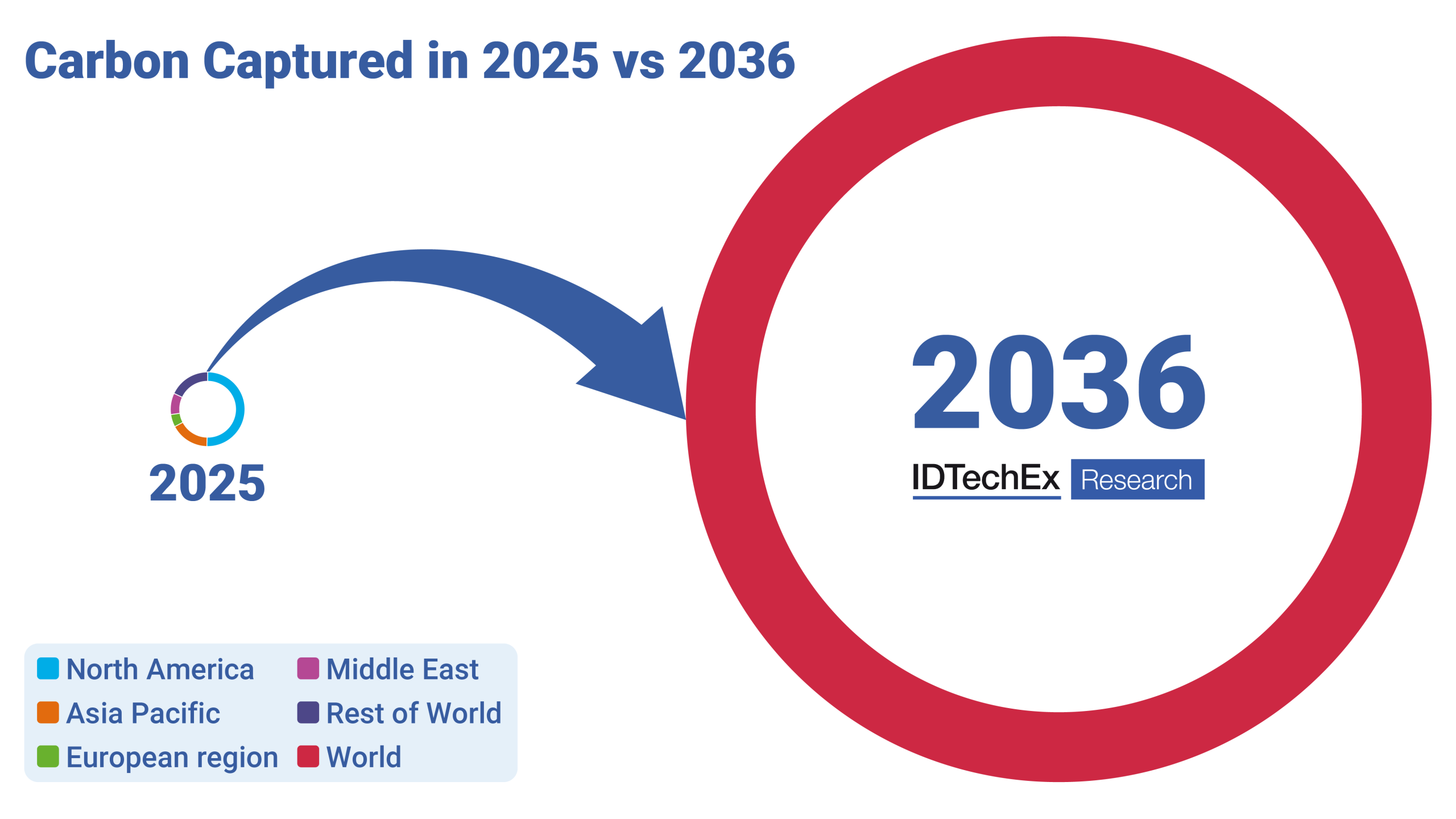
The global energy landscape is undergoing a profound transformation, driven by an imperative for decarbonization that governments are increasingly codifying into policy. For sophisticated investors navigating the complexities of oil and gas markets, Carbon Capture, Utilization, and Storage (CCUS) represents a burgeoning sector ripe with opportunities. This isn’t merely a green initiative; it’s a strategic pivot for industrial economies aiming to maintain competitive strength while meeting climate targets. Our proprietary data and market insights confirm that robust government support, coupled with significant private sector engagement, is accelerating the CCUS industry’s growth, creating a compelling long-term value proposition that extends well beyond traditional energy plays.
Government Policy: The Unseen Hand Driving CCUS Investment
The bedrock of CCUS sector expansion lies firmly in government policy, which continues to foster a favorable investment environment through a mix of carbon pricing, tax credits, and direct subsidies. This strategic approach aims to achieve decarbonization without triggering deindustrialization, a critical balance for major economies. Key policy instruments, such as the expanded US 45Q tax credit, now offer enhanced incentives for CO2 utilization, while the UK government has committed a substantial £20 billion to develop industrial CCUS clusters. These aren’t isolated initiatives; as of 2025, nearly 30% of global CO2 emissions are covered by some form of carbon pricing mechanism, a figure set to grow with the European Union’s Carbon Border Adjustment Mechanism (CBAM) commencing in 2026. This growing web of compliance carbon markets creates a clear economic incentive for industrial emitters to invest in CCUS, turning a regulatory burden into a potential competitive advantage for early movers.
Oil & Gas Majors: Pivoting Capital in a Volatile Market
While the long-term promise of CCUS is clear, oil and gas companies are making strategic capital allocation decisions in a dynamic market environment. As of today, Brent Crude trades at $90.38, reflecting a significant 9.07% drop within the day, while WTI Crude stands at $82.59, down 9.41%. This volatility is consistent with the broader 14-day trend, where Brent has fallen from $112.78 on March 30th to $91.87 just yesterday. Such price fluctuations naturally influence short-term investment decisions for traditional upstream projects. However, this very volatility often underscores the strategic imperative for diversification. Many oil and gas majors are proactively pivoting, leveraging their expertise in large-scale project management and subsurface geology to provide critical CO2 transportation and storage services. Projects like Northern Lights T&S and Stratos DAC are prime examples of this pivot, demonstrating the industry’s capacity to bring first-of-a-kind, large-scale CCUS infrastructure online. Despite immediate market headwinds in crude prices, the strategic investment in CCUS offers these companies a crucial pathway for future-proofing their portfolios, aligning with evolving ESG mandates, and capturing new revenue streams in the burgeoning carbon economy.
Addressing Investor Concerns and Future Catalysts in CCUS
Our proprietary reader intent data reveals a keen interest from investors regarding future market dynamics, particularly in predicting oil prices by the end of 2026 and understanding the performance of key players like Repsol. While the immediate focus might be on crude, savvy investors are increasingly extending this forward-looking perspective to the CCUS sector itself. The growth trajectory of CCUS will be significantly shaped by upcoming developments and strategic investments. A major catalyst will be the continued development of new, partial chain CCUS hubs, clusters, and networks. By providing shared CO2 transportation and storage infrastructure, these models promise to deliver crucial economies of scale, effectively de-bottlenecking project development and streamlining the CCUS pipeline. Looking ahead, while upcoming events like the OPEC+ JMMC and full Ministerial meetings (April 18-19) or the EIA Weekly Petroleum Status Reports (April 22, April 29) primarily impact crude markets, their outcomes will indirectly influence the capital available and strategic priorities of major energy players for their CCUS ventures. A stabilized or stronger crude price environment could free up more capital for diversification into CCUS, while sustained volatility might accelerate the shift towards these long-term, decarbonization-focused assets as a hedging strategy against traditional commodity cycles. Investors should monitor these macro-energy signals as indicators of the broader financial health that underpins CCUS investment capacity.
Technological Frontiers and Long-Term Value Creation
The long-term value proposition of CCUS is deeply intertwined with ongoing technological advancements that promise to reduce costs and enhance efficiency. While amine solvents for point-source carbon capture are mature, with major players like Mitsubishi Heavy Industries, Shell, and SLB Capturi leading the charge, innovation continues to drive down capture costs. This includes breakthroughs in demixing and water-lean solvents, alongside improvements in mass transfer within absorber/stripper columns. Beyond these established methods, a vibrant ecosystem of emerging start-ups is exploring a diverse range of novel capture technologies, from molten borate salts to other advanced materials, each aiming to unlock more cost-effective and scalable solutions. Furthermore, the demand side for captured carbon is expanding beyond traditional industrial utilization. Data center hyperscalers, for example, are increasingly creating markets for carbon credits derived from direct air capture (DAC) and biogenic CCUS (BECCS), indicating a growing premium on verifiable carbon removal. This dual-pronged progress – technological innovation reducing supply costs and diversified demand enhancing revenue streams – underpins the significant growth forecasted for the CCUS industry through 2036. Investors with a long-term horizon will find compelling opportunities in companies driving these innovations and building out the essential infrastructure for a decarbonized future.