A substantial draw in U.S. crude oil inventories, significantly exceeding analyst forecasts, might typically signal a bullish shift in market sentiment. However, the current trading session tells a more complex story for energy investors, highlighting a disconnect between fundamental inventory data and broader market anxieties. While the latest figures suggest a reduction in immediate oversupply concerns, the prevailing macroeconomic winds and upcoming geopolitical considerations are prompting a re-evaluation of risk across the energy sector.
U.S. Inventories Signal Tightening, But Broader Picture Persists
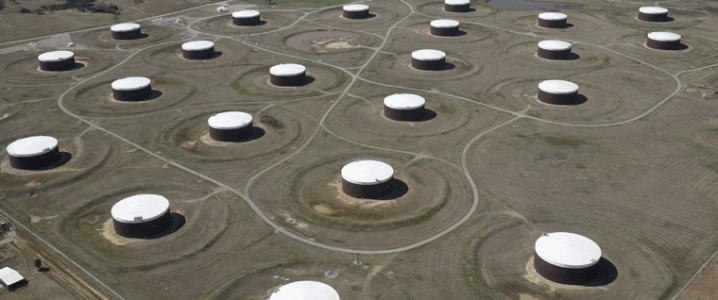
The latest data from the American Petroleum Institute (API) revealed a robust decrease in U.S. crude oil stockpiles, with inventories falling by 3.420 million barrels for the week ending September 12. This figure dramatically surpassed the analyst consensus, which had projected a draw of only 1.6 million barrels, indicating a stronger-than-anticipated demand or reduced supply entering storage. Despite this significant weekly reduction, it is crucial for investors to maintain perspective on the year-to-date trend. Our calculations indicate that U.S. crude inventories have still accumulated nearly 5.3 million barrels since the start of the year, suggesting that while this week’s draw is notable, the market has been grappling with a general build-up over several months. Concurrently, the Department of Energy reported a strategic move, increasing crude oil inventories in the Strategic Petroleum Reserve (SPR) by 500,000 barrels, bringing the total to 405.7 million barrels in the same week.
Beyond crude, the refined products picture shows mixed signals. Gasoline inventories registered a draw of 691,000 barrels, reversing the prior week’s build of 329,000 barrels and aligning with the five-year average for this period. In contrast, distillate inventories, which include diesel and heating oil, saw a substantial rise for the second consecutive week, adding 1.906 million barrels. This follows a 1.5 million barrel increase in the preceding week. Despite these recent builds, distillate stockpiles remain notably tight, standing 9% below their five-year average as of September 5, a factor that could impact pricing for these crucial products in the coming colder months.
Market Snapshot: A Bearish Turn Amidst Inventory Draws
Despite the seemingly positive inventory news, the immediate market reaction has been decidedly bearish. As of today, April 18, Brent crude is trading at $90.38 per barrel, marking a sharp 9.07% decline for the day. Similarly, West Texas Intermediate (WTI) crude has followed suit, trading at $82.59 per barrel, down 9.41% on the day. This immediate downward pressure on prices, occurring on a day when inventory data suggested tightening, highlights that broader macroeconomic concerns and supply-side anxieties are dominating trading desks.
This daily volatility is not an isolated event. Our proprietary data tracking Brent crude trends reveals a significant shift over the past two weeks. Brent has tumbled over $20 per barrel, representing an 18.5% drop, from a high of $112.78 on March 30 to $91.87 just yesterday. This sustained downward momentum underscores a significant reassessment of global demand prospects and the stability of supply. Gasoline prices are also feeling the pinch, currently trading at $2.93 per gallon, down 5.18% for the day. Investors must consider this broader context where geopolitical tensions and global economic outlooks are exerting immense pressure, often overshadowing even strong fundamental data points like inventory draws.
Forward Outlook: Key Events Shaping the Supply Narrative
The coming days are packed with critical events that will undoubtedly shape the near-term trajectory of oil prices, especially concerning the global supply picture. Investors are keenly watching the upcoming OPEC+ Joint Ministerial Monitoring Committee (JMMC) meeting scheduled for April 18, immediately followed by the Full Ministerial meeting on April 19. These gatherings are pivotal, as the alliance will assess current market conditions, recent price volatility, and global demand forecasts. Decisions made regarding production quotas will have a direct and immediate impact on the global supply balance, influencing whether the market leans towards tightening or faces renewed oversupply concerns. Any indication of a shift in current output levels could trigger significant price movements.
Beyond OPEC+, the market will continue to scrutinize weekly inventory reports for ongoing insights into supply and demand dynamics. The next API Weekly Crude Inventory report is due on April 21, followed by the comprehensive EIA Weekly Petroleum Status Report on April 22. These will be crucial for confirming whether the recent substantial draw was an anomaly or the beginning of a sustained trend. Further API and EIA reports on April 28 and April 29, respectively, will provide continuous updates. Additionally, the Baker Hughes Rig Count on April 24 and May 1 will offer valuable intelligence on U.S. drilling activity and future production potential, which remains a key variable for global supply.
Addressing Investor Concerns: Navigating Price Volatility and Future Outlook
Our investor signals indicate a strong focus on understanding the trajectory of oil prices and the factors influencing future market stability. Many are asking about the efficacy of OPEC+ policies and what to predict for oil prices by the end of 2026. While an exact price point for crude by the end of 2026 is inherently challenging to forecast given the multitude of variables, a comprehensive analysis requires investors to focus on the interplay of key drivers.
The recent API draw, while positive for market balance, must be weighed against the significant price declines observed today and over the past two weeks. This suggests that the market is prioritizing potential demand destruction from a slowing global economy or reacting to geopolitical developments that could impact demand or supply flows. OPEC+ decisions in the coming days are paramount; their stance on current production quotas, which are critical for balancing the market, will set the tone for the coming months. Should they opt to maintain or even reduce output, it could provide a floor for prices. Conversely, any increase in supply could exacerbate downward pressure, particularly if global demand growth falters.
Investors should continue to monitor geopolitical stability, the pace of global economic recovery, and the commitment of major producers to supply management. These elements, combined with weekly inventory data and drilling activity, will collectively shape the oil price outlook through the end of 2026. Diversifying portfolios and maintaining agility in response to new data and geopolitical shifts will be crucial for navigating this volatile environment.


