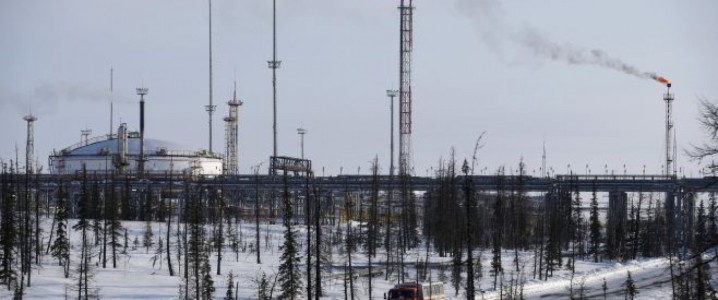
The global oil market is facing a renewed surge in geopolitical risk, with intensified Ukrainian drone attacks on Russian energy infrastructure now posing a tangible threat to the nation’s crude oil output and export capacity. This escalation moves beyond mere refinery disruptions, striking at critical port facilities and pipeline networks, compelling Russia’s state-owned pipeline operator, Transneft, to signal potential reductions in volumes it can accept from producers. For investors, this development introduces a significant new variable into the supply-demand equation, potentially offsetting other market dynamics and demanding close attention to both on-the-ground developments and international policy responses.
Escalating Drone Attacks Impair Russia’s Critical Export Infrastructure
Recent weeks have witnessed a strategic shift in drone attacks, moving beyond just refining capabilities to target the very arteries of Russia’s oil export system. Industry sources indicate that Transneft, the entity responsible for transporting over 80% of all Russian crude, has begun warning producers about forthcoming restrictions on volumes accepted into its system. This is a direct consequence of sustained damage to key infrastructure. Early this month, the Ryazan refinery, a substantial facility operated by Rosneft with a capacity exceeding 260,000 barrels per day (bpd) – representing 5% of Russia’s total refining capacity – was targeted. More critically for export volumes, the Ust-Luga port, a vital fuel loading and gas processing complex on the Baltic Sea, has sustained damage, with repairs for its most severely hit units potentially extending up to six months. Most recently, the Primorsk port, a crucial oil export hub with a capacity to handle 1 million barrels of crude daily, suffered its first direct strike since early 2022. This attack damaged two Aframax tankers, the Kusto and the Cai Yun, along with onshore pumping equipment, highlighting the direct impact on Russia’s ability to move crude to international markets. Such widespread and severe damage points to an impending constraint on Russia’s ability to maintain its current export levels, irrespective of production capabilities.
Market Dynamics and Investor Sentiment Amidst Supply Uncertainty
The implications of these escalating disruptions are beginning to ripple through global crude markets, though current pricing reflects a complex interplay of factors. As of today, Brent crude is trading at $98.38, marking a 1.02% decline for the day, with a range between $97.92 and $98.67. Similarly, WTI crude has seen a 1.23% decrease, settling at $90.05 within a daily range of $89.57 to $90.26. Gasoline prices also reflect a slight dip, trading at $3.08, down 0.32%. This immediate bearish sentiment, however, stands in contrast to the significant risk introduced by potential Russian supply cuts. Looking at the broader trend, Brent crude has experienced a notable decline over the past two weeks, dropping from $112.57 on March 27th to $98.57 on April 16th – a substantial $14 or 12.4% decrease. This downward trajectory was likely influenced by broader macroeconomic concerns or inventory builds. However, the emerging threats to Russian export infrastructure introduce a significant bullish counter-narrative, suggesting that this downward pressure on prices could soon face strong upward resistance as the market begins to price in a tighter supply outlook. Investors are now keenly watching for any definitive signs of Russian output reductions that could quickly shift market sentiment.
Investor Focus on Supply Stability and OPEC+ Strategy
A key theme emerging from investor inquiries this week centers on the stability of global oil supply and the strategic responses of major producers. We’ve noted a significant uptick in questions regarding “What are OPEC+ current production quotas?” and “What is the current Brent crude price?” These questions underscore a prevailing concern about supply-side fundamentals and the mechanisms governing market prices. The current situation in Russia directly impacts these concerns. Any forced reduction in Russian oil output or export capacity due to infrastructure damage will naturally tighten global supply, putting pressure on other producers, particularly OPEC+, to potentially adjust their strategies. For investors, understanding current OPEC+ quotas is crucial because any unallocated spare capacity within the alliance could theoretically mitigate Russian shortfalls, though political will and production capabilities vary widely among members. The drone attacks, by directly jeopardizing a significant portion of global crude supply, introduce a new layer of complexity for OPEC+ as it navigates its output policy, making their upcoming decisions even more pivotal for market stability.
Forward Outlook: The Looming OPEC+ Decisions and Supply Shocks
The coming days are critical for the oil market, with a series of high-stakes events on the calendar that will directly interact with the escalating risks to Russian oil output. The OPEC+ Joint Ministerial Monitoring Committee (JMMC) meeting on April 18th, followed by the full OPEC+ Ministerial Meeting on April 20th, will be under intense scrutiny. These meetings were already set to review current production policies, but the developing situation in Russia adds an urgent and unpredictable dimension. With the threat of constrained Russian crude exports – potentially up to 1 million bpd from the Primorsk port alone, not to mention wider refinery and pipeline impacts – OPEC+ will have to weigh whether to maintain its existing production cuts or consider adjustments. Any decision to extend or deepen cuts in the face of potential Russian supply disruptions could send a strong bullish signal, while a move to increase supply might be seen as an effort to stabilize markets, depending on the perceived severity of Russia’s output challenges. Beyond OPEC+, the weekly API and EIA crude inventory reports, scheduled for April 21st/22nd and April 28th/29th respectively, will provide critical insights into immediate supply-demand balances in key consuming nations, offering further cues on market direction as investors digest the implications of a potentially tighter Russian supply picture. The confluence of these events, against the backdrop of an increasingly vulnerable Russian energy sector, guarantees heightened volatility and a need for agile investment strategies.


